As the weather starts to cool down after a warm summer, HomeandStyle.ie reached out to AI for some advice on keeping your home warm on a budget.
With temperatures set to drop and households across Ireland preparing for another winter of rising heating costs, keeping your home warm without breaking the bank is likely to be high on the priority list.
While major upgrades such as insulation, new windows and heating systems can make a significant difference, they also come with hefty price tags that aren't always an option for homeowners.
However, there are plenty of smaller, more affordable ways to make your home feel warmer and more comfortable over the colder months. From tackling draughts and making better use of your radiators to choosing the right curtains and keeping heat where you need it most, a few simple changes can go a long way.
We asked AI for its advice on the best ways to keep a house warm this winter without spending a fortune on expensive insulation or home improvements. The suggestions focus on practical, budget-friendly measures that homeowners and renters can put in place without taking on a major renovation project.
Here’s what AI has come up with:
"You can make a surprisingly big difference to how warm your house feels in winter without spending thousands on insulation, new windows or a new heating system.
"The trick is to keep the heat you already have inside, stop cold air getting in, and heat the rooms you're actually using.
"For a typical Dublin home, I'd concentrate on the following measures, starting with the cheapest and most effective."
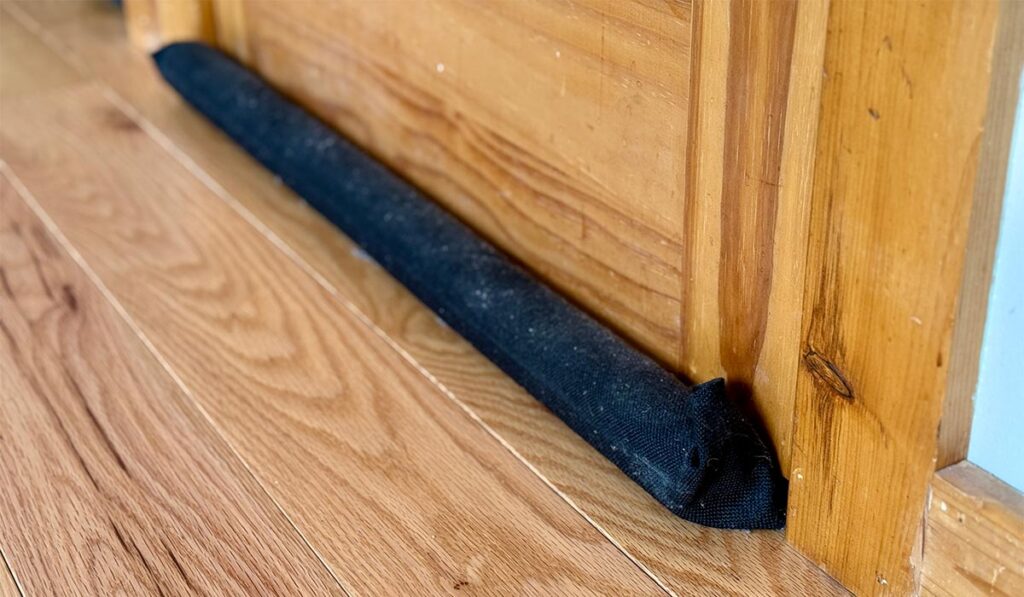
1. Stop draughts coming into the house
"This is probably the best place to start because it can cost very little.
- External doors: Fit draught excluder strips around the frames.
- Front and back doors: Use a draught stopper along the bottom.
- Windows: Apply self-adhesive weather-sealing strips where you can feel cold air coming through.
- Letterboxes: Fit a brush or letterbox draught excluder.
- Keyholes: Consider inexpensive keyhole covers.
"You can pick up most of these items in hardware shops for a few euro each.
"One particularly important point: don't block permanent ventilation vents, particularly in rooms with gas appliances or open fires."
2. Use thermal curtains properly
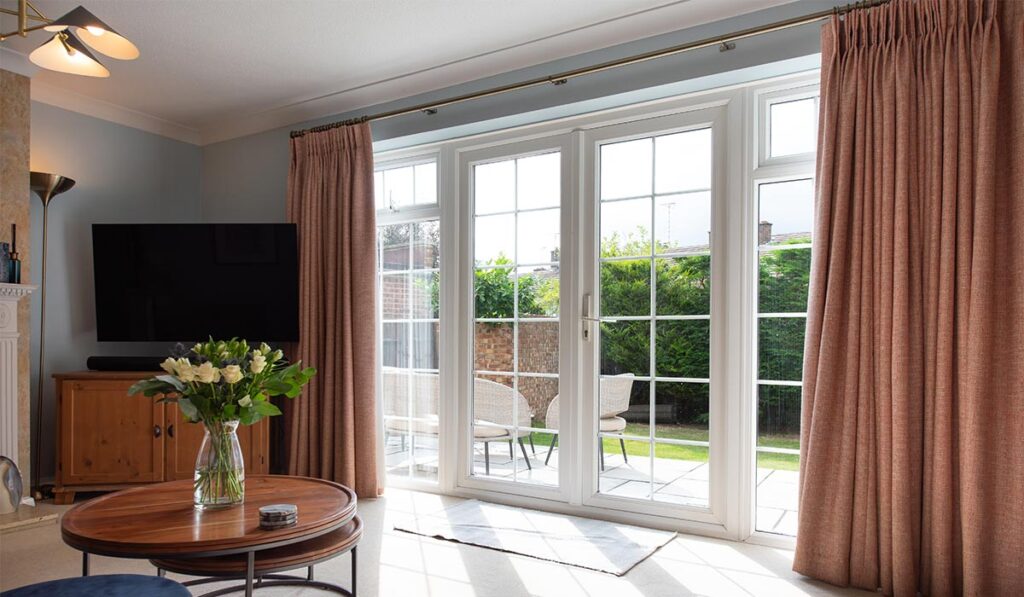
"Windows can make a room feel cold even when they're not particularly draughty.
"Thermal curtains are a relatively inexpensive way to reduce heat loss.
- Close curtains as soon as it gets dark.
- Open them during sunny days to let natural warmth in.
- Make sure curtains reach close to the floor.
- Avoid covering radiators completely, as this can trap heat behind the curtains.
"You don't necessarily need to buy expensive thermal curtains. Adding thermal curtain lining to existing curtains can be a cheaper alternative."
3. Make your radiators work harder
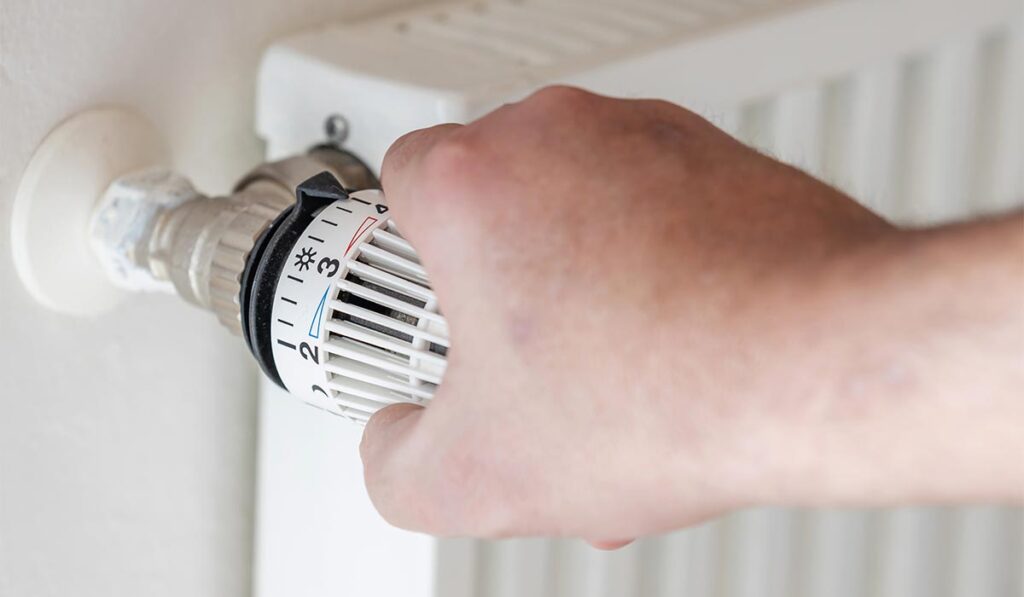
"A few simple radiator improvements can make a noticeable difference.
- Bleed radiators: If they're cold at the top and warm at the bottom, they may need bleeding.
- Remove obstructions: Keep sofas, furniture and heavy curtains away from radiators.
- Clean them: Dust can accumulate between radiator panels.
- Install radiator reflector foil: This is particularly useful for radiators attached to external walls, reflecting heat back into the room.
"Radiator reflector foil is inexpensive and can be particularly worthwhile in older houses with solid or poorly insulated external walls."

4. Put rugs on cold floors
"If you have wooden, laminate or tiled floors, they can make a room feel significantly colder.
- Put thick rugs in living rooms and bedrooms.
- Use runners in hallways.
- Consider a rug or carpet offcut beside the bed.
- Put a draught-excluding mat near external doors.
"You don't need to spend a fortune. Even second-hand rugs can make a difference."
5. Heat rooms strategically
"One of the biggest mistakes people make is trying to heat the entire house to the same temperature.
"Instead:
- Keep the living room comfortable when you're using it.
- Turn down radiators in unused bedrooms.
- Keep bedroom doors closed to retain warmth.
- Avoid heating spare rooms unnecessarily.
- Use your heating timer rather than leaving the system running all day.
"A temperature of around 18–21°C is generally comfortable for occupied living spaces, while bedrooms can often be cooler.
"Don't let rooms become excessively cold or damp, however. This is particularly important in older Irish homes."
6. Check your boiler settings
"This is an often-overlooked way to reduce heating costs.
"If you have a modern condensing gas boiler, lowering the radiator flow temperature can improve efficiency.
- Check whether your boiler's heating flow temperature can be reduced.
- Try around 55–60°C as a starting point, provided your radiators can still heat the house adequately.
- Use a programmable thermostat to heat the house around your routine.
- Avoid constantly turning the thermostat up and down.
"If you have a hot water cylinder, make sure it has an insulating jacket. These are relatively inexpensive and help prevent heat escaping.
"One caution: don't reduce the temperature of stored hot water below the recommended safe level. A hot water cylinder should generally store water at 60°C or above to help control Legionella bacteria.
7. Use your internal doors and windows intelligently
"A few behavioural changes can help retain heat.
- Close doors between heated and unheated rooms.
- Close curtains at night.
- Keep blinds down after dark.
- Open curtains on sunny winter mornings.
- Avoid leaving external doors open unnecessarily.
- Keep the loft hatch closed.
"If you have a chimney that isn't being used, an appropriate chimney draught excluder can also help. Never use one if the fireplace or appliance is still in operation."

8. Reduce damp and condensation
"This might seem unrelated to heating, but damp houses feel colder.
"Moisture in the air and on walls can make rooms feel uncomfortable, even when the thermostat says they're warm.
"A few inexpensive habits help:
- Open windows briefly after showering.
- Use extractor fans in bathrooms and kitchens.
- Avoid drying clothes on radiators.
- Keep some background ventilation.
- Wipe condensation from windows.
- Use a dehumidifier if you have a persistent damp problem.
"A dehumidifier does use electricity, so it isn't automatically a money-saving heating solution. But it can help tackle persistent excess moisture."

9. Consider a heated throw rather than heating the whole house
"This is one of the most cost-effective options if you're sitting watching television or working from home.
"An electric heated throw typically uses around 100–150 watts, compared with a 2,000-watt portable electric heater.
"For example, assuming electricity costs 35c per kWh:
| Appliance | Approx. hourly cost |
| 120W heated throw | 4.2c |
| 2,000W electric heater | 70c |
| 1,500W electric heater | 52.5c |
"These are illustrative figures, but the difference is substantial.
"A heated throw, electric blanket or heated foot warmer can allow you to turn the thermostat down slightly without feeling cold. Follow the manufacturer's safety instructions."
10. Don't overlook the attic hatch
"Even if you don't want to invest in attic insulation, check the hatch itself.
- Fit inexpensive draught-proofing strips around the frame.
- Make sure the hatch closes properly.
- Check that there are no obvious gaps around the opening.
"Warm air rises, so preventing draughts around the attic entrance is worthwhile.
"My top five recommendations if you're on a tight budget
"If I were trying to make a Dublin house warmer without spending more than €100–€150, this is where I'd put the money.
| Item | Estimated cost |
| Door and window draught strips | €15–€25 |
| Door draught excluders | €10–€15 |
| Radiator reflector foil | €10–€15 |
| Thermal curtain lining | €20–€35 |
| Thick rugs (budget/second-hand) | €20–€40 |
| Total | €75–€130 |
"Indicative prices rather than live shop quotations.
WOne extra thing: Check what grants you're entitled to
"Ireland's SEAI offers home energy grants, including support for certain insulation improvements and heating controls. Depending on your circumstances, you may qualify for support that makes improvements much more affordable."