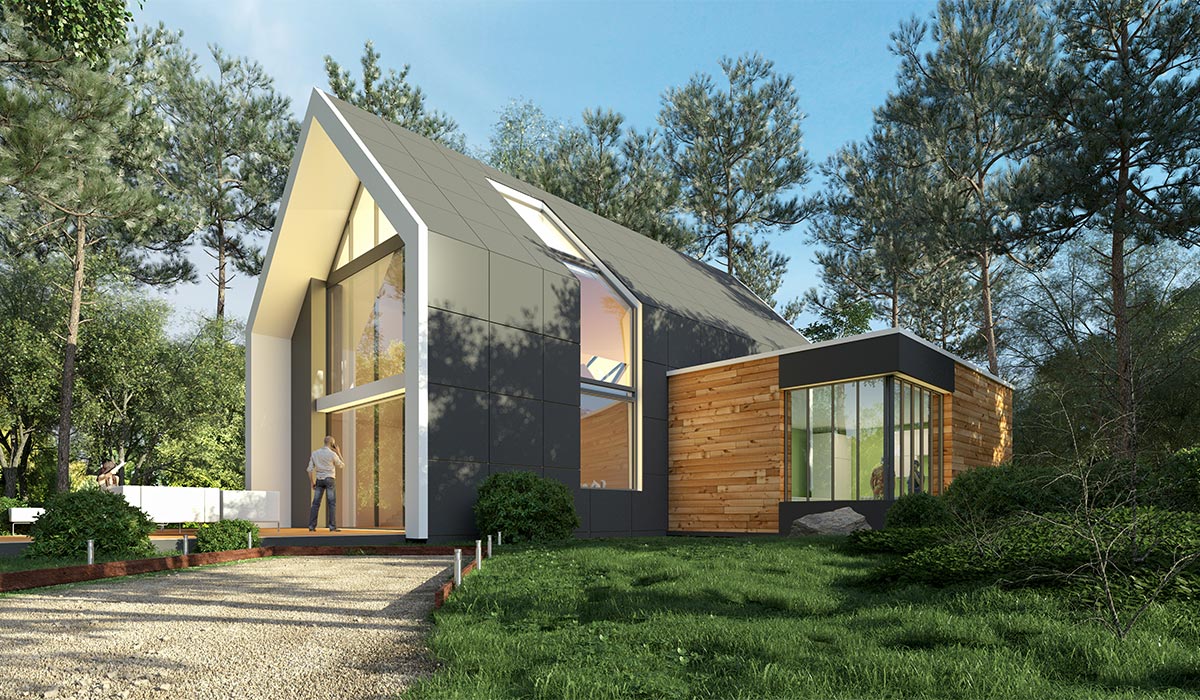
Building expert Jon Corless offers some concrete advice ahead of next month’s Selfbuild Extend & Renovate Connacht Show
They’ve built it, and they want you to come. If you’re thinking about creating a new home, adding an extension or taking on a renovation, you’ll find plenty of help and inspiration under one particular roof next month.
The Selfbuild Extend & Renovate Connacht Show comes to the impressive GAA Air Dome in Bekan Co Mayo on Saturday 3 and Sunday 4 October.
These shows have been running for a quarter of a century, and they now cover the ‘whole building journey’, from architect stage to the house being finished, according to John Corless, the show’s resident self-build expert and one of many, who will be on hand to offer advice on every aspect of self-building.
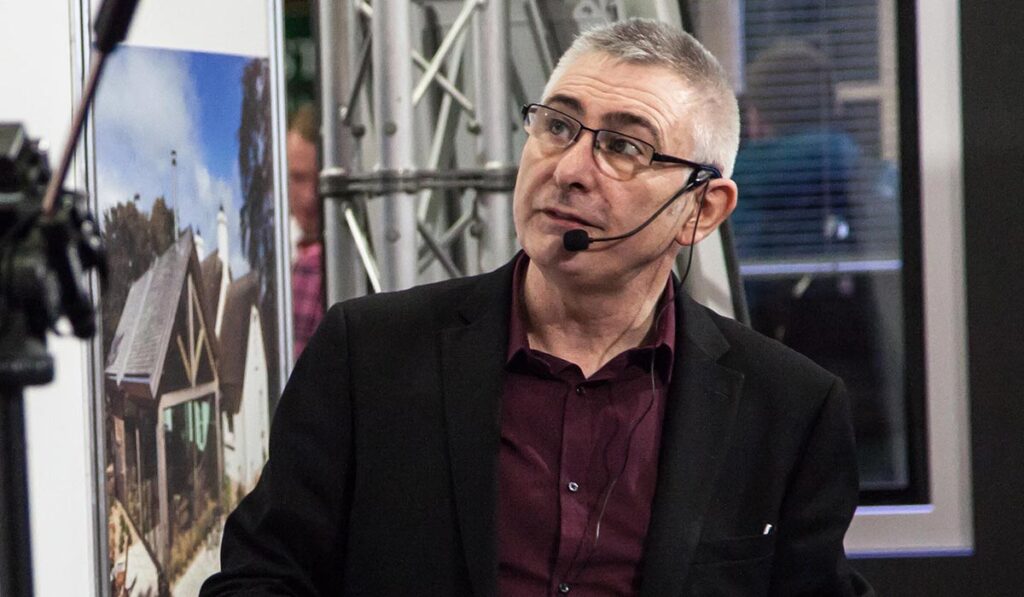
Corless will host the Bootcamp Theatre, a centrepiece of the show offering practical guidance on the big decisions homeowners face.
“There’ll be advice on planning permission, contracts, appointing a builder or getting subcontractors,” he says.
Visitors can compare construction methods, from traditional blockwork and timber frame to log homes and insulated concrete formwork.
What’s on display changes with the times, according to Corless.
“I remember years ago when geothermal heat pumps were all the rage and you couldn’t move around the show with the number of people selling them,” he says.
“At the moment, it’s all about getting your house an A-rating house, so it’s insulation, better windows, things like that.”
And as a taster of what to expect, Corless offers us a quick guide to three of the big mistakes made by first-time renovators, builders and extenders and how to avoid them.
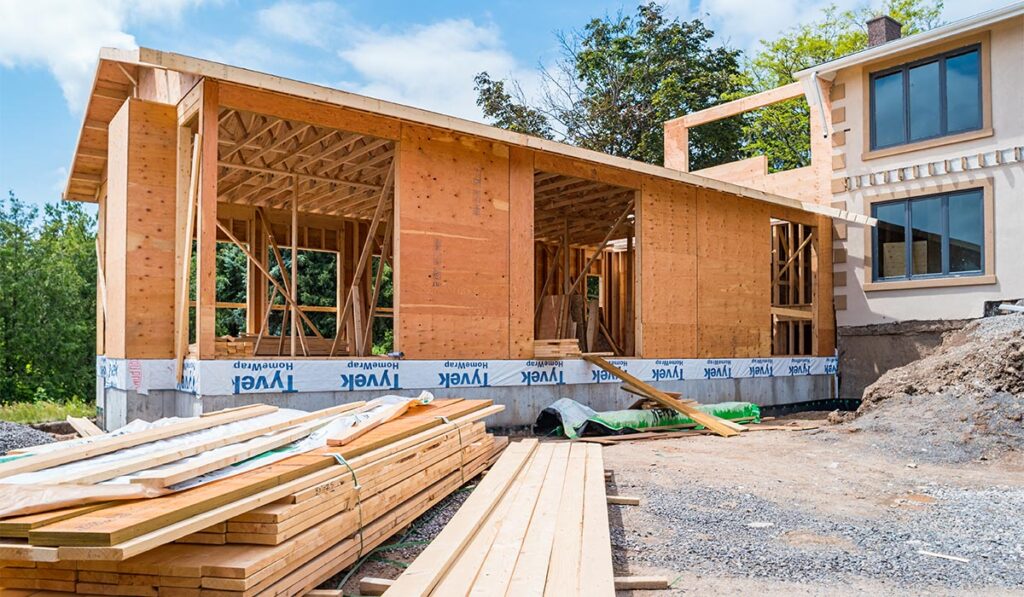
Mistake one: Size matters
“People are building houses too big,” he says. “It is an overreaction to living in apartments or sharing with mum and dad.
"If your house is too small, you don’t necessarily have to build three times as big. Maybe 1.5 times bigger is all you need.”
The extra floor space adds to more than the build cost, he says.
“You have the mortgage cost of all this extra square metres that you’re not really getting maximum use out of. On top of that, you have the maintenance, the heating, the insurance and the property tax.”
His advice is simple: “Build the house as big as you need it and no bigger, but make provision for extending later if you have to.”
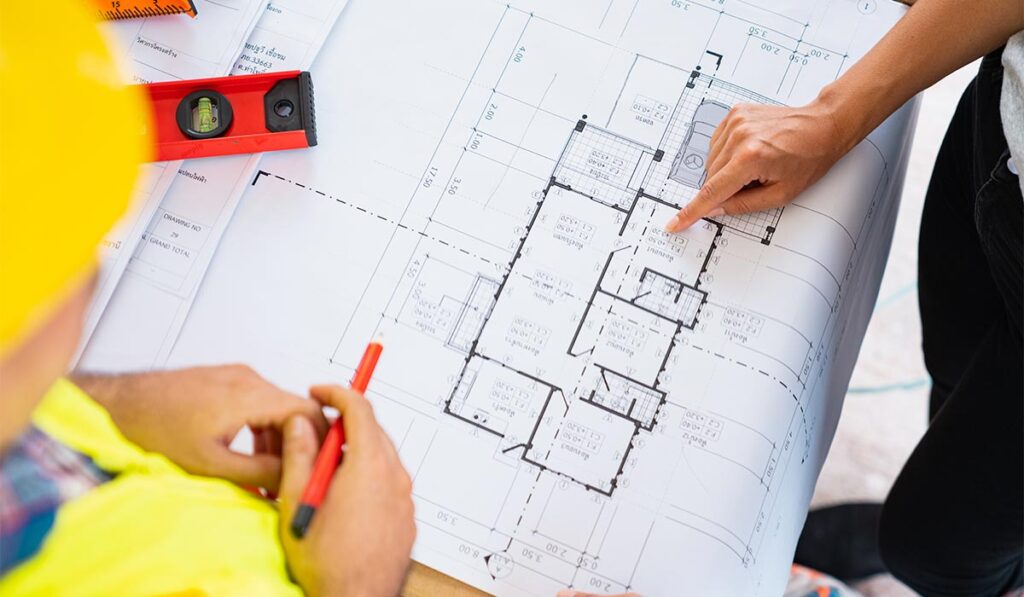
Mistake two: Not investing in design
John says too many people think an architect just draws “neat lines on a sheet of paper.”
He uses the analogy of surgery: “You wouldn’t hand a friend a knife and a needle and thread and skip the hospital."
He also warns against a familiar habit in rural Ireland of hiring “a fellow down the road who’s good at getting planning permission.”
Good relations with the county council, he says, are no reason to use someone who isn’t a good designer.
Timing matters too. The best moment to get a second opinion is after the first set of drawings and before you apply for planning.
“It’s not about right and wrong,” he says. “It is a matter of ‘will the house function way you want it to function’? The idea is that when you move in, it performs exactly as the architect knew it would, and there are no surprises.”

Mistake three: Vague specifications and late changes
Cost overruns may make for good drama on TV home improvement shows, but Corless says they shouldn’t happen.
“The main reason is that people didn’t give proper specifications to the builder in the first instance,” he says.
“And the second thing is that they make changes. The time to make changes is when we have the thing on the sheet of paper, not when the builder is starting to build it.”
If you have a proper set of drawings, clear specifications and a fixed price, “that should not vary.”
Without that detail, “it is really only a guide price.”
He also suggests having your own contract drawn up, because a standard builder’s contract tends to favour the builder.
How to do it right
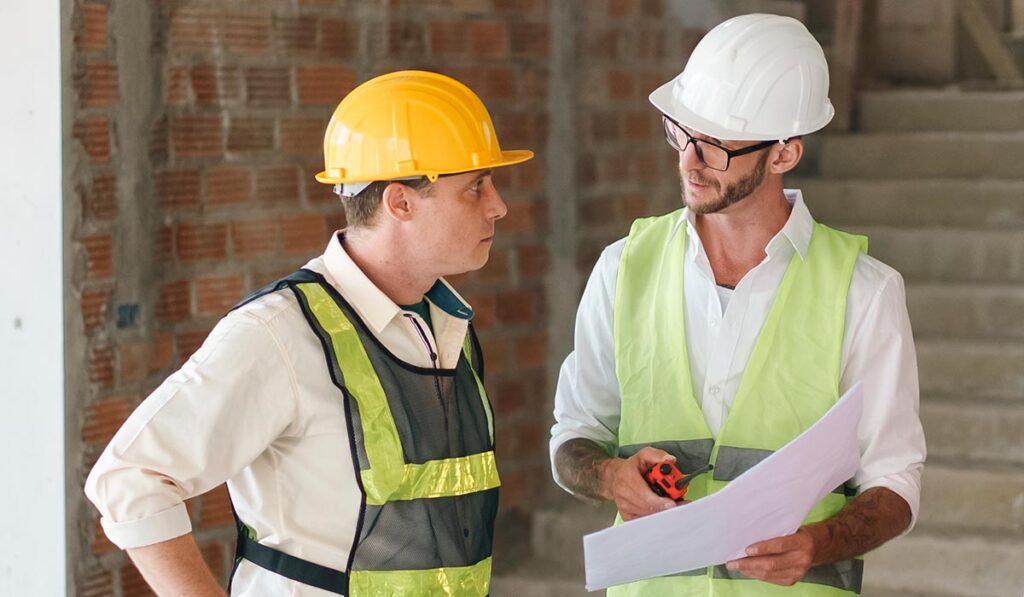
When you hire a builder, John suggests going through the drawings and specifications together and answering every question before asking for a price.
Then make the roles clear: “What I now want is a builder, not a designer. The house is designed now. Build the house.”
Agree stage payments in advance, and don’t make the builder chase you for them.
“I should have the money organised and go to him with it,” he says. “It keeps the relationship transparent and trustful.”
Finally, pay for supervision. Ireland doesn’t have the level of state inspections some other jurisdictions have, so Corless recommends having someone knowledgeable check the job regularly.
“When the house is costing €400,000 or €500,000, the amount you would pay for that is proportionately very small,” he says. “But it is worth it.”
See selfbuild.ie for further information and ticketing