
Renovators, forget kitchen counters and flooring options, says plain English-speaking eco warrior and Instagran author, Judith Leary Joyce. Her approach is to focus on the materials used, which is gaining traction with her 183k followers.
Before you consider decoration, you need to know the materials being used in your home renovation, says Judith Leary Joyce, who is of Irish extraction but grew up in the UK.
The 70-something Instagran is a Gestalt psychotherapist who started as a biology teacher and wants us to park the decoration mood boards and give how our homes will feel far more consideration.

Getting homeowners to understand how to renovate your home correctly for the type it is, the pre-décor phase- so that it functions properly- is her main mission.
“Many builders don’t know how to do that," she says.
"They aren’t automatically doing this. They’re producing 20th-century homes. We need something different now."
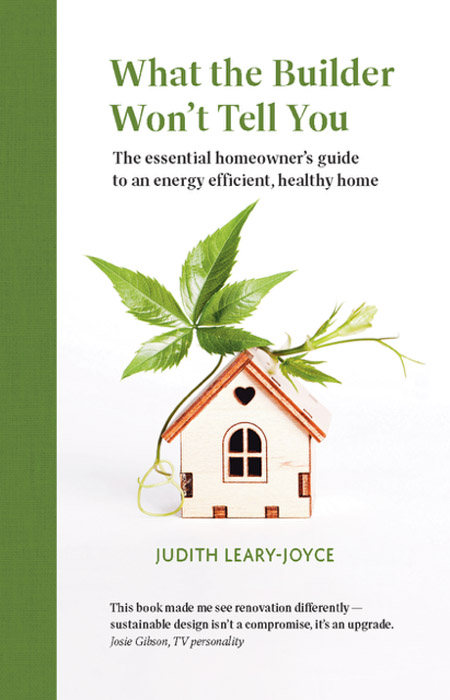
Having undertaken her own renovation, the eco-expert has authored two books on the subject: What the Builder Won’t Tell You and a Beginner’s Guide to Eco Renovation.
“Homeowners have got to get involved and understand what materials you need,” imparting her wisdom to her 183k followers on Instagram.
An evangelist on the subject of insulation, a subject most of us eschew in favour of the finishes that will help how the home looks.
An executive coach in leadership and management, she was 70 and “gently moving my way out of it” when she and her husband undertook the renovation of the home that they’d lived in for 47 years.

They’d raised two kids, three dogs, one cat, two rabbits, one guinea pig and a hamster in it and have since welcomed three grandkids and two “granddogs” to the family.
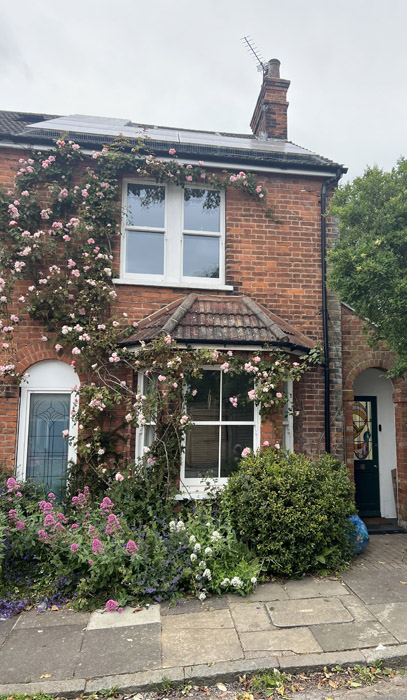
“We didn’t understand a lot of this when we were doing the work,” she says of their 1901 Victorian end terrace.
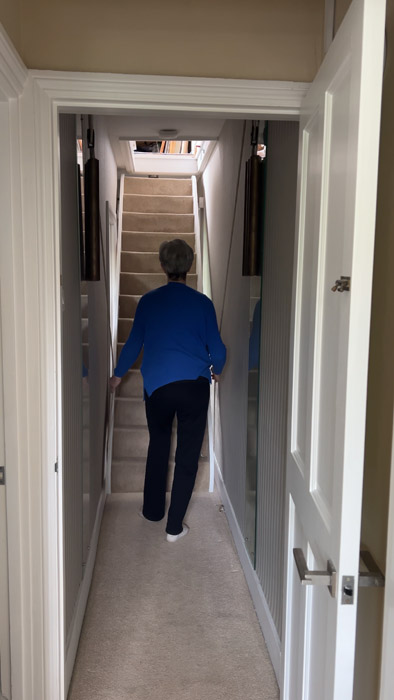
“We wanted our home to be a legacy, not a liability.” Old houses were built to be vapour-permeable, so you need to use vapor-permeable materials that have thermal mass, that is, materials that have the capacity to absorb, store, and release heat.
They used an eco-architect who had expertise in passive homes. “He was only meant to be building an extension,” she recalls, but the other aspects of the house also needed upgrading.
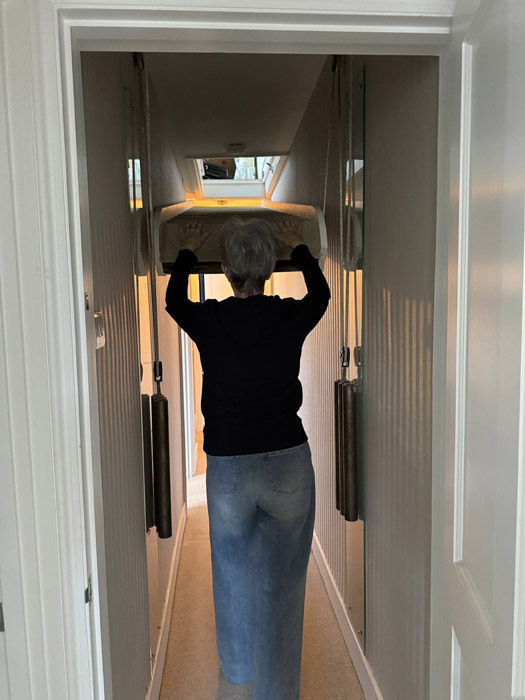
“I got on the laptop and started learning.”I’ve been concerned about the planet since the 1970s.” It remains top of her priority list. The question, how can I live in a congruent way, greening my life, drives all of her content.
Know how your renovation “ingredients” will perform
She runs Eco Renovation Home and says the fabric of the property needs to be robust enough so that the house stays cool in summer and is warm in winter.
“I chat to builders a lot about the materials we need for our increasingly hot summers, but I’m often the only one who knows about them. For example, clay plaster is marvellous for managing moisture. Any room with high levels of humidity would benefit from 12 mm of clay plaster. Wood fibre insulation will keep a home warm in winter, cool in summer and dry all year round. Hemp, cork, sisal, and dithionite are just some of the other options for effective insulation.”
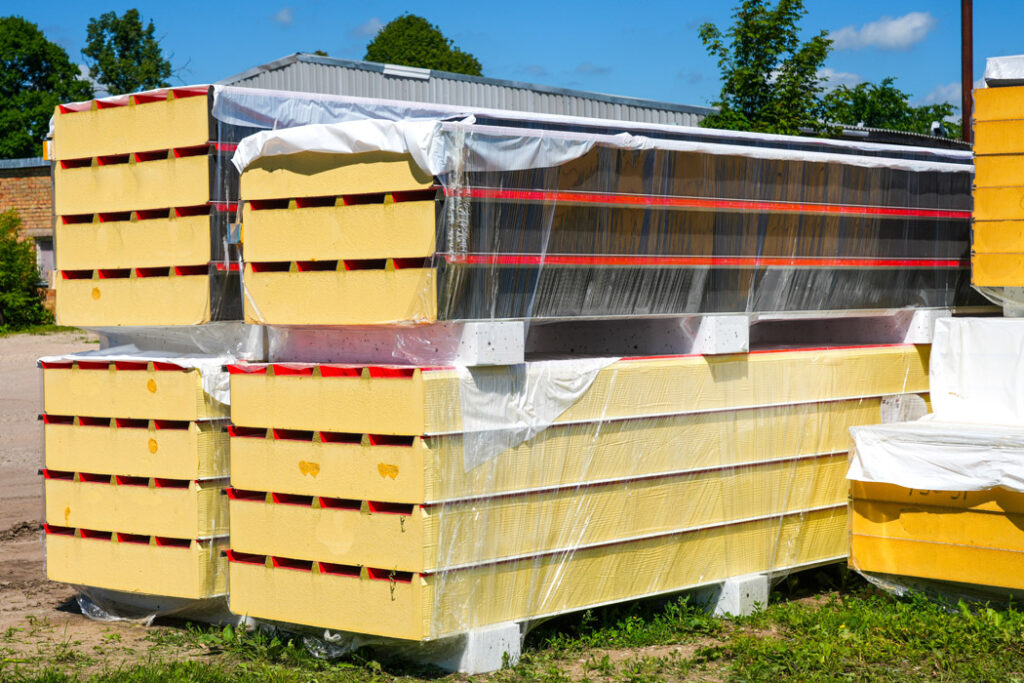
She says PIR, the synthetic polyisocyanurate insulation, made from plastic chemicals polyol and isocyanate, is a big part of the problem.
The rigid, closed-cell foam board is used as a high-performance thermal barrier in building construction. Used as default, it’ll keep the home warm in winter, and that’s why it’s been good enough so far. But it can’t keep the home cool in summer.”
She used sheep wool in her attic area, wood fibre on the extension wall, and under suspended floors.

Know what decrement delay measures
Decrement delay (DD) is the measure that shows how long it takes for the temperature outside to be replicated inside the house. Materials used in both new builds and renovations should have a long DD so the heat outside stays there.
“PIR has only a two-hour decrement delay, tops. Whilst wood fibre has up to 15 hours, hemp 15 hours, cork 13 hours. The material holds heat. It’s like a lung; it absorbs moisture and releases it. Sure, it’s more expensive right now – and will be until it’s used more – but it cuts out the need for air con with its installation and running costs.”
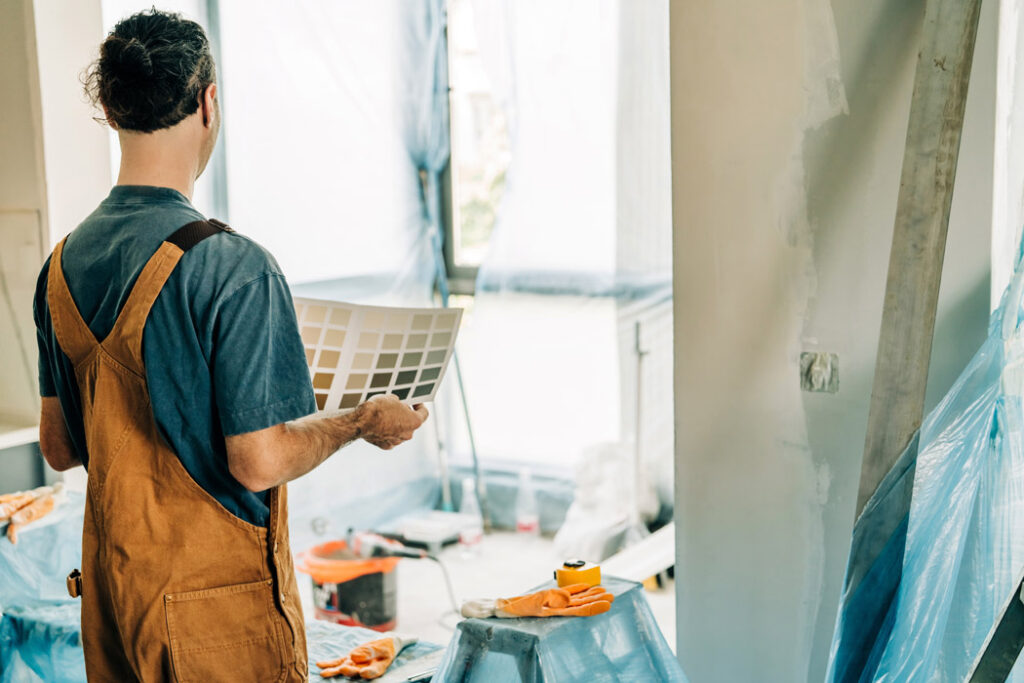
The kind of paint you choose is critical
She insulated her external walls using 100 ml of wood fibre, which was coated in lime plaster, with a mix of Earthborne and Graphenstone paints to finish.
“All paint companies say their paint is breathable, but they’re not,” she says. So-called breathable insulation options will only function if the finishing touches applied to them, such as paint, are also vapor-permeable. Outsource painting to a subcontractor, and you’re not guaranteed that the product that is applied to your walls will be as prescribed, rendering the expensive investment redundant.
Banish condensation
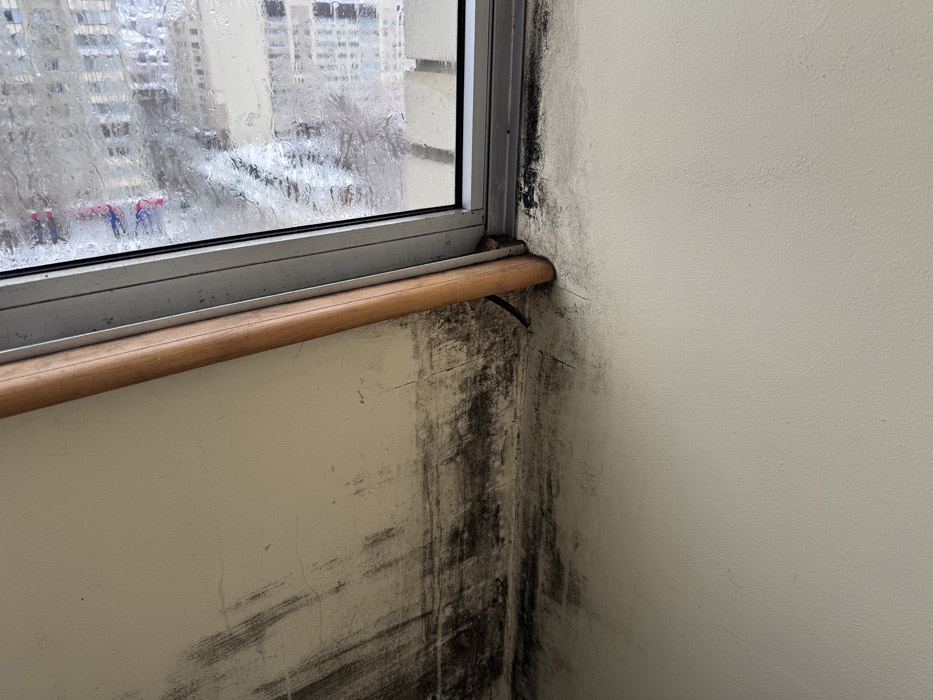
“Breathable, it’s a daft word. It’s all to do with vapour permeability. It’s about moisture, not air.” Air can move easily around polystyrene boards, she says, but they are not vapor permeable.
“Put synthetic insulation into a heritage home, and you’ll have condensation. The other big problem with synthetic insulation is that it’s not vapour permeable and encourages condensation, which may lead to mould.”
Ventilation is key
She installed triple-glazed windows on almost all openings.
“Trickle vents in windows are rarely going to be enough ventilation for a family of four that produces 20 litres of moisture every day just by living. We need to start adding options as a matter of course.”
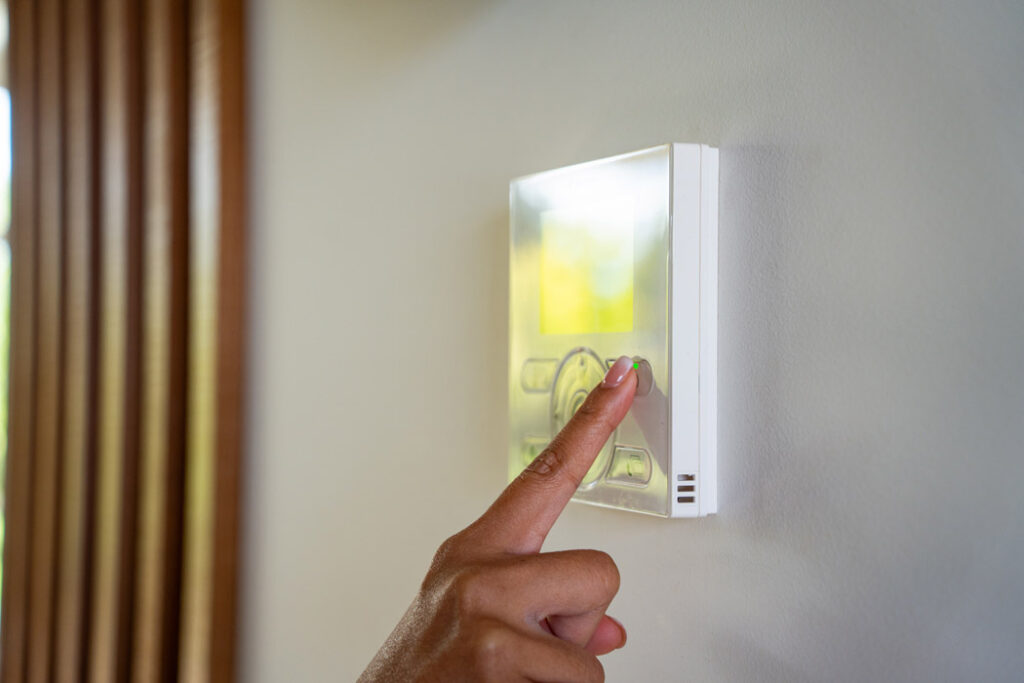
By this she means mechanical heat recovery ventilation. There are multiple options. Such systems make heating the home more cost-effective. How? “Dry air is easier to heat.”
Understand heat pump technologies
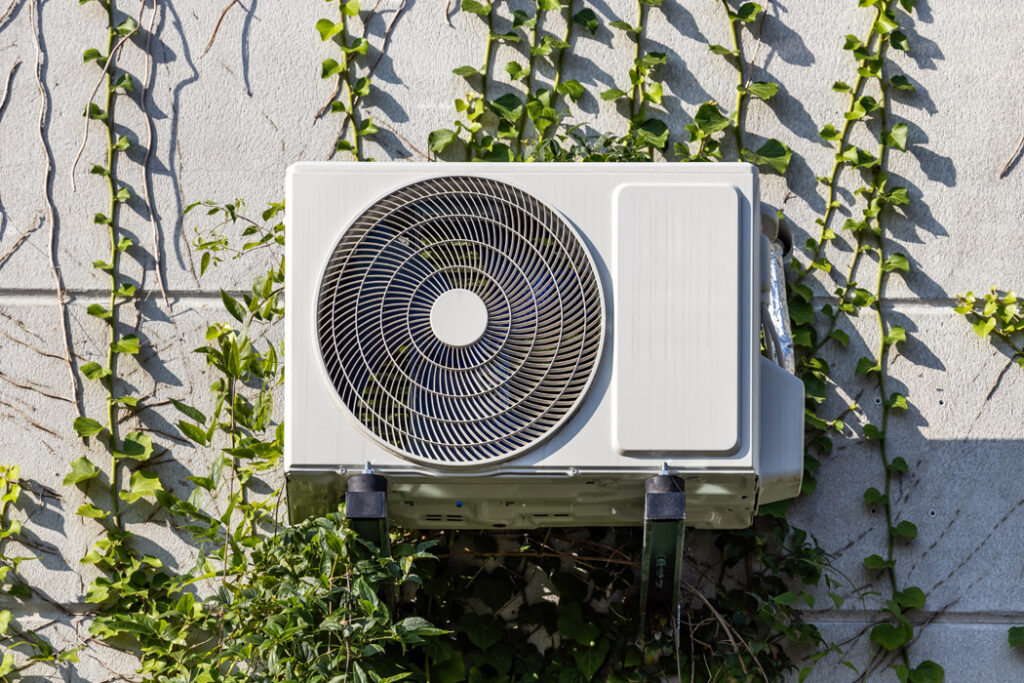
Having invested in a heat pump, she says it’s something you need to know how to live with.
“You don’t use a heat pump the same way. It’s a paradox. You need to leave it on all the time to run as cheaply and efficiently. It runs at a much lower temperature than gas. It uses the most energy when going on and off.
“You need a specialised heat pump installer to fit it. Don’t trust a builder to do it.”

Find the right builder for the job
It is very difficult to get a good builder, she admits. “You need to ask the right questions. Ask what they’d expect energy consumption to be when the works are done. Ask what materials they suggest using and why.”
Answers need to be in plain English. “You need someone who knows how to make a home energy efficient, for the type of property it is.”
She also counsels you to ask to talk to their clients and go see the work.
This is useful information to have when approaching any of the SEAI-approved one-stop shop suppliers. If they don’t satisfy your asks, move on and approach another. It is going to take time to find the right person for the job.
It does feel different, she says. "It wraps itself around you. It's warmer, energy consumption is down, and the house is worth more."
Follow Judith on ecorenovationhome.com