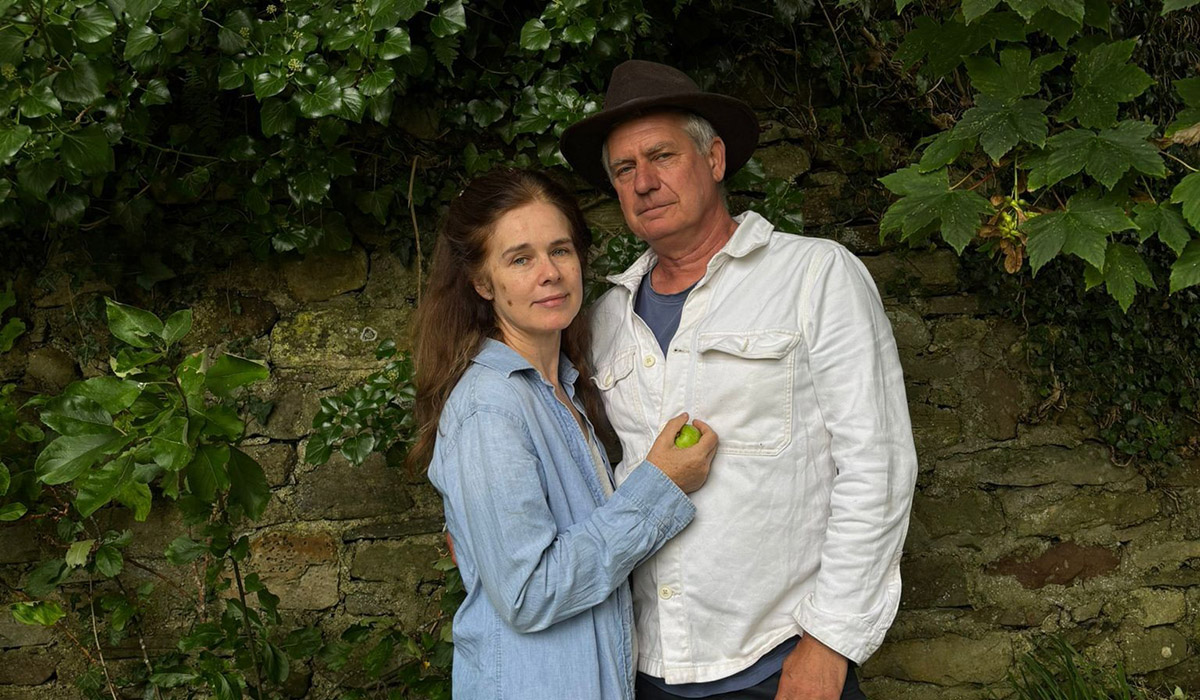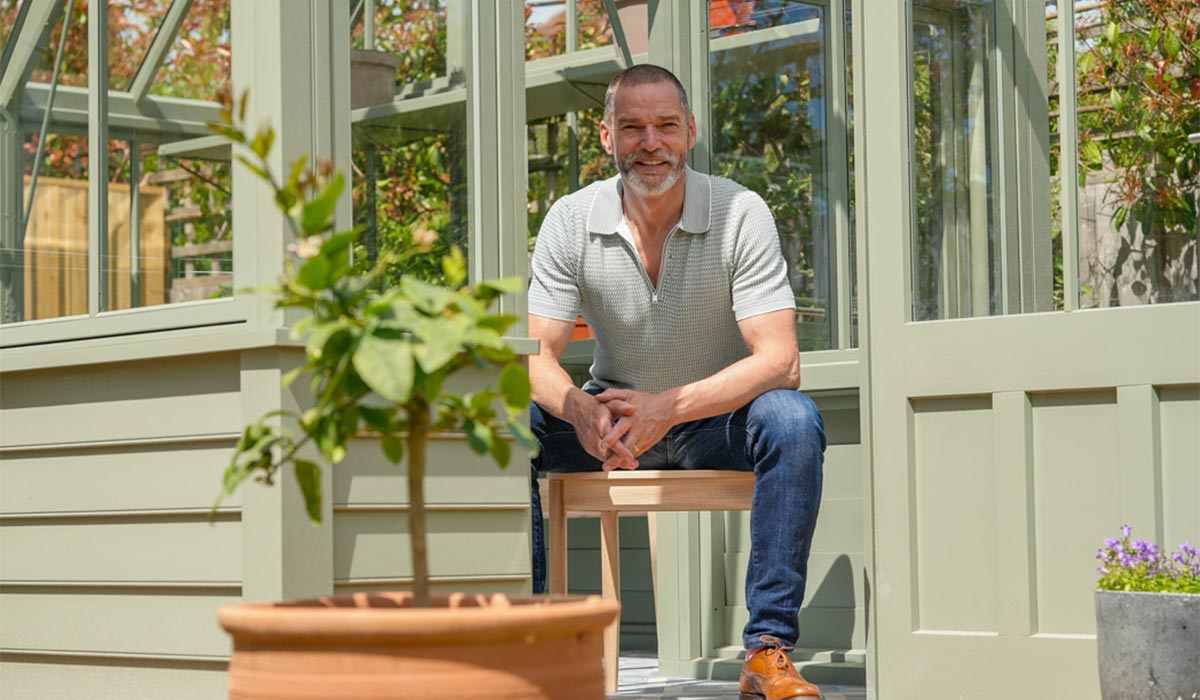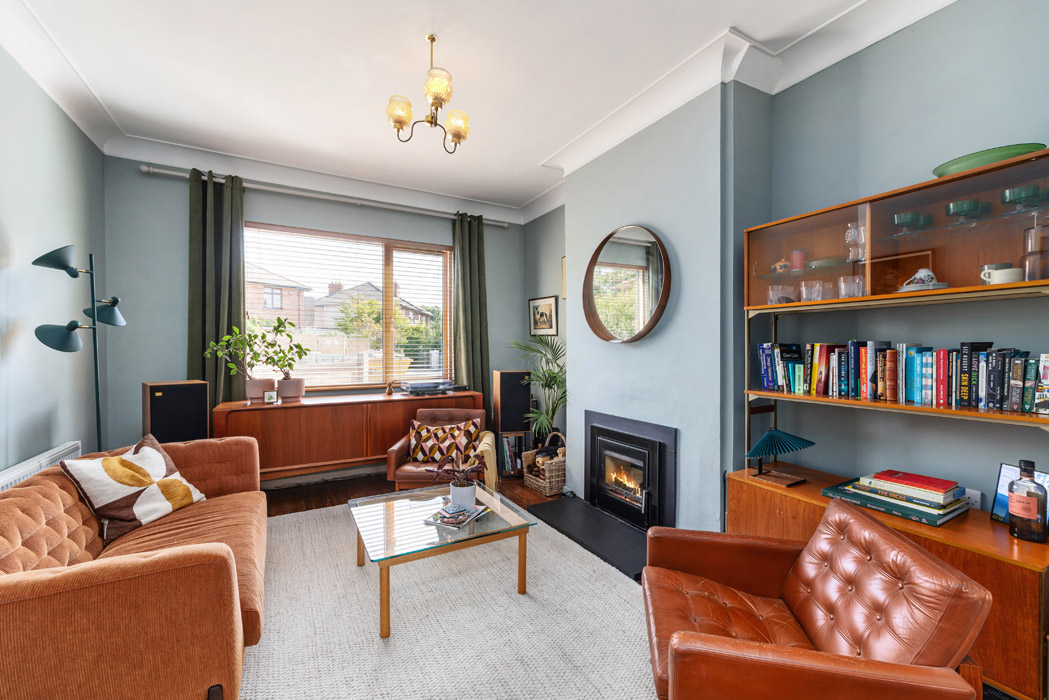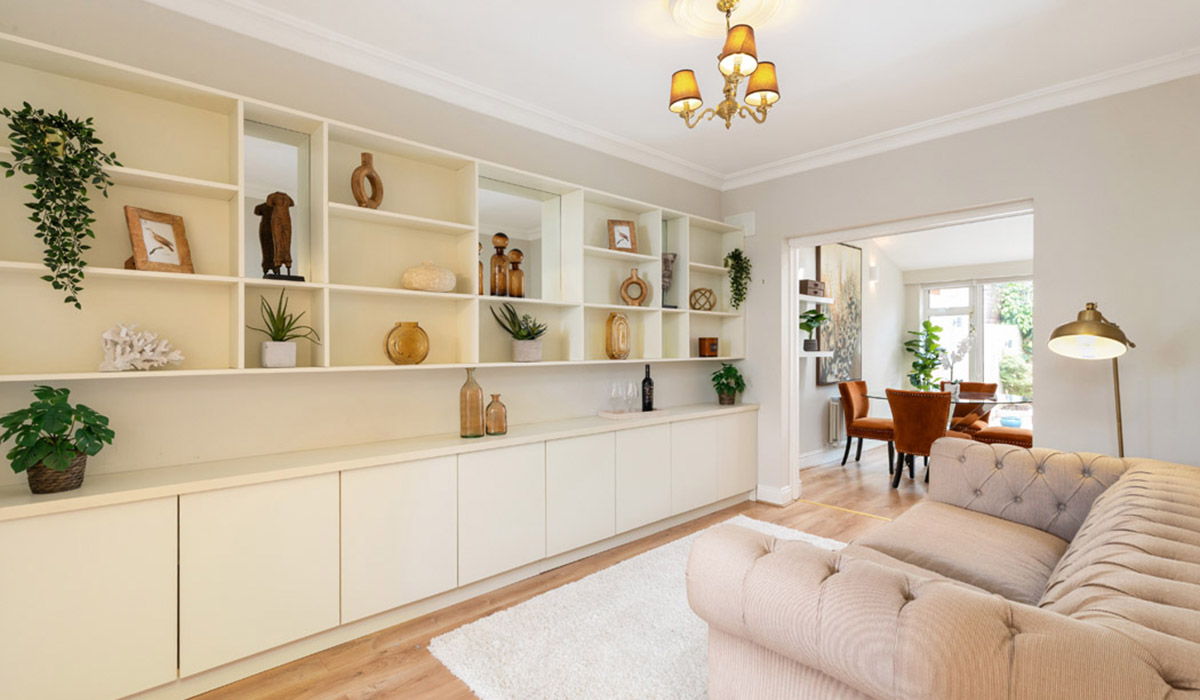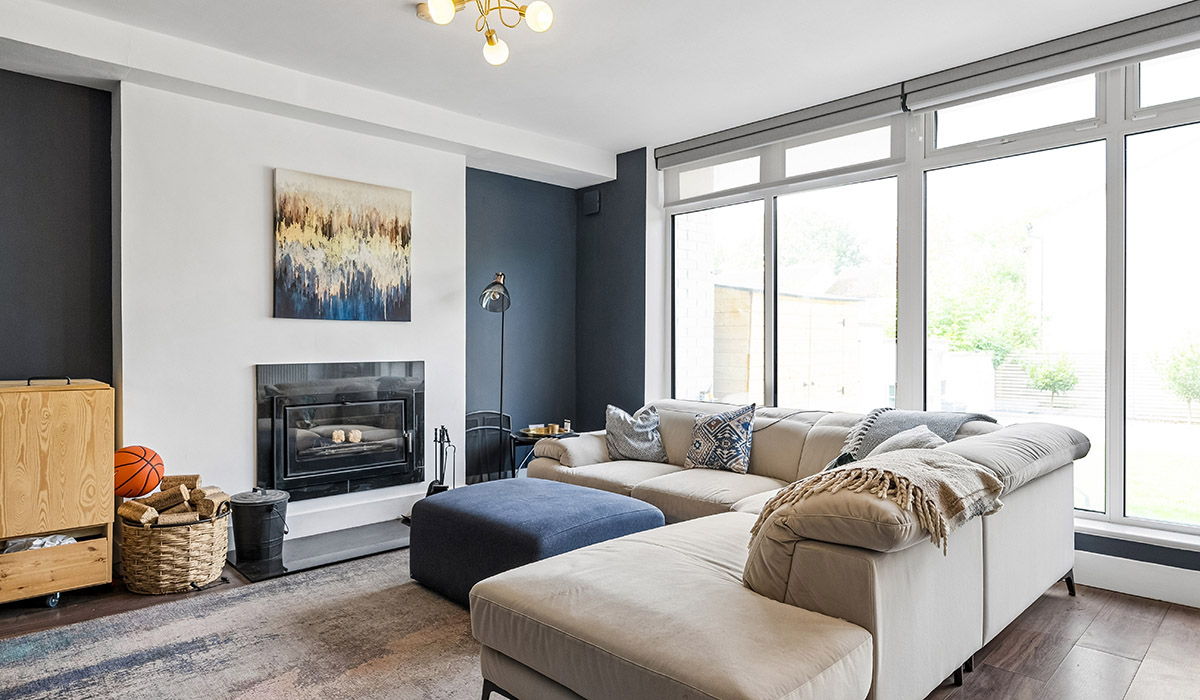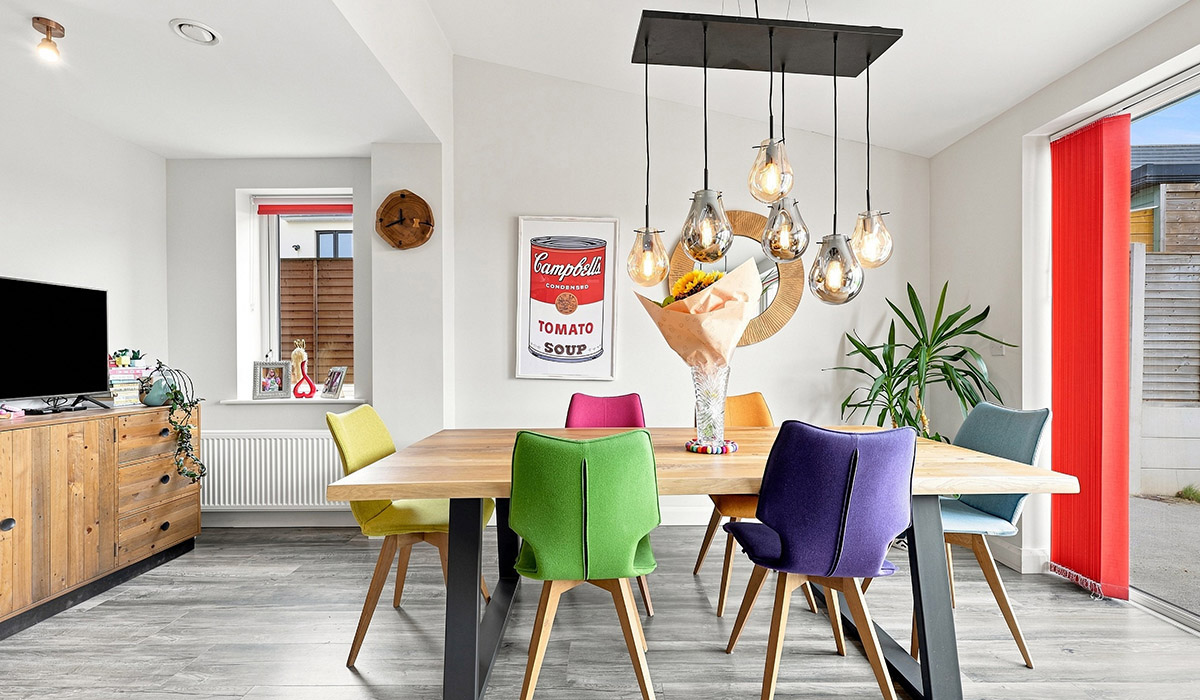
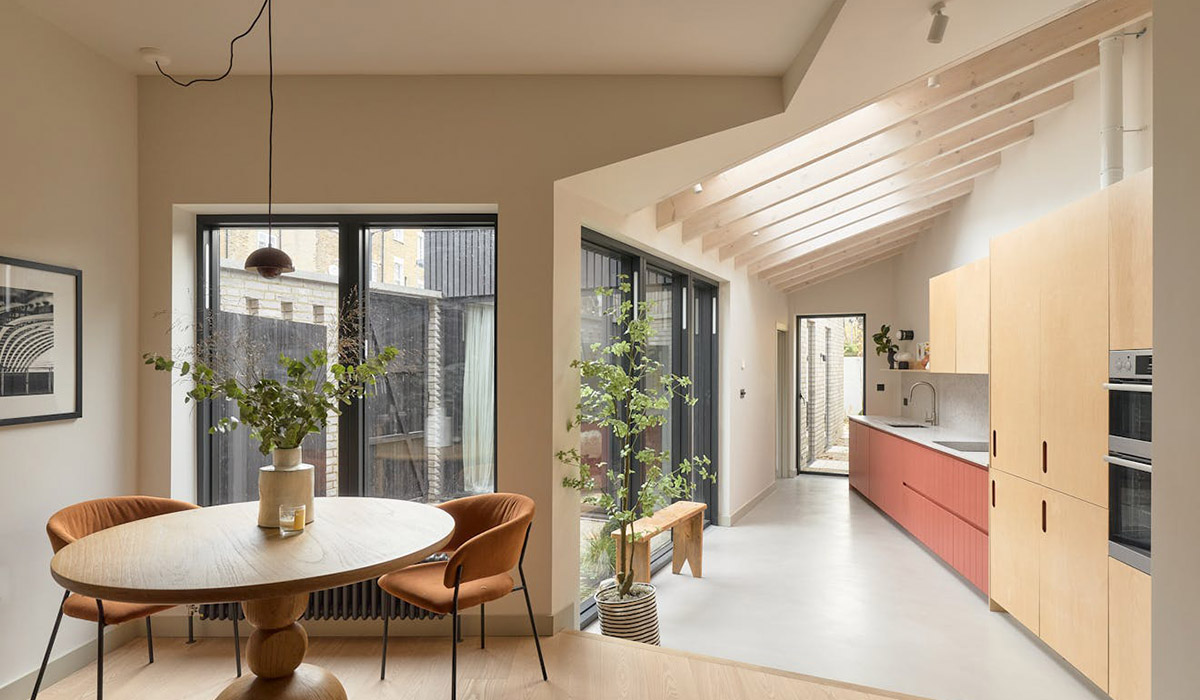
With almost 250k followers, House Obsessed Instagrammer Sara Mungeam is a micro developer who knows how to successfully subdivide period homes for 21st-century habitation.
With many landlords leaving the market, there is scope for small developers to reimagine what are often pre-63 properties, as contemporary flats.
UK micro developer Sara Mungeam, whose Instagram handle, House Obsessed, has 254,000 followers, has carved a niche for herself in this very market, and her approach will work equally well in Ireland’s cities and towns.
Her mission is to add value, either by increasing the number of units she creates or by expanding the size of existing units.
“The place needs to have enough storage, outside space, it’s got to have a good flow and look nice, with nice finishes,” she explains.
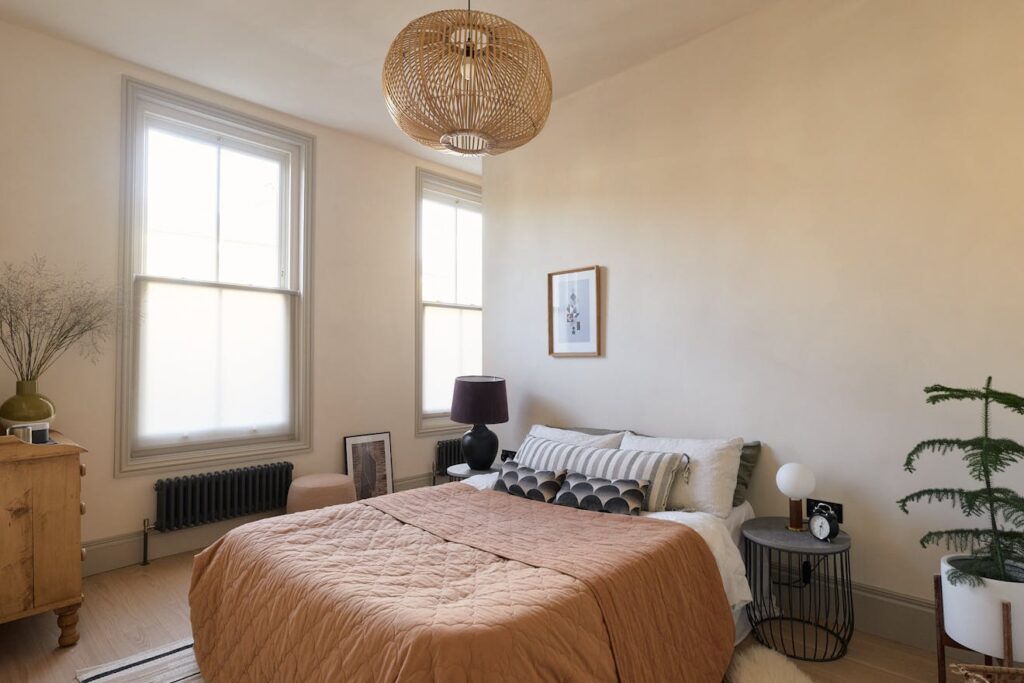
A strong decorative approach also forms part of her signature, including wall panelling and good lighting.
She used recognisable styles. For this scheme in Peckham, called The Ripple House on her socials, she installed a Tradition flowerpot pendant and a Cox and Cox Bambi light.
She says that knowing local planning in the area you want to buy and develop in is crucial.
In some of her previous projects, she has had to do a feasibility study to present to planners.
Based in the UK, she also has to pay a tax to the local council when not building affordable housing. Add architect fees and rising building material costs, and this can quickly see profit evaporate.
She had a good builder on board, a critical key part of the jigsaw.
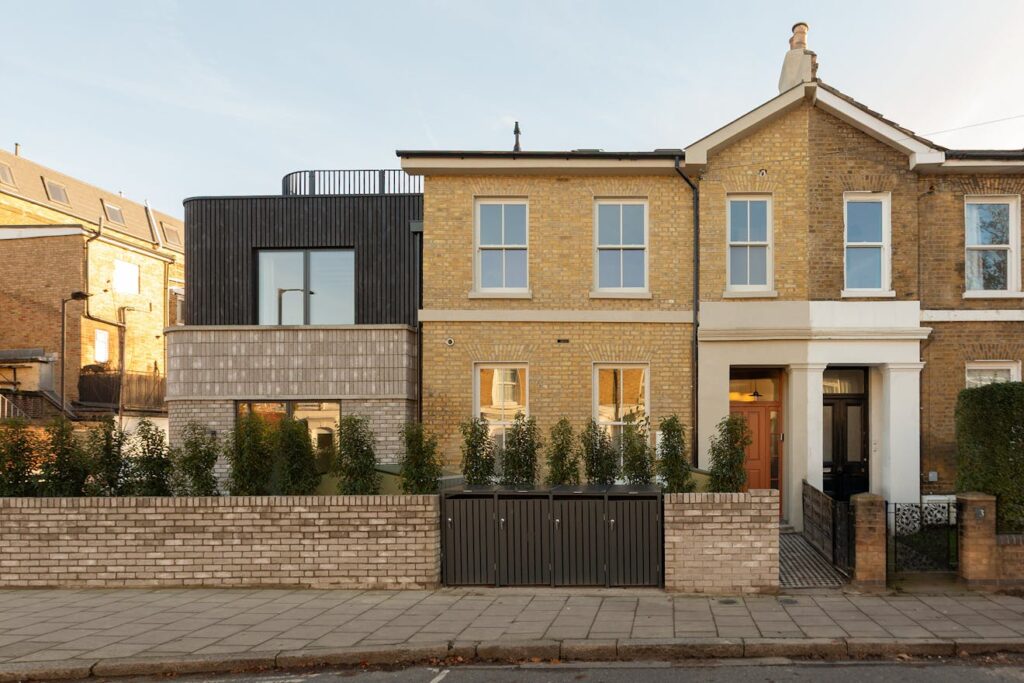
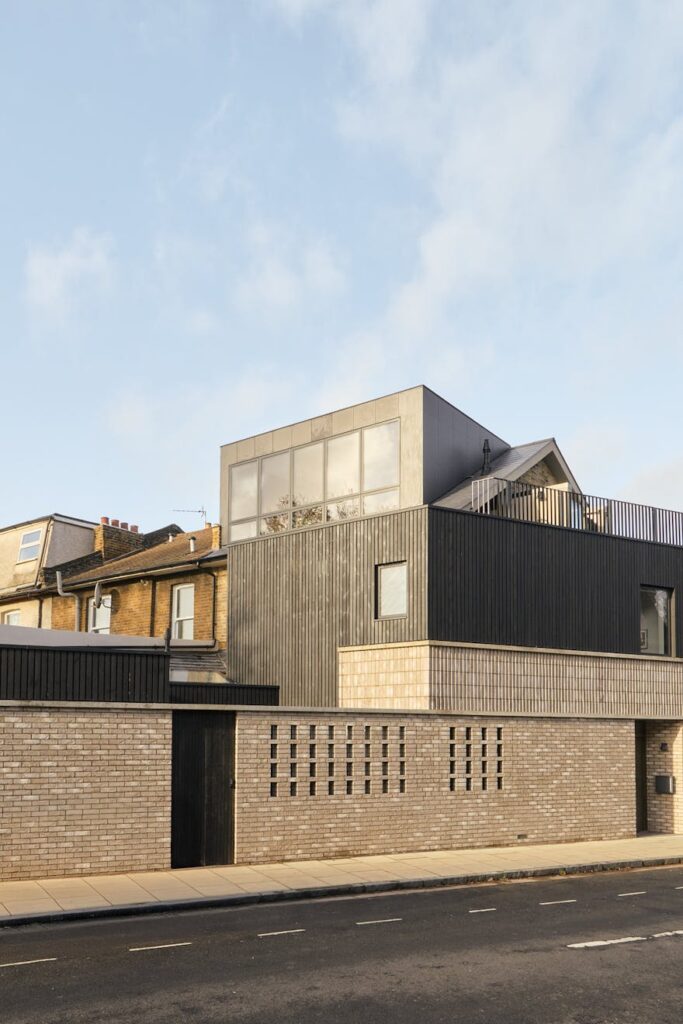
Ripple House was an end terrace house with space to the side where she planned to build an additional house. The end terrace became a mid-terrace.
It was an awkward site.
The house was subdivided into two flats, and there was a separate studio to the side.
The plan was to extend the main house out and up, to enlarge the two existing flats and to create a one-bedroom unit from the studio.
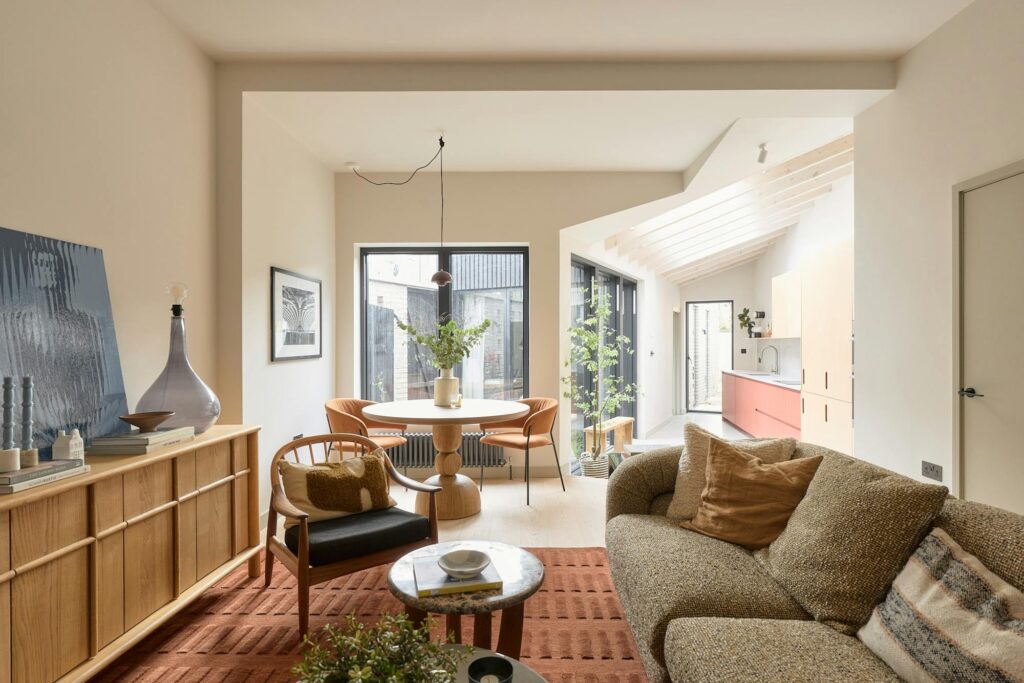
Quite an awkward plot, she had difficulty getting planning to build out to the boundary with the pavement.
Working with Gruff Architects and AIB Contractors, she ensured razor-sharp use of every square cm of space and a high-end finish.
Not her first property, she had gained experience and confidence, to add considerably to the original footprint, extending the original house in every direction.
There is a limit, she says, on the number of bedrooms to add.
“Turning a one-bedroom into two, two to three and three to four, after that, the law of diminishing returns applies.”
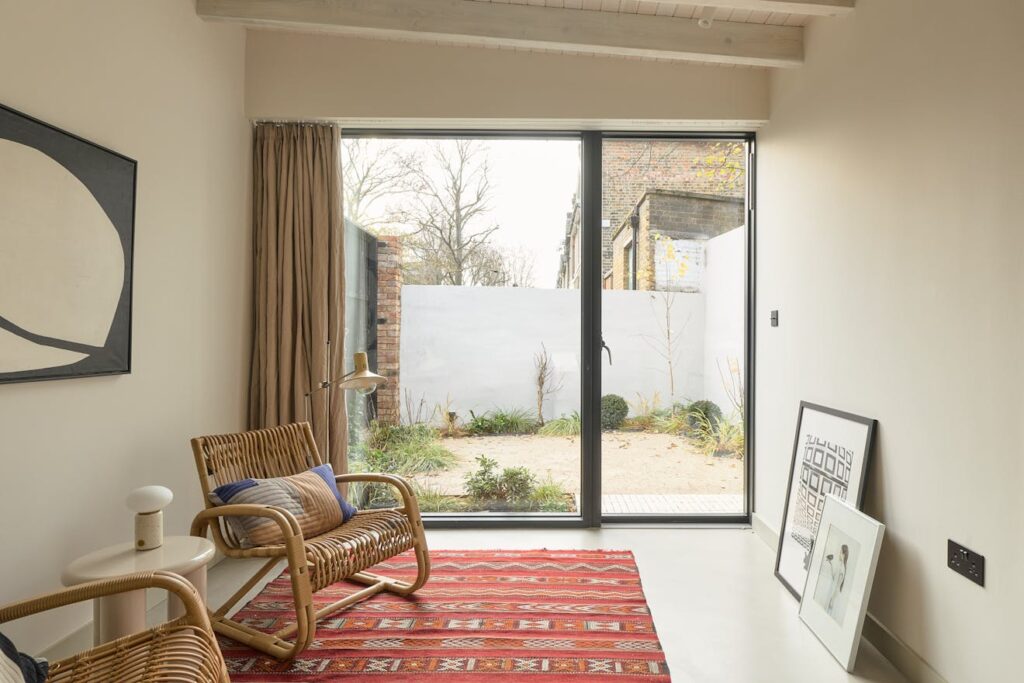
Listed as Meeting House Lane I and Meeting House Lane II on estate agent Aucoot’s website, the two flats have been put up for sale.
Every bit of space has been optimised. Meeting House Lane I is a 92 square metre three-bedroom ground floor flat with a further 38 square metres of outdoor space across two areas. Entry to it is through a communal hallway.
This has now sold.
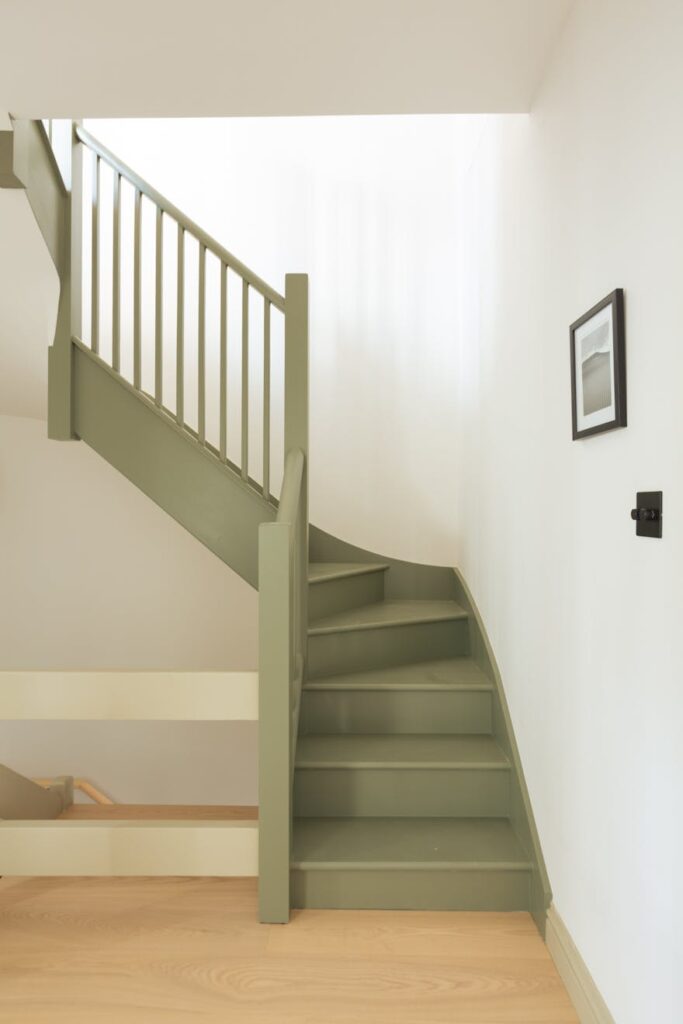
Meeting House Lane II has become a two-bedroom duplex flat set over the first and attic floors of the original house, with a shared entrance to the front.
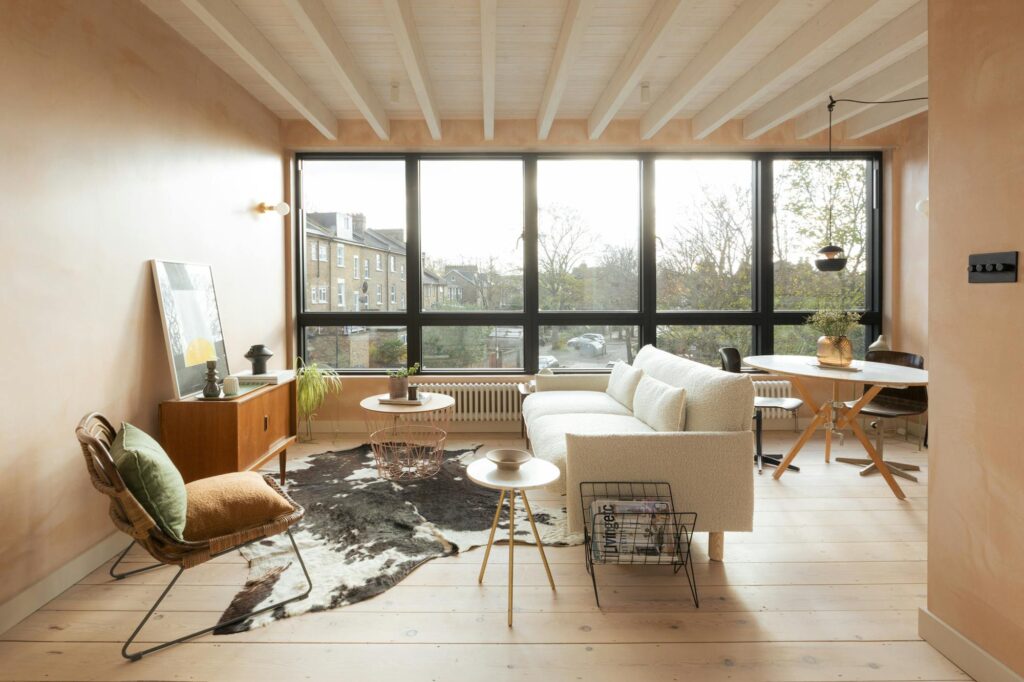
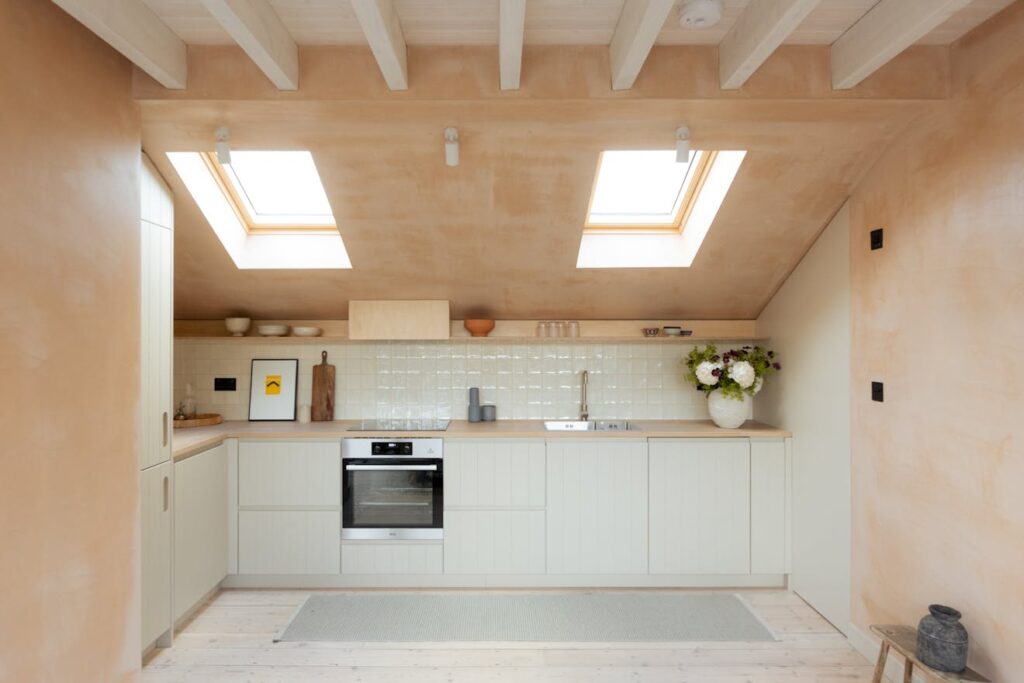
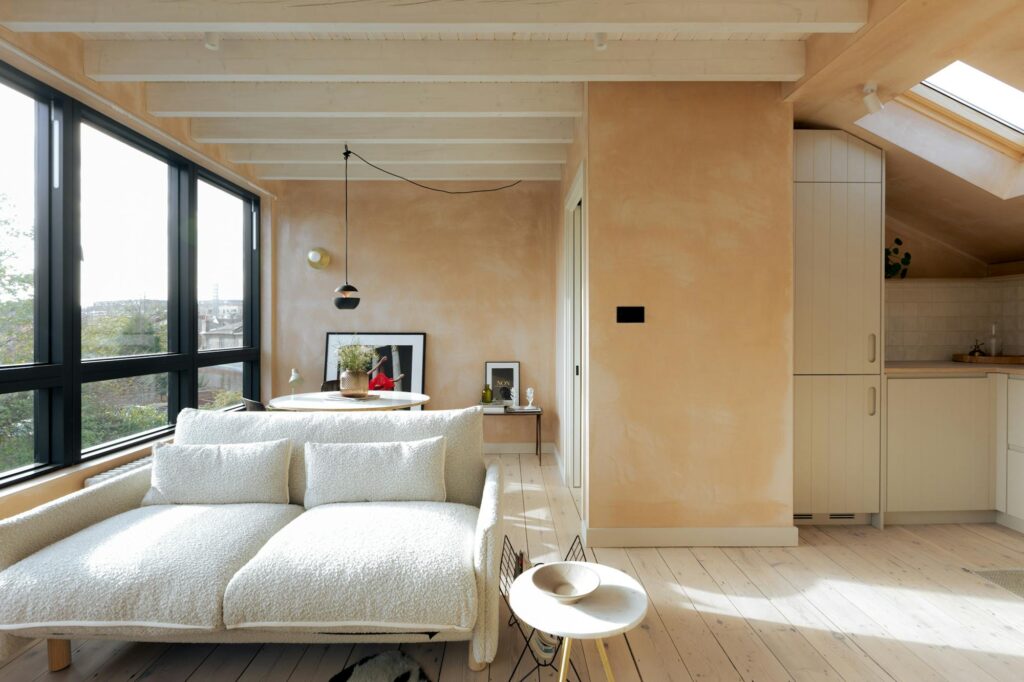
Measuring 80 square metres in size with an additional 4.6 square metres of outdoor space in a balcony, it features an inverted layout with the kitchen and living on the top floor to make the most of the tree canopy and light above.
The studio to the side has also been supersized. It has become a very smart, one-bedroom house, set over two floors, complete with a roof terrace.
Rather than sell it, she’s held on to it.
There is also a metal unit for the apartment in the communal front garden, which can be used for bikes or additional storage.
The finish in this development has contributed to how well-received the flats were.
Her advice to would-be micro developers is to plump for a décor that is "understated yet layered. Use deep colours on joinery, but nothing too dark, either in kitchens or bathrooms".
Luxe Cosentino Silestone quartz countertops helped to add finishing touches.
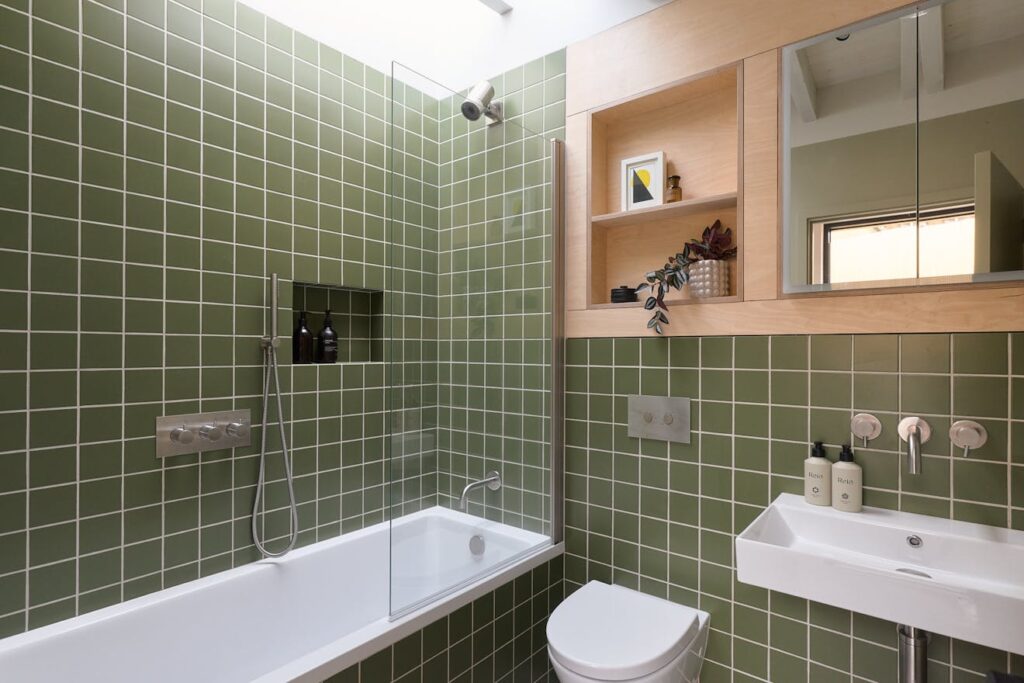
Have nothing bland in the bathrooms either, she counsels.
She opted for moss green 10 cm by 10 cm square tiles in the bathroom and fashionable microcement floors. Elsewhere, she laid terrazzo-format tiles.
Some of the walls haven’t been painted. Instead, decorators' varnish atop the bare plaster “cures” them.
It’s a fashionable approach that also helps cut costs. The wood flooring was stained using Osmo oil.
She is constantly looking for her next project. She goes to auctions, but she has never managed to buy this way.
What works for her is going to estate agents, asking about probate sales, those that ask for cash-only buyers and looking at residences that have been empty for years.
Her great design nous, the use of a good architectural practice and a trustworthy builder have helped her build a solid reputation.
She’s sanguine about what’s going on now in the Middle East and how it might scupper her current project, but she’s worked through the price inflation of Covid and the war in Ukraine.
While her example is UK-based, the housing stock is very similar to that of Ireland’s urban areas.
We need micro developers to be funded to be able to take a chance on reimagining our old building stock.
Many in the building trade are averse to getting involved in these property types, either because they lack the skills and knowledge of the best approaches, or they cannot get the funding necessary to execute the works imaginatively, in a way that is sympathetic to the neighbourhood and adheres to building and fire regulations.
Purchase and building costs are such that the banks don’t look favourably on these projects either. Insurance rebuild costs are also punitive when you get into properties that are over 100 years old.
This old stock, often well located, needs rehabilitation. The expansion of the Living City Initiative across the country is welcome and should help. So too will the rise in the vacant above the shop grants. But more needs to be done.
We also need to create more units that people can rent or buy to live in – spaces they’re proud to call home.
For more, see House Obsessed, and to view the properties showcased here, visit Aucoot.com