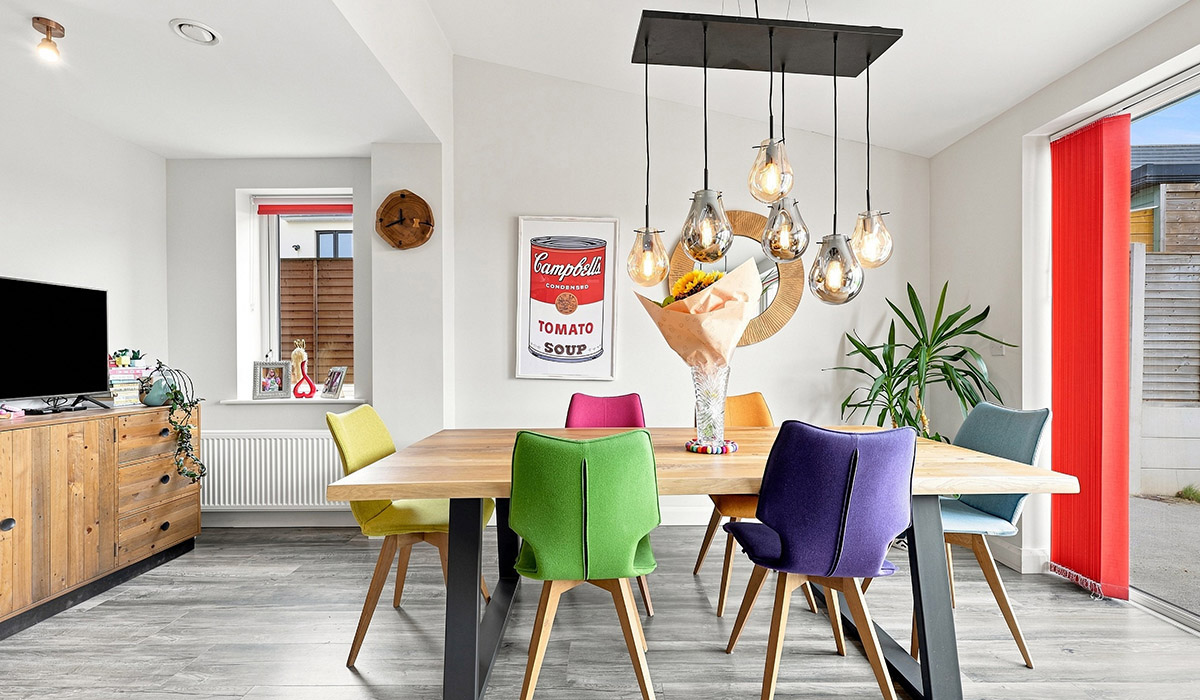
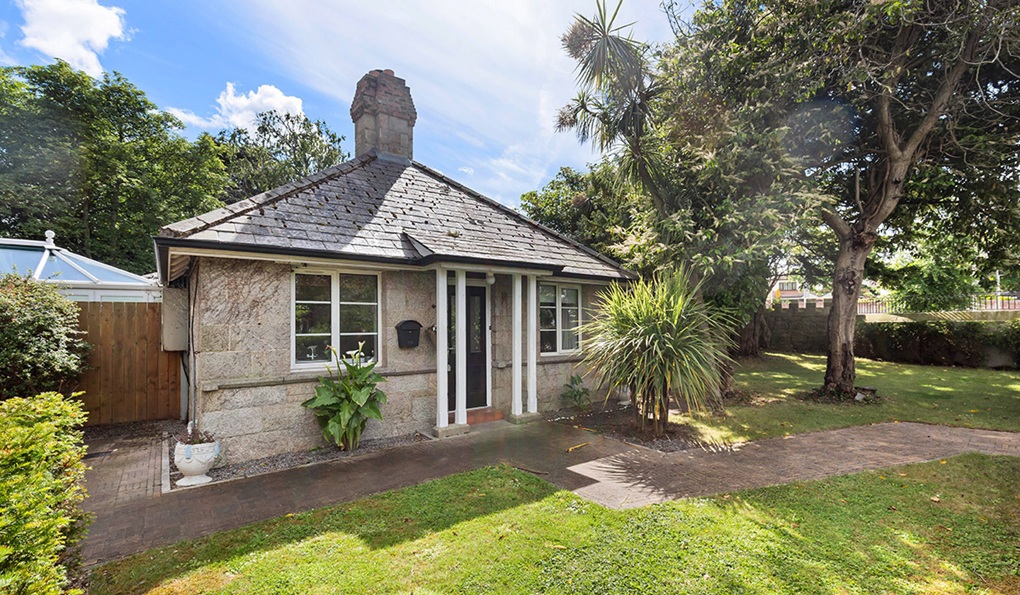
Situated at an entrance to the Glencairn estate, whose big house has been the British ambassador’s residence for decades, this three-bedroom detached house offers a period alternative to the more contemporary housing stock in this part of D18.
Prepare to be spoiled rotten at this residence.
Situated at the entrance to the Glencairn estate, commuters who use the green line Luas and descend at the Glencairn stop around the corner may never even have noticed the demure gate lodge of silver-grey, specked granite, the only indicator that this was once part of the grand Glencairn estate.
Address: The Gate Lodge, Glencairn, Murphystown Road, Dublin, D18 WC41
Asking price: €900,000
Agent: Savills
Having once extended to about 500 acres, housing has been built on most of the estate now, but the big house remains the residence of the British ambassador.
With 130 square metres of space, the three-bedroom, one bathroom property offers period good looks that have been contemporarised inside.
The big house was built circa 1861 for George Gresson to the design of Benjamin Woodward, and has had many owners.
Its most notorious resident was the Irish-born Boss Croker, a former gang leader from New York.
He employed James Franklin Fuller to give the property a Gothic makeover that would emulate railroad baron Jay Gould's country home Lyndhurst, in upstate New York, according to the website American Aristocracy.
During his ownership, Croker trained and bred racehorses here.
In 1907, he exceeded all expectations when his horse, Orby, who was actually born in England but was raised at Glencairn, became the first Irish-trained horse to win the coveted Epsom and Triple Derby.
The housing estate known as The Gallops was built on the lands where Croker had once trained his horses.
BER-exempt, the gate lodge was built in 1908 and extends to 130 square metres of space.
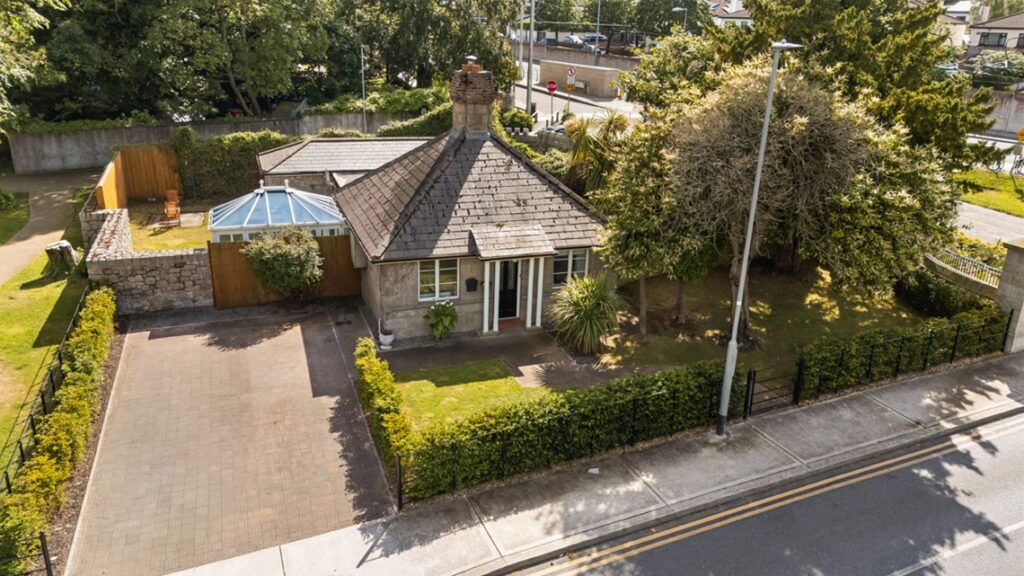
Set well back from the road on the Murphystown Road, it has a castellated boundary wall on the Murphystown Way side of the property, where the Luas green line runs.
The property presents a period alternative to many of the housing stock options in this part of Dublin 18.
The single-storey residence has been extended since it was first built.
The original footprint has a compact, near-square plan form centred on a canopied doorcase.
The original part of the property has a pyramidal slate roof extending into a lean-to slate roof on paired chamfered pillars on cut-granite plinths,
The house is bounded by railings and hedging, with mature trees to the front.
It has plenty of off-street parking at the front.
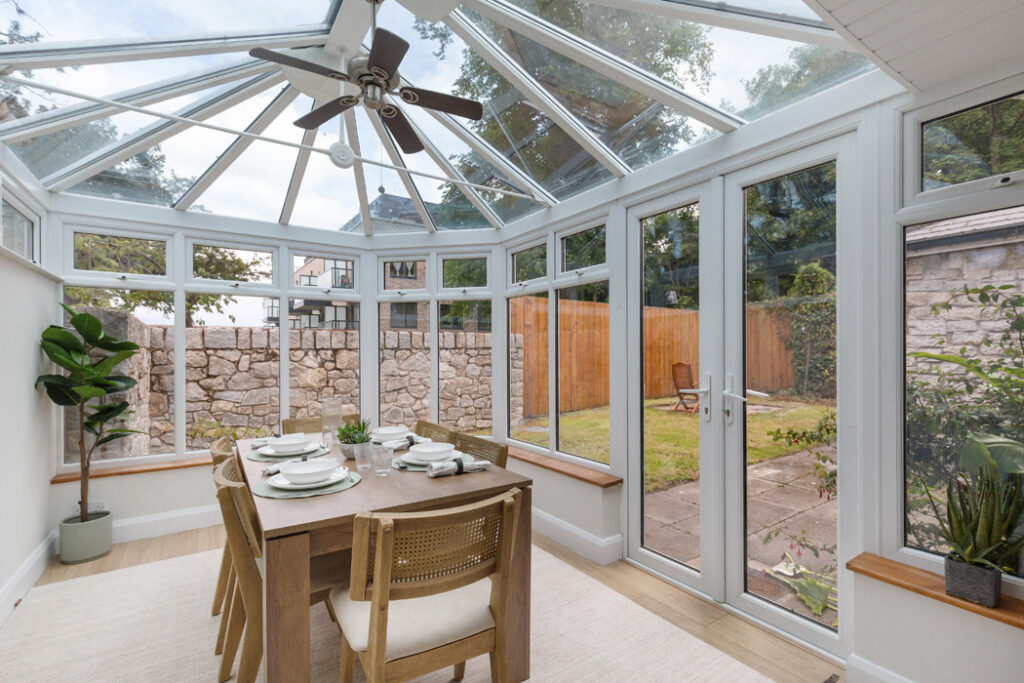
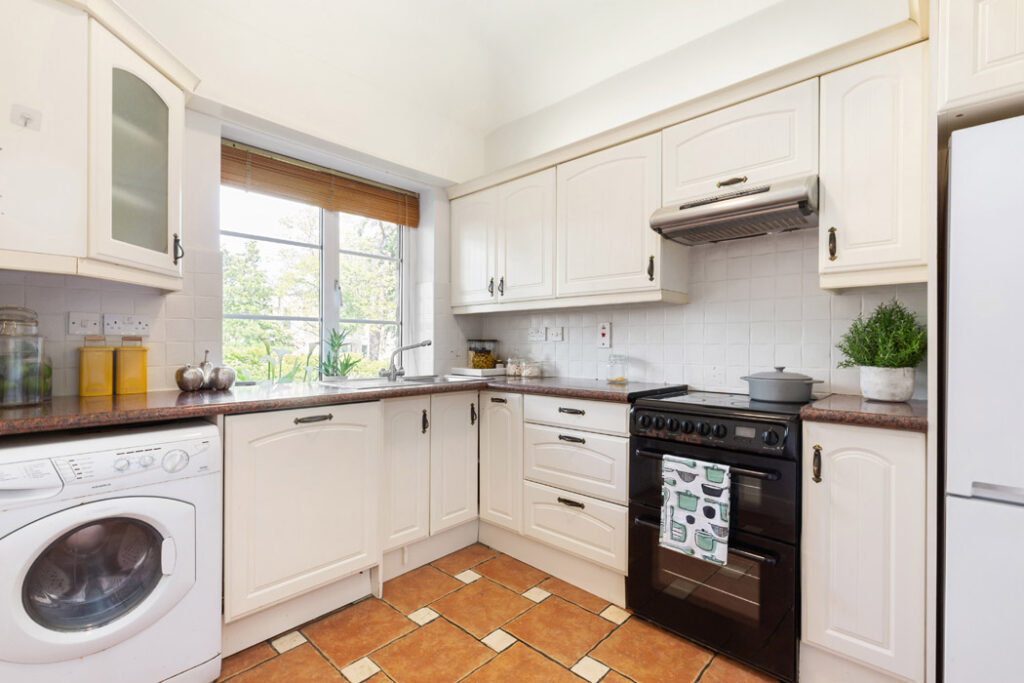
If you enter via the original front door, you’ll find a small kitchen to the left.
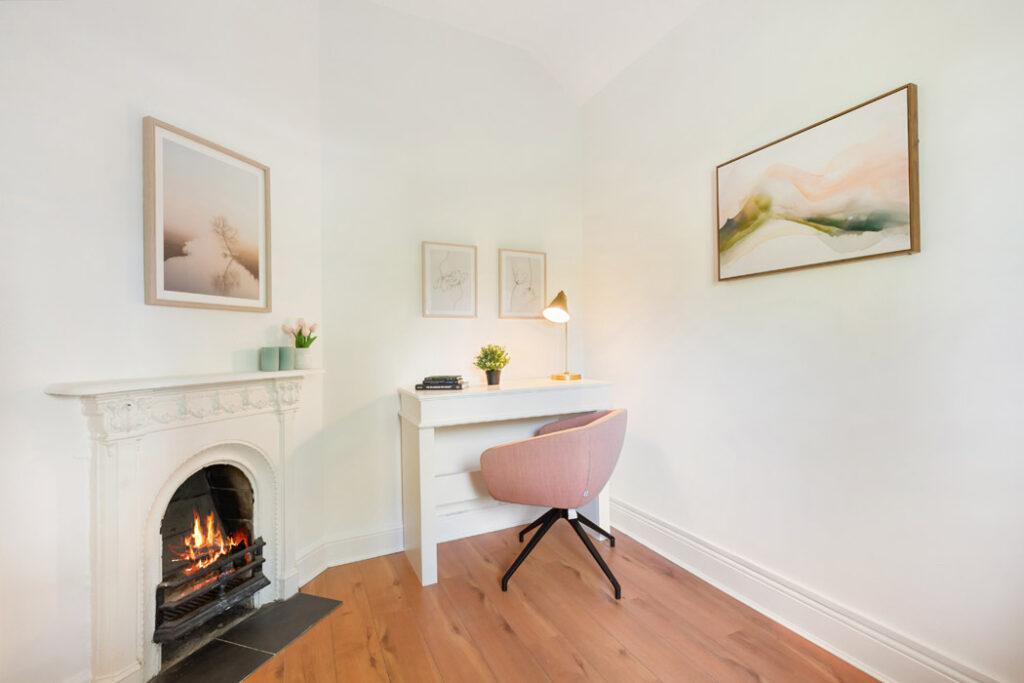
The room to the right is currently a home office and has a cast-iron fireplace.
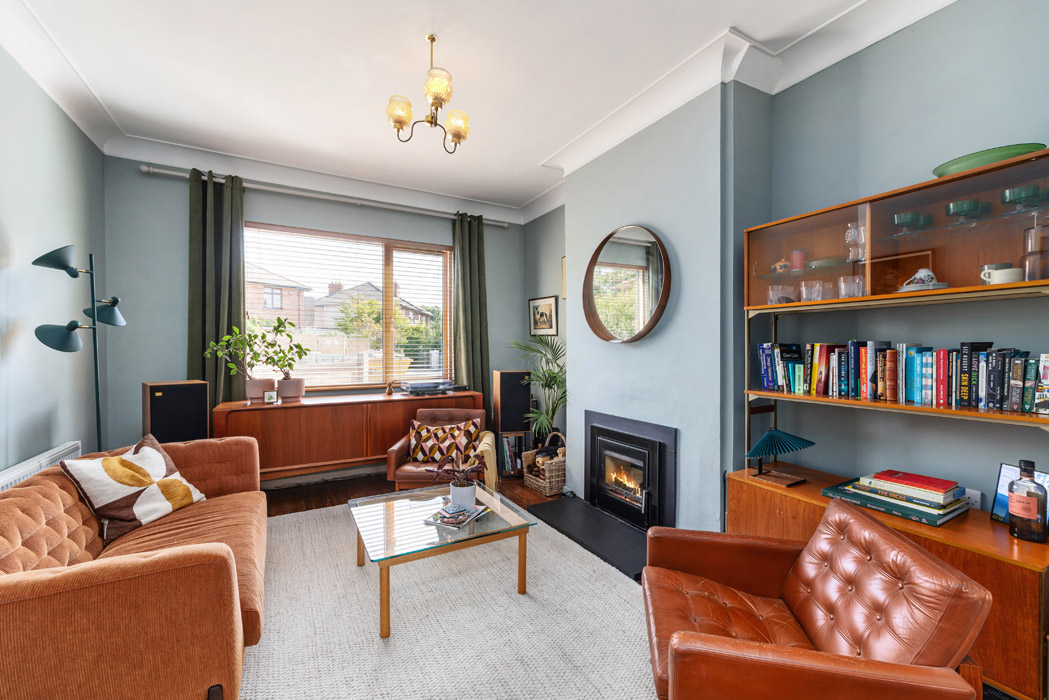
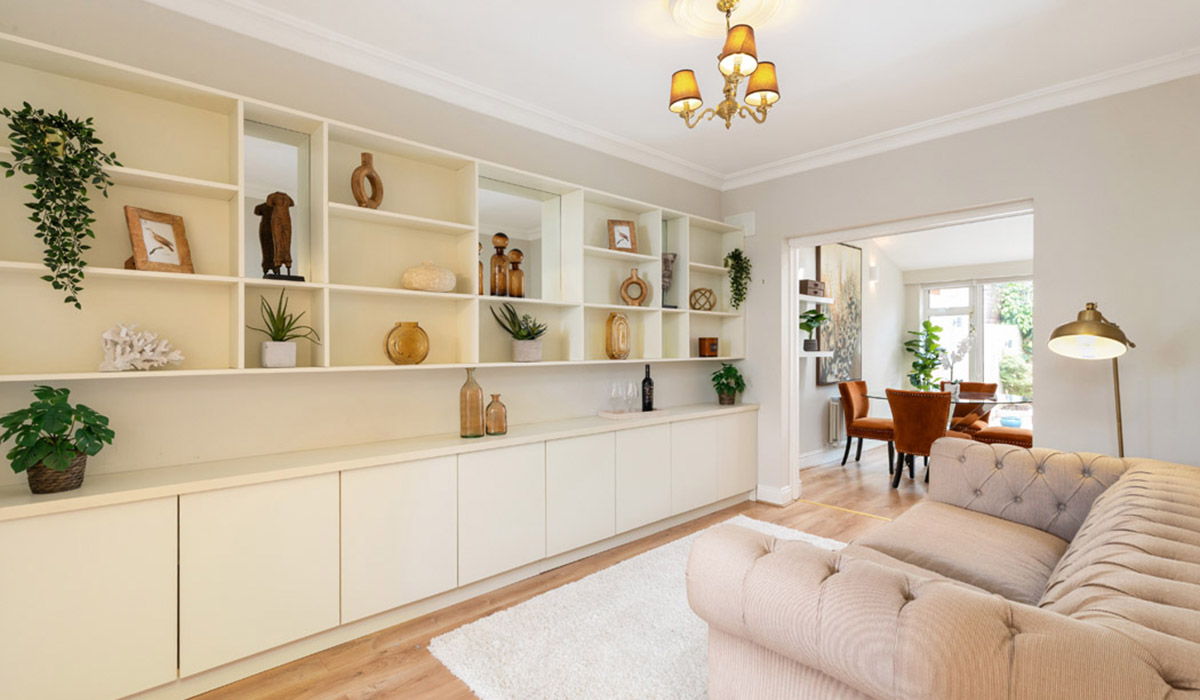
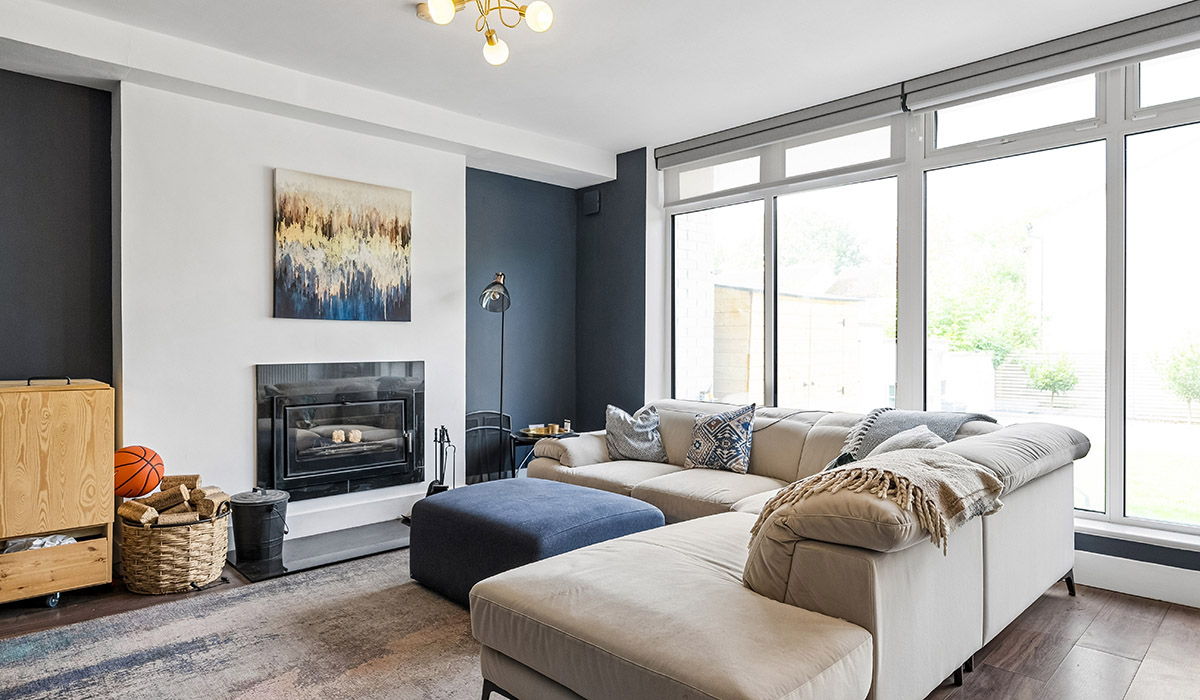
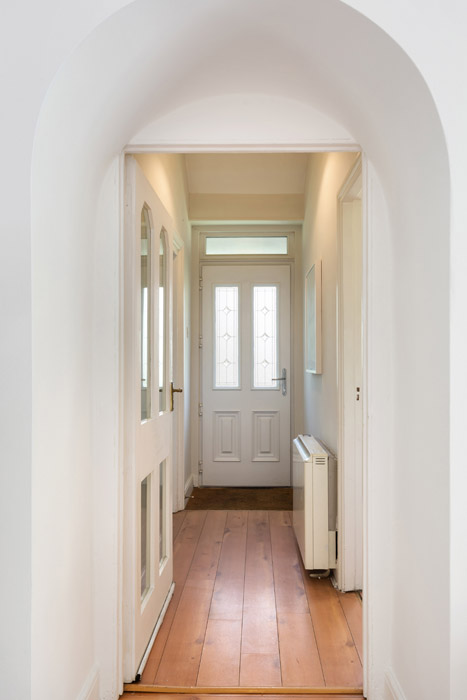
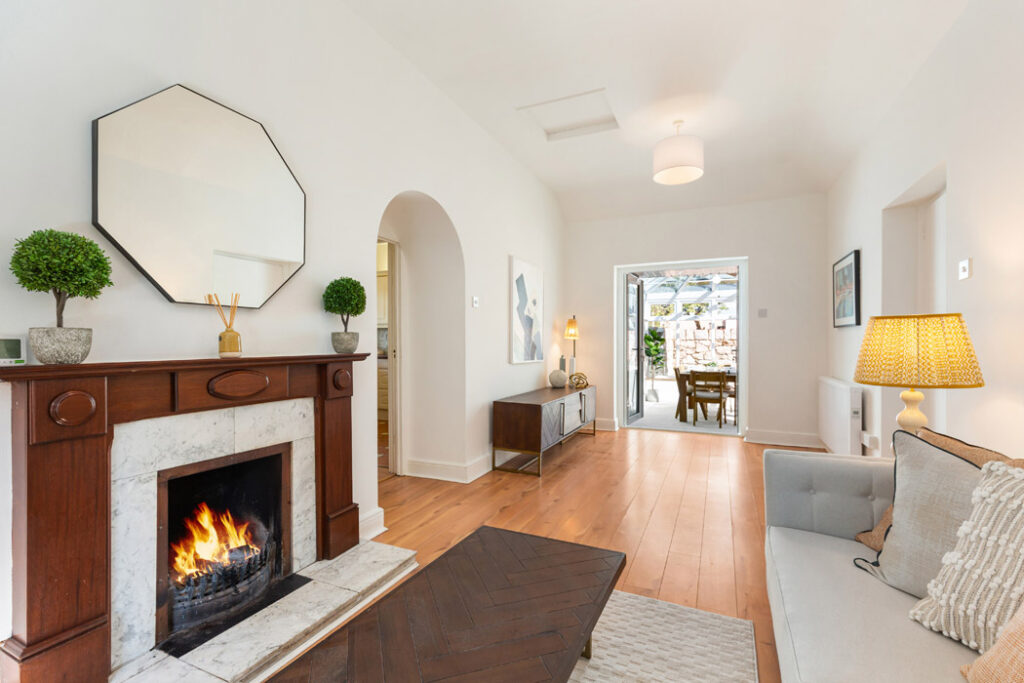
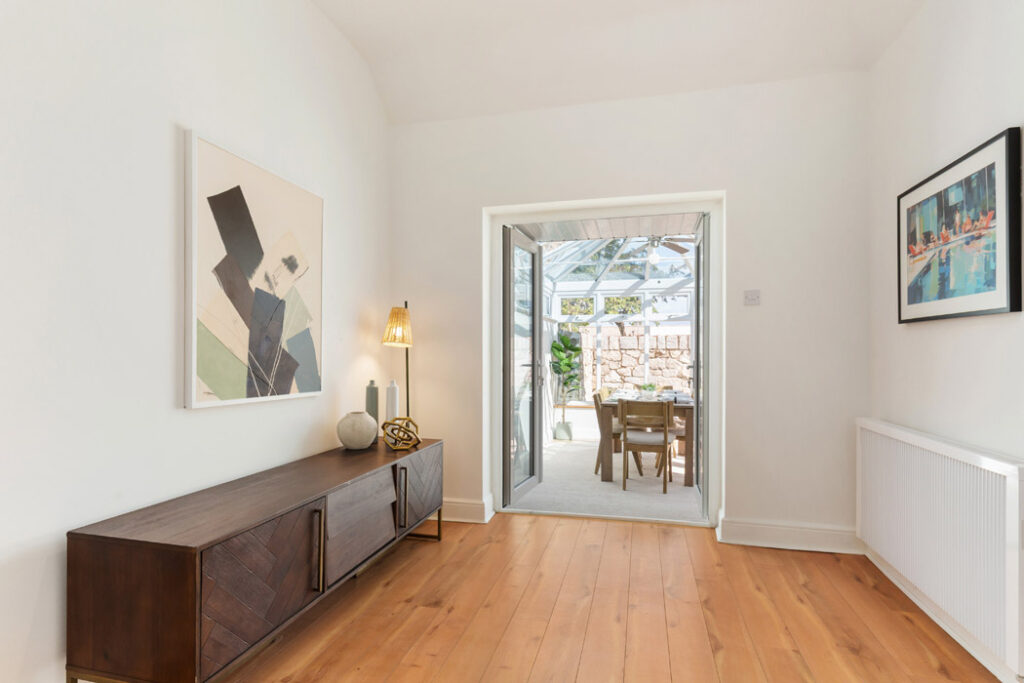
Through an arch is the living room, a dual aspect rectangular room that spans the width of the house.
It opens into a conservatory.
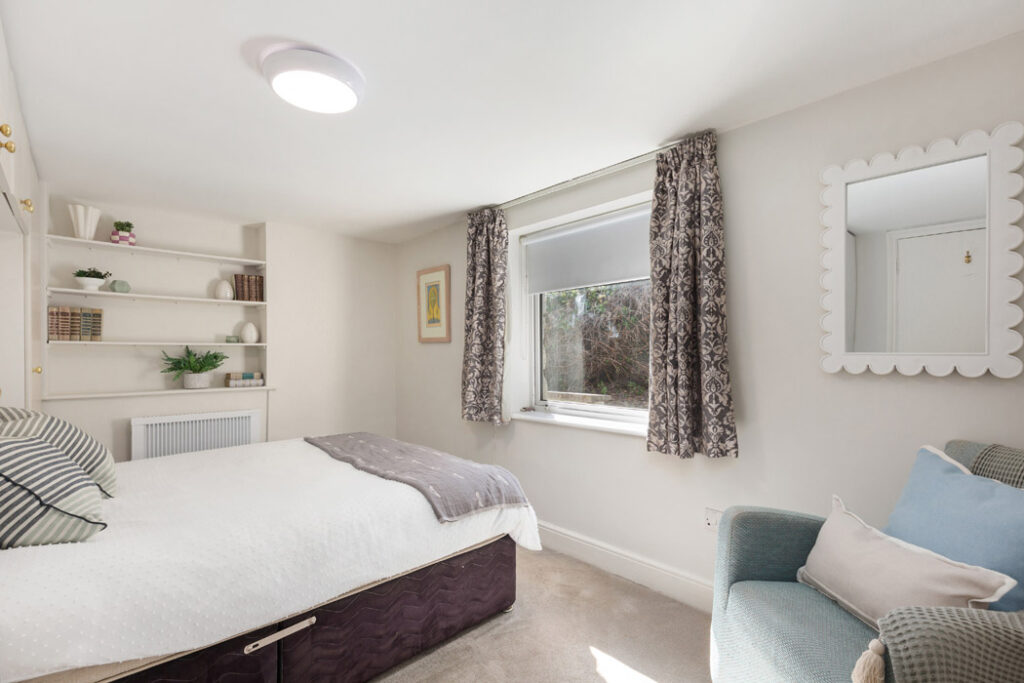
To the rear of the living room is the first of its three double bedrooms, and where the shower room is.
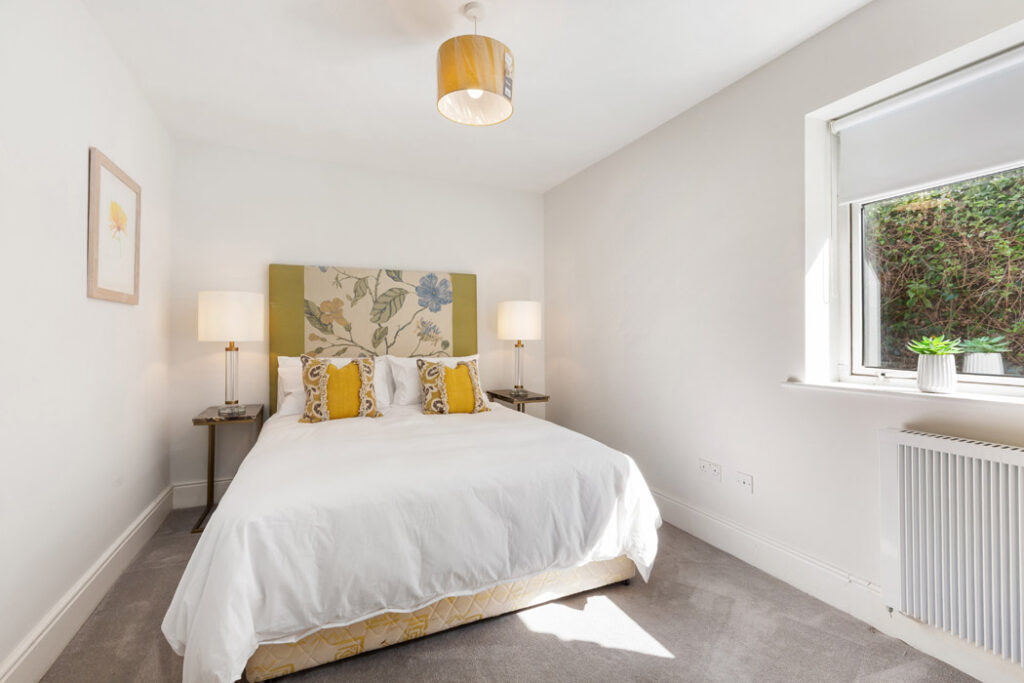
There are two more double bedrooms at the back.
The gardens wrap around the property, are bounded by granite walls, and are exceedingly private.