

If you have heat pump questions, RTE’s Room to Improve architect Dermot Bannon leads a panel of experts to give you answers at the upcoming Ideal Home Show.
With energy bills ever on the rise, the subject of heat pump technologies has never been more prescient.
The technology is complex to explain. Having as much information on the energy consumption of your household before you invest will help you make informed decisions.

Dermot Bannon
If considering investing in a heat pump, you have a lot of homework to do first, says Dermot Bannon.
It is really helpful to track usage a year in advance, covering all seasons and usage.
Know what your utility costs are before you do any work.
You should change your electricity tariff every year to avail of the best deals. By signing up to a smart metre, you will be able to determine how your household currently uses electricity before you make a switch. Ask about what night and day rates are available to you.
This type of life admin takes time to execute, so take a day off work to do it.

You can measure your natural gas consumption by taking a physical reading from your home gas meter, which tracks volume in cubic metres (m³) before it is converted to kilowatt-hours (kWh) on your bill.
If using oil, a smart oil tank monitor uses wireless sensors to track fuel levels continuously and send data straight to a mobile app.
It can calculate daily and weekly usage automatically.
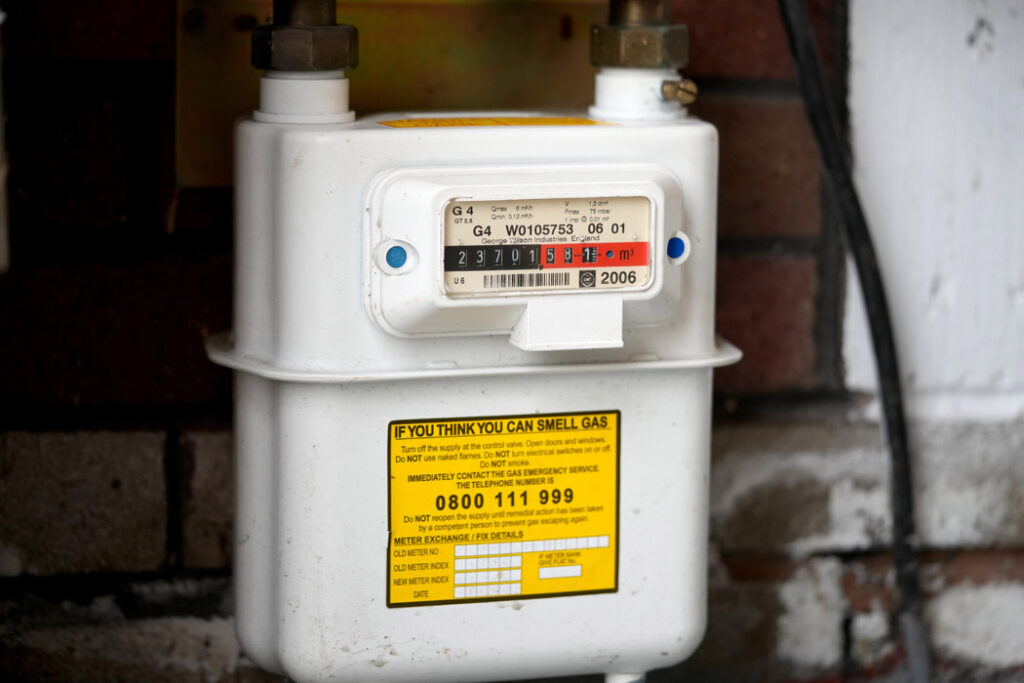
Most tanks feature a mechanical float gauge on top with a visual dial showing whether it is full, half empty, or with only a quarter remaining.
To see how much fuel has been burned, you can manually record the level on a fixed time frame, such as once a week.
Or you can use the dipstick method, which means inserting a clean tape measure straight down into the fill port until it hits the bottom of the tank.
When you pull it out, check the oil mark, and convert the wet cm into litres using your tank manufacturer’s chart.
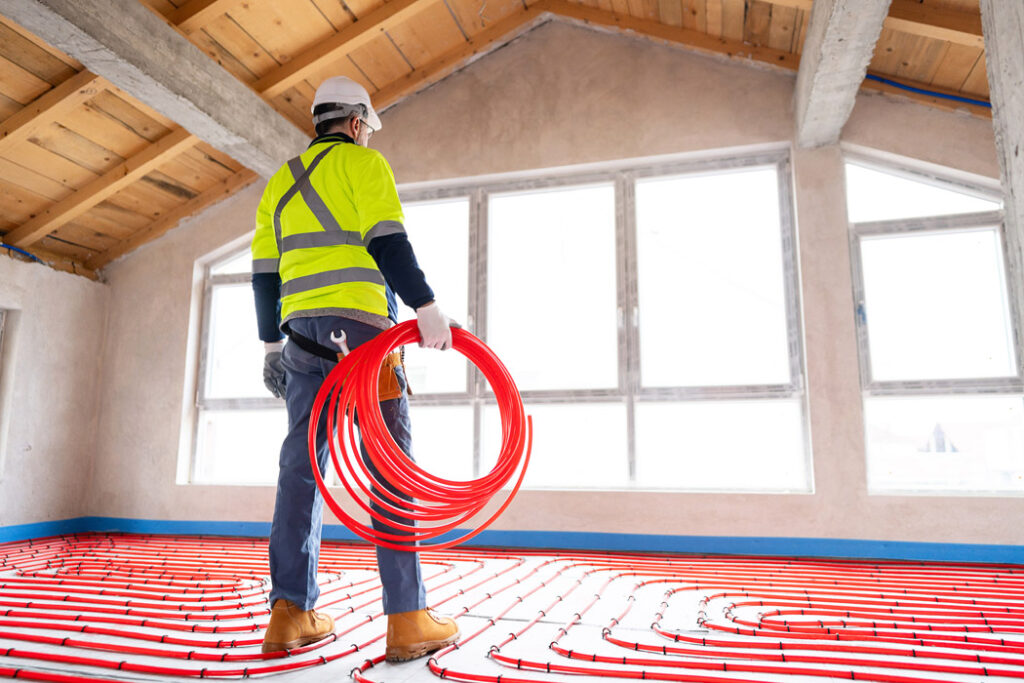
If opting for underfloor heating, consider the following, says John Allen of one-stop shop, Ashgrove Renewables.
Ask your plumber what he knows about heat pump technologies, where he is sourcing his device from, and whether he can furnish you a plan illustrating how the technology will work in your home.
If you don’t get detailed answers, employ an expert to create a custom plan tailored to your exact space and orientation.
Get suitable designs for your underfloor heating that take into consideration the size and volume of the rooms, the number of windows, and the ceiling heights. This allows an expert to tailor the system to your space.
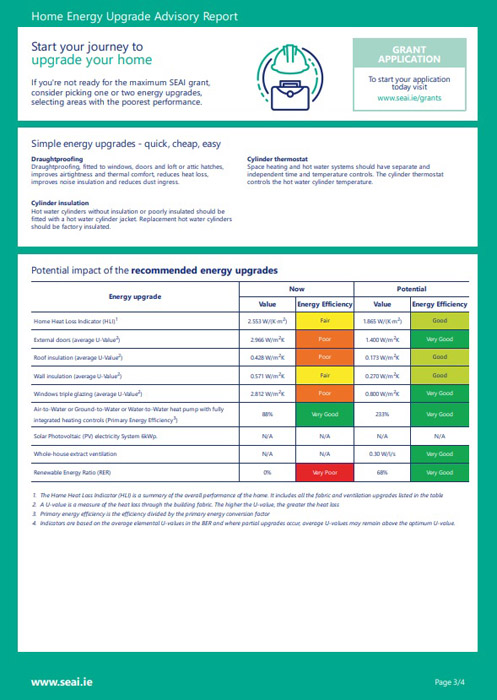
The first thing a one-stop shop will want to know is what the heat loss indicator (HLI) number on your BER cert is.
It is the most important figure professionals look at before considering heat pump installation. You'll find it on page three of the BER advisory report, as shown above.
This is the metric from a building's energy assessment that measures how quickly heat escapes through its walls, roof, floor, windows, and doors relative to its size. The best way to combat heat loss is by designing an appropriate system.
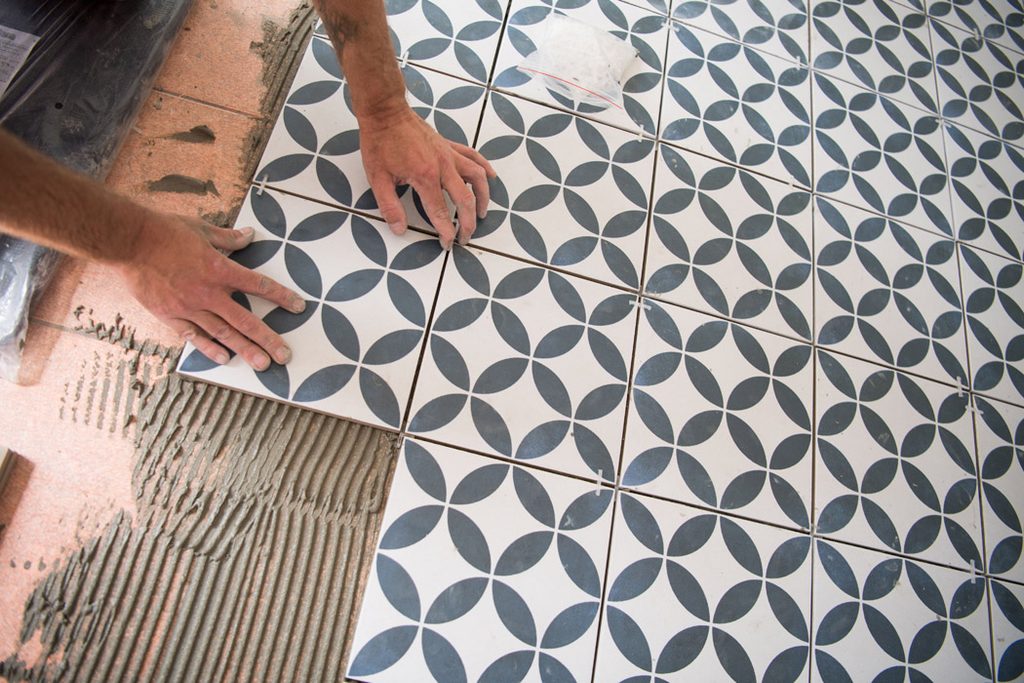
Consider your floor covering choices.
A low thermal overall grade (tog) value means heat passes through the material easily, which is essential if you use underfloor heating systems. It means the warmth can rise into the room.
Tiles, concrete, and terrazzo all have a low thermal overall grade (TOG) value.
Porcelain tiles have a negligible TOG value of less than 0.2, meaning they offer little thermal resistance.
Terrazzo flooring has an extremely low TOG value, typically around 0.1 to 0.2 because hard mineral and cement-based stones transfer heat very easily.

A standard poured concrete floor has a TOG value of approximately 0.0, effectively zero thermal resistance.
In contrast, engineered wood floors typically have a TOG value ranging from 0.8 to 1.0, depending on the thickness of the board. You will also need to factor in underlay. All of these layers are equivalent to putting a cover on a radiator. It reduces the output capacity of the heat source.
Fabric first
“The first step is to insulate the property so that it doesn’t leak heat,” says John.

The concept of 'always on' doesn’t paint a true heat pump picture, says Shane Toye, specification and consultant sales residential, Mitsubishi Electric
A heat pump isn’t on all the time. It’s on standby. The amount of power the average domestic unit uses is 8, 10 or 12 kw whereas a gas boiler will use 25 to 30 kW. A heat pump takes longer to heat up, but it comes on low and slow. One heat pump kW is cheaper than a gas boiler.
Ask questions of experts, Dermot Bannon, Shane Toye and April McHale, at the Mitsubishi Electric Ecodan Home Advice Theatre at sessions taking place at 11.40 am and 2.40 pm on Saturday, October 17th at the Ideal Home Show taking place at the RDS Simmonscourt, Dublin 4.