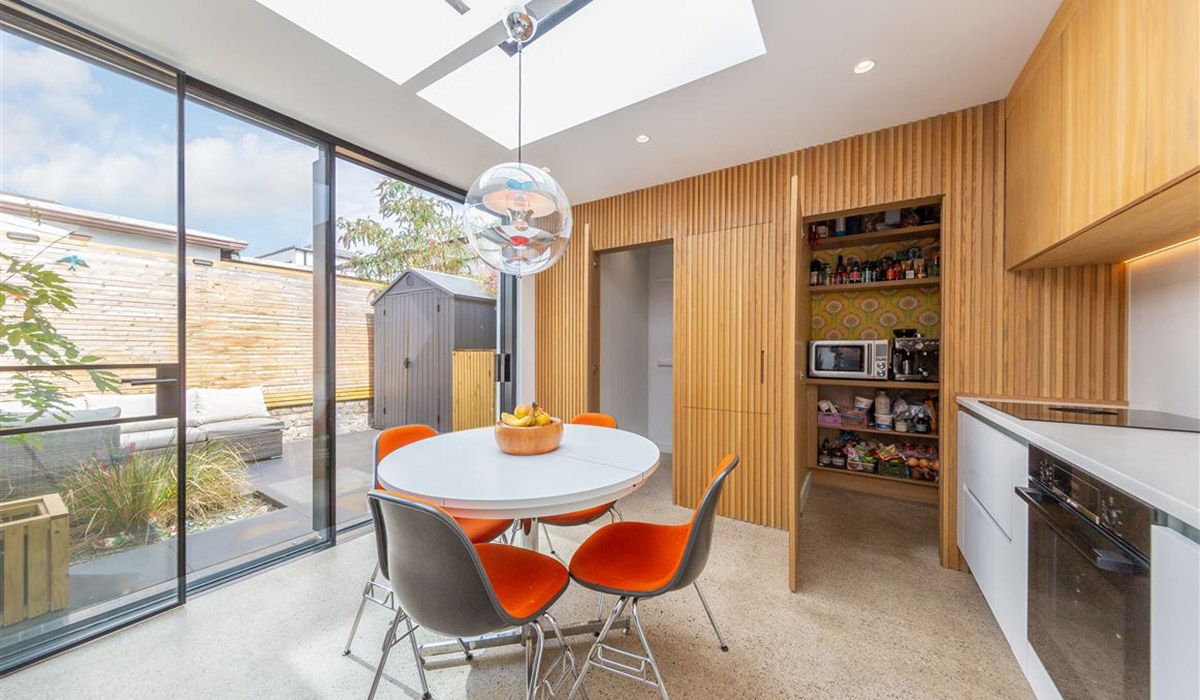
Open House Dublin offers inspiration and behind-the-scenes looks at public buildings and private homes. The tours and events are free to attend but book out fast. Here are three key premises to visit that have contributed to our nation-building.
Photography: Ste Murray
Running from Saturday, October 10th to Sunday, October 18th, the architectural festival Open House Dublin returns with a packed programme that takes you behind the scenes of some of our nation’s most pertinent buildings.
Take a boat tour of Dublin Port or marvel at the Mét Eireann building in Glasnevin, where our weather is forecast, or take a peek inside the Belgian ambassador’s residence on the Embassy Belt, Ailesbury Road.
There are walking tours and excursions into abandoned buildings as well as visits to private homes where you can see ideas executed in real life that might prompt you to try in your own abode. You can also gain access to the restricted areas of public buildings.
Here are three that show how we’ve grown as a nation.
Birth of a nation
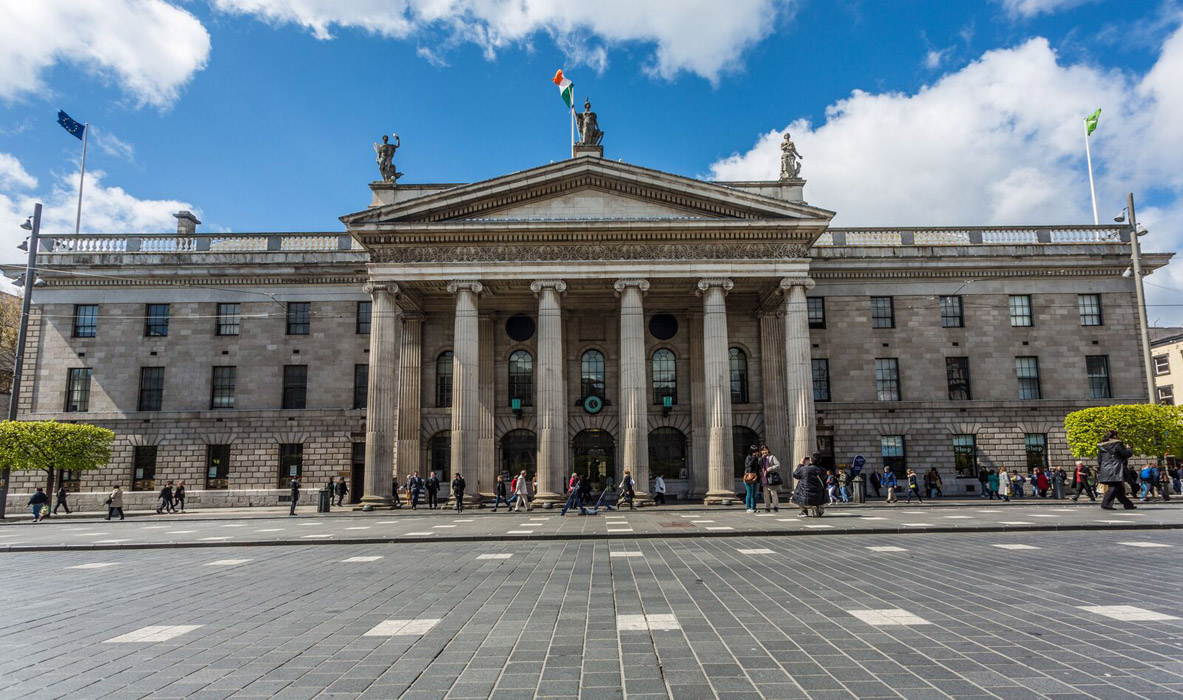
The GPO could be considered the maternity ward of the Irish republic. It is outside this building that Patrick Pearse read the Proclamation of the Irish Republic, declaring Ireland an independent nation.
You may or may not have noticed the pockmarks on its pillars, marked by artillery fire during the 1916 Rising. They’re especially visible after dark when its neoclassical portico is lit up.
Inside the public-facing part of the building is set under a soaring dome and features beautiful brass detailing and Connemara marble counters.
The tour points out all this, but the real thrill begins when you are taken behind the public counters to the private office spaces, descending into its bowels, where the GPO Museum is sited.
Here, tunnels and vaults dating back to the origins of the building, alongside numerous Art Deco and modernist features, show the many uses the building has had in modern times.
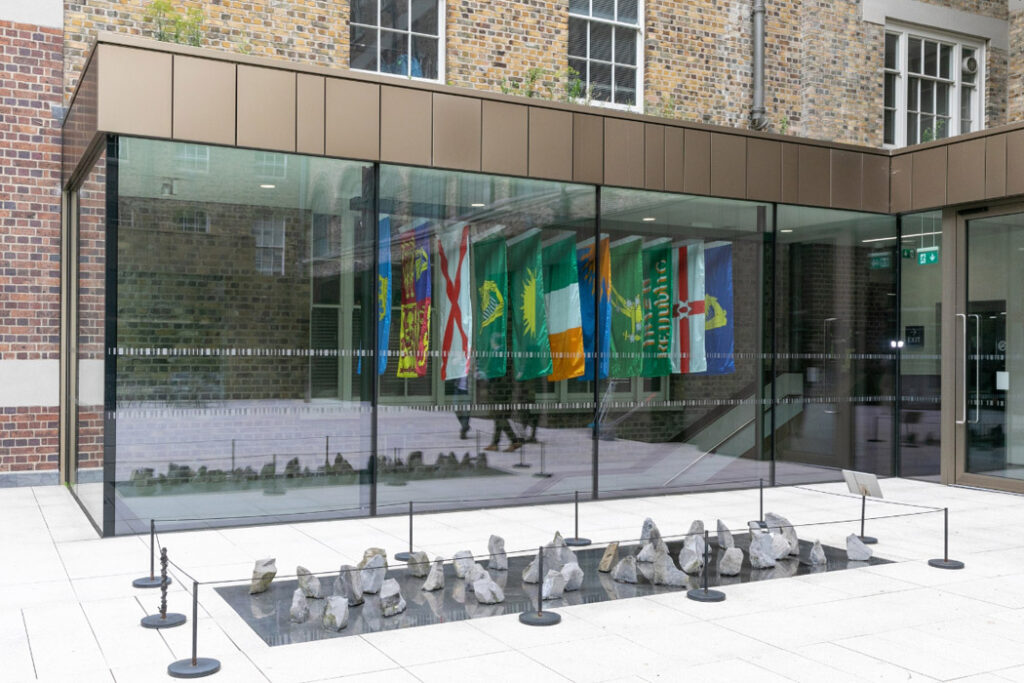
The site was shelled and gutted by fire during the rebellion but was rebuilt and reopened in 1929. Stones from all four provinces were used in the rebuild, representing all of the nation.
Since then, it has been home to RTÉ, the Department of Posts and Telegraphs, and the headquarters of An Post.
At its peak, some 2,000 staff worked in the building. Many lived on site. In 1828, there were 28 postal staff who lived in the GPO, along with all the domestic servants and the housekeepers. Book this tour here.
Centre of soft power
As a nation, we’ve grown an excellent reputation for our soft power skills. And it happens at Iveagh House, the headquarters of the Department of Foreign Affairs, on Saint Stephen's Green, Dublin 2.
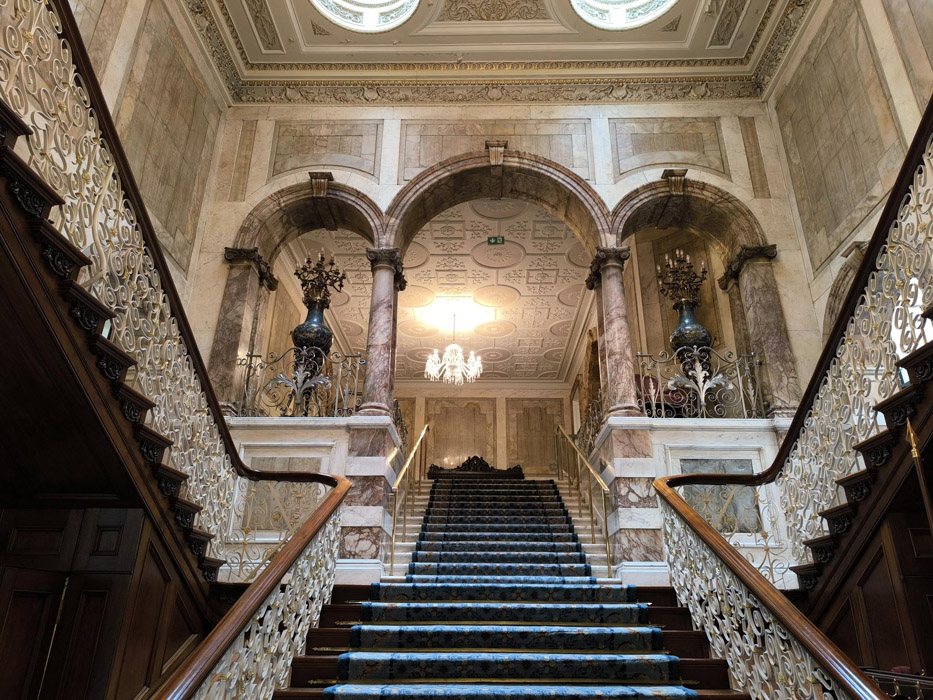
Within the walls of Iveagh House, the storied headquarters of the Department of Foreign Affairs, you can walk in the footsteps of presidents, prime ministers and monarchs. It was built in 1736 to a design by architect Richard Cassels for Robert Clayton, the Protestant Bishop of Cork and Ross. It became a house of Guinness, one of two adjacent townhouses purchased by Benjamin Lee Guinness in the 1860s, and remodelled by architects J.F. Fuller and Benjamin Lee Guinness into a single expansive residence.
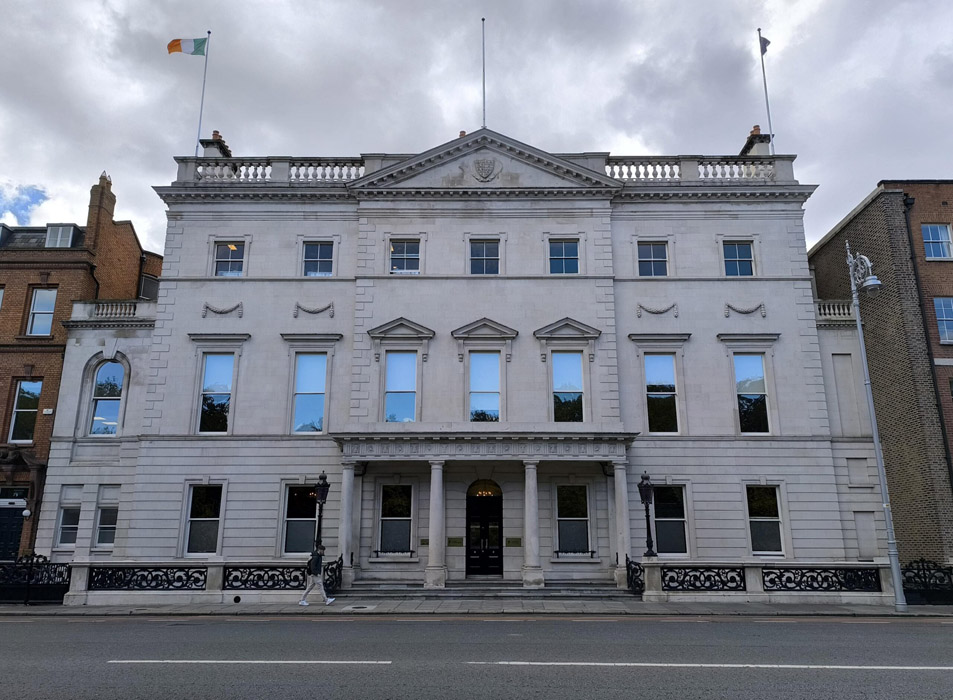
In 1939, his son Rupert, second Earl of Iveagh, handed over the property to the Irish State to be used as the then Department of External Affairs. Marvel at the double staircase, the ballroom and the dining room, along with the Minister’s ante-room and the old library.
Take a moment too to consider the diplomacy at work by its staff. Book this tour here.
Future-proofing our arts
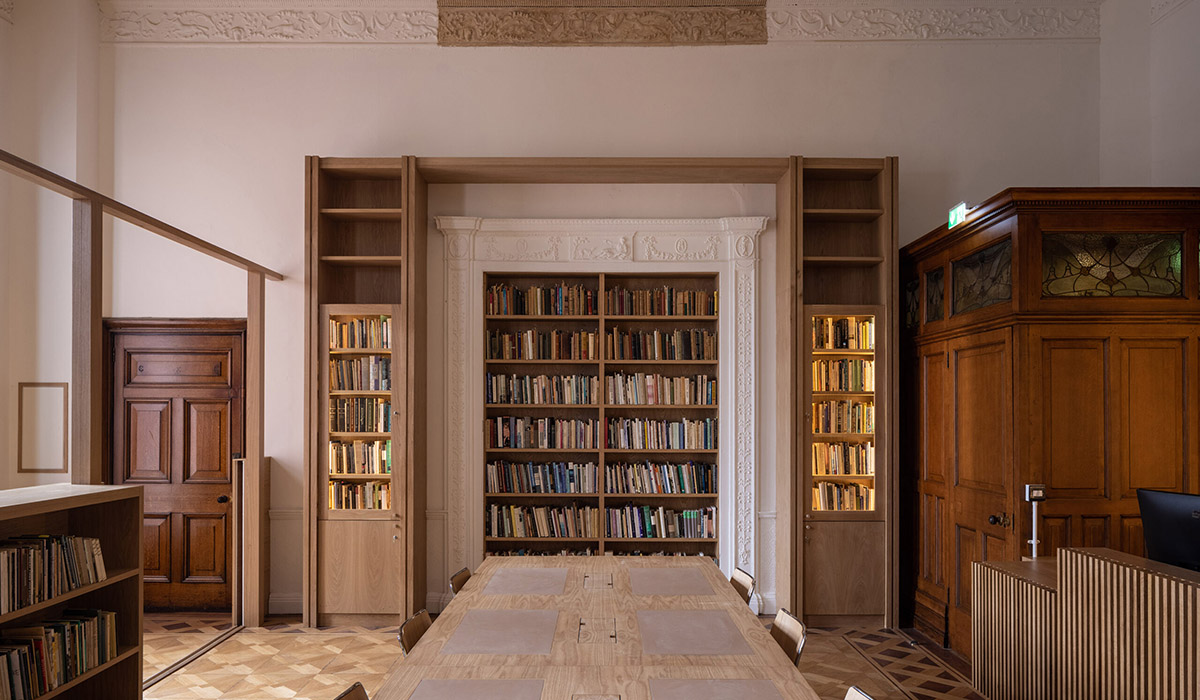
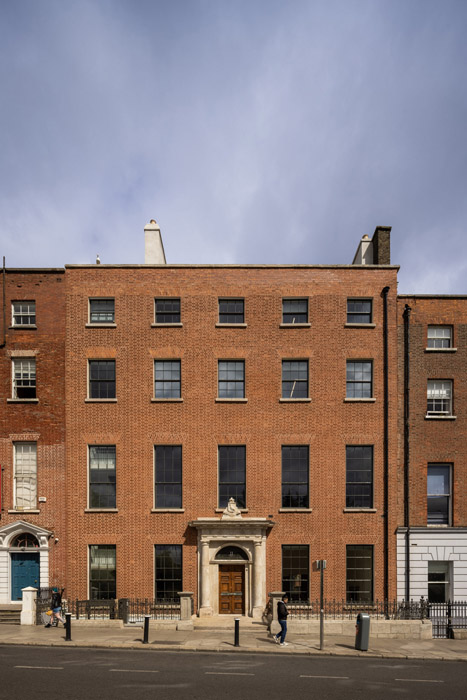
Parnell Square is in a state of metamorphosis. Step into its new phase as a cultural quarter by booking a tour of Poetry Ireland, which, alongside the Irish Heritage Trust and the Irish Landmark Trust, calls number 11 Parnell Square home.
Dating from 1758, when this part of the city was the most desirable place to live, architects McCullough Mulvin was charged with maintaining not just the 18th century origins, and the Victorian interventions that were made along the way, while also future proofing the property.
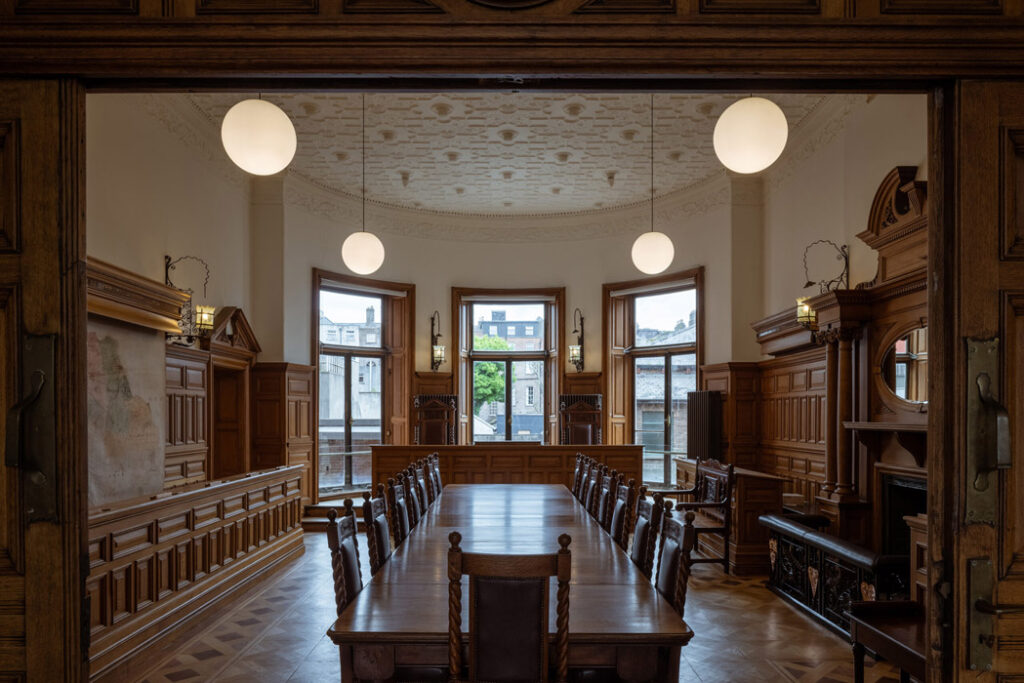
The firm has already overseen heritage projects such as the Butler Gallery and St. Mary’s Medieval Mile Museum, both in Kilkenny city, Merrion Square Studios on Dublin’s Fenian Street, which operates as self-catering apartments, and what was the Central Hotel, now Hoxton Dublin.
The refurbishment and restoration cost €5.5 million, made possible by funds (€3.9m) received from the Urban Regeneration and Development Fund (URDF) under Project Ireland 2040. A further €1.55m was secured for the project by The Irish Heritage Trust and Poetry Ireland from philanthropy and other sources.
Number 11 Parnell Square can also be viewed by the public by making a request in writing. It is open for Culture Night and is one of the building tours you should book for this year’s Open House. You can book this tour here.
For a full list of the 2026 programme, visit Open House Dublin.