How a shuttered rural pub became an all-weather garden school in the windswept wilds of west Mayo, where you can learn how to grow your own fruit, veg and medicinal herbs.
A recent report makes sobering reading. In the last 21 years, one in four Irish pubs have called time on their premises.
The report, compiled on behalf of the Drinks Industry Group of Ireland (DIGI) by economist Anthony Foley, shows that since 2005 an average of 110 pubs stopped trading every year over the last two decades. That’s 2,205 premises.
But some of these premises are being rehabilitated. With the purchase of a lounge bar in Tonragee in west Co Mayo, an organic gardener has sown the seeds of a brand new business.
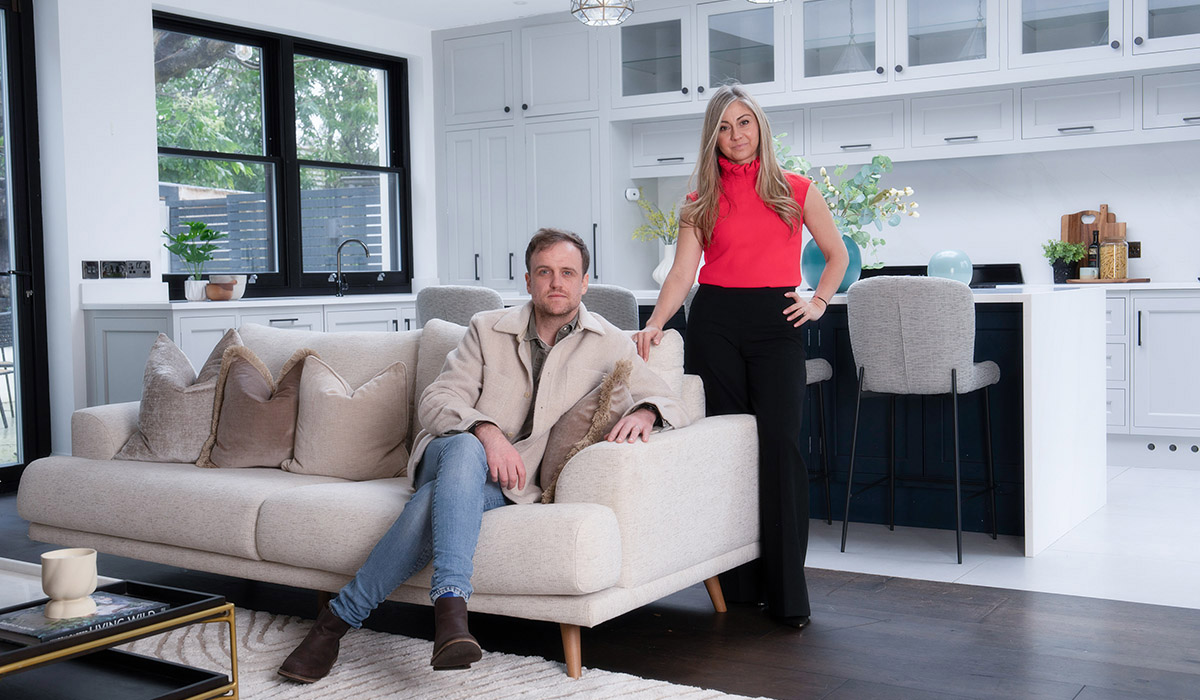
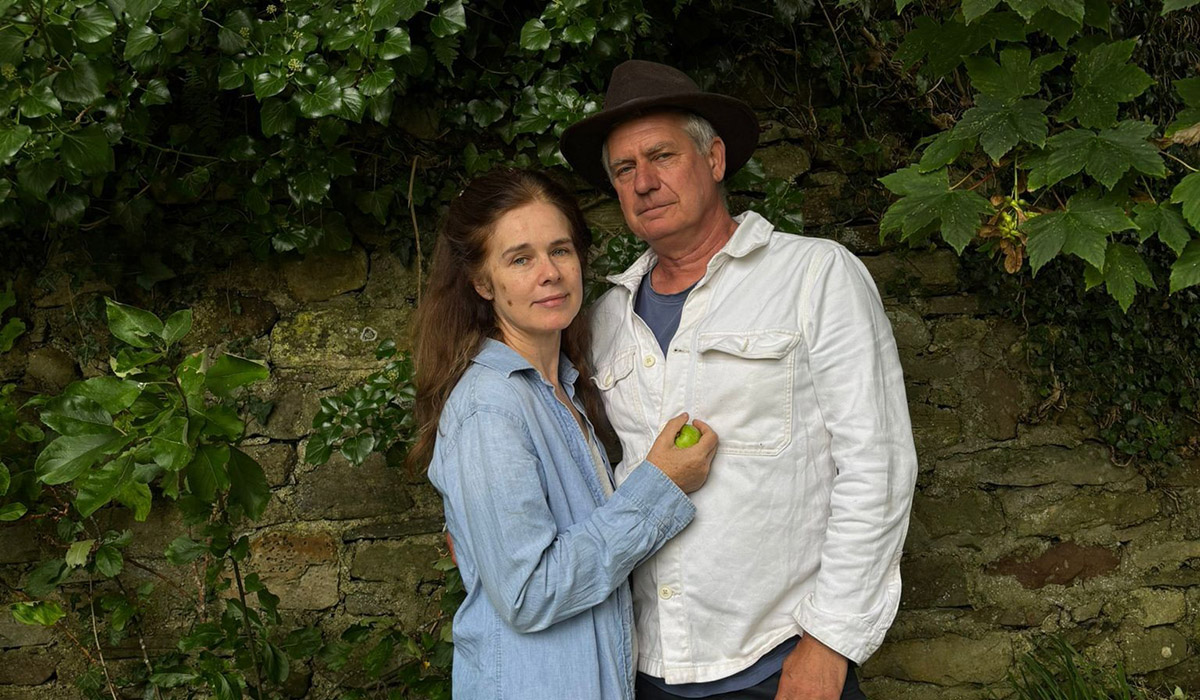
Gardener and author Klaus Laitenberger, together with his wife Joanna, bought The Way Inn, a landmark licensed premises, two years ago.
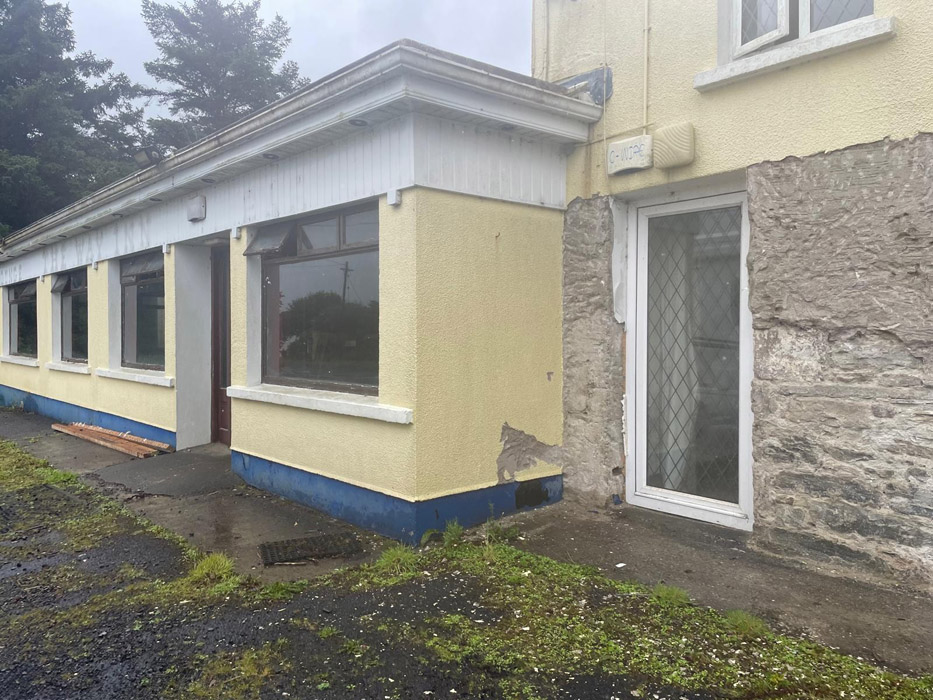
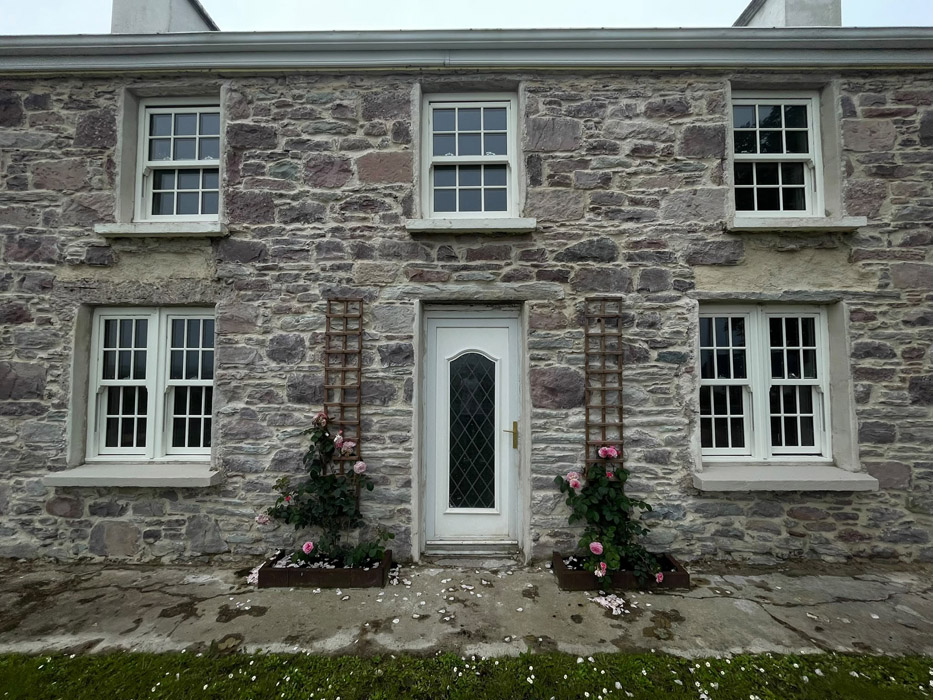
The six-bedroom property had an attached lounge bar and dance hall. It had a concrete-rendered front painted primrose yellow, with concrete plaster inside the Currane stone construction.
Klaus moved from Schwabier in Germany, outside Stuttgart, to Ireland to become head gardener at The Organic Centre in Rossinver, on the Co Leitrim border with Co Fermanagh. It was here that the horticulturalist met his wife, Joanna.
In the decades he has spent living here, he is now níos Gaelaí ná na Ghaeil féin and has also authored several books, including the best-selling Vegetables for the Irish Garden, which has sold more than 25,000 copies.
The couple has spent the last two years working on the property.
“Joanna single-handedly stripped the plaster, in the wind and the rain on scaffolding,” he recalls.
When she isn’t working on the house, she is running the family’s online seed company, Green Vegetable Seeds, which supplies vegetable, herb and flower seeds to gardeners across Ireland.
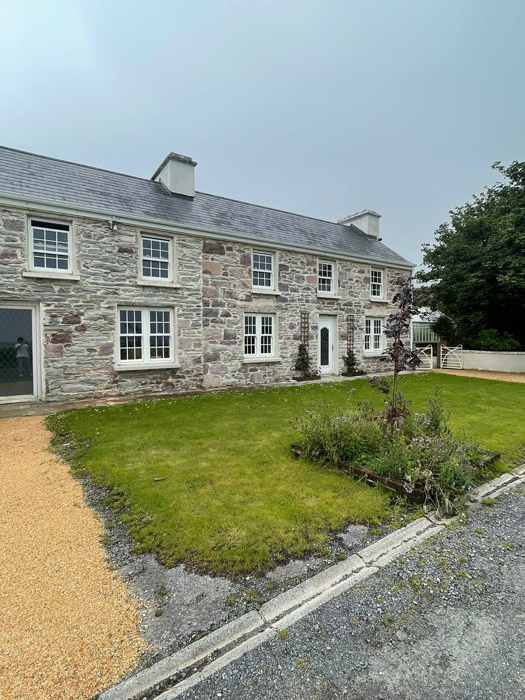
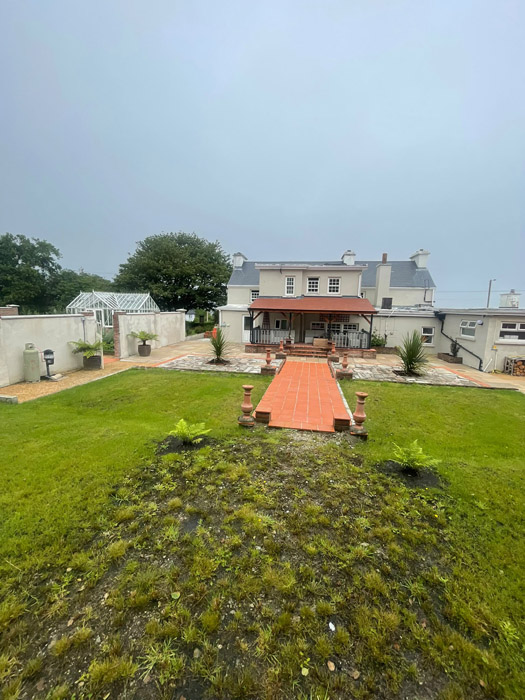
Now the exterior shows off its red sandstone, which has been lime-pointed inside and out. They also opened up the interior.
The part of the home that is open to the public is, fittingly, in the former public house.
The organic gardening education centre and edible landscape project, Tilled Earth, is in the heart of the village of Tonragee, which is located between Mulranny and Achill Sound along the Wild Atlantic Way.
Like many western seaboard villages, Tonragee does not resemble a traditional village but appears rather as a cluster of houses.
The property was once the centre of the village. A lively social hub, known for music, dancing and gatherings, the building also housed a shop and post office.
These amenities have been lost to the local community.
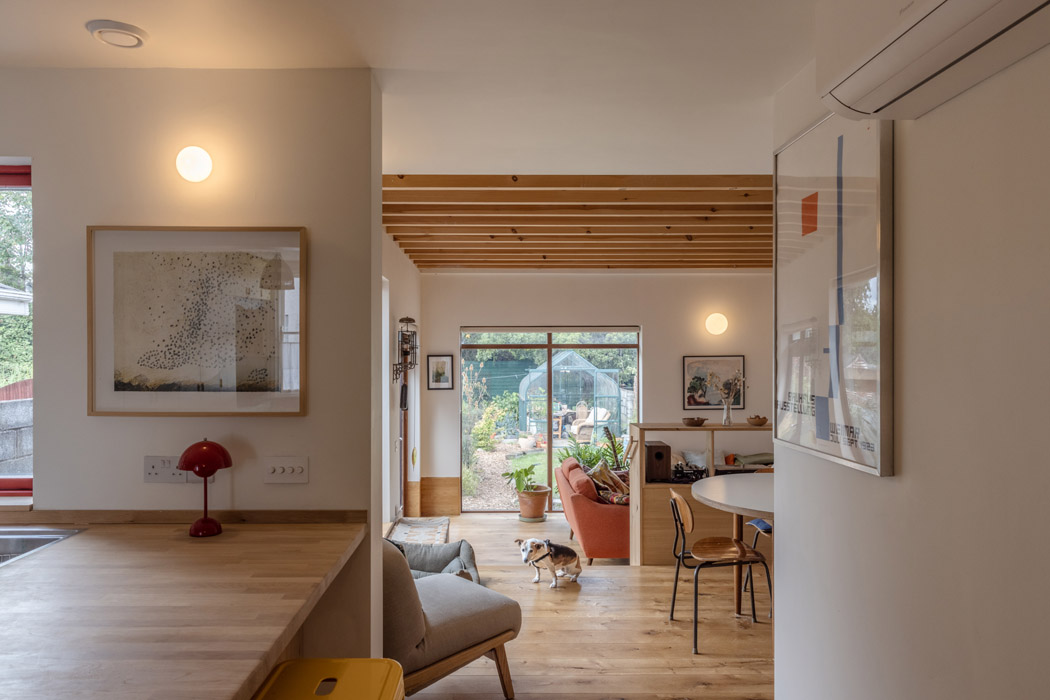
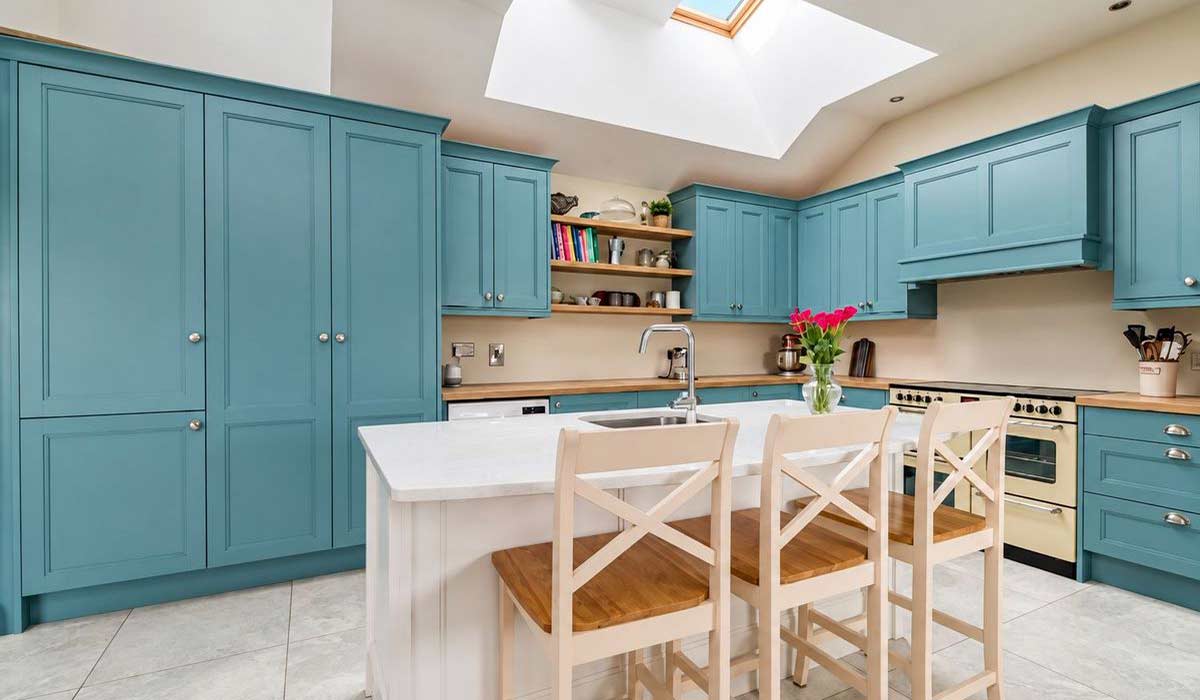
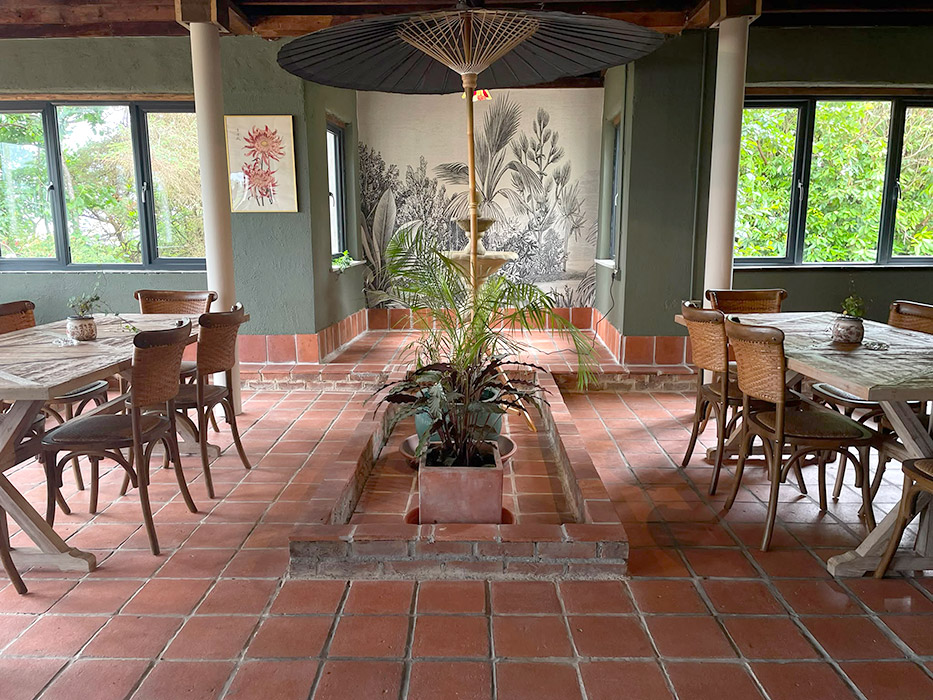
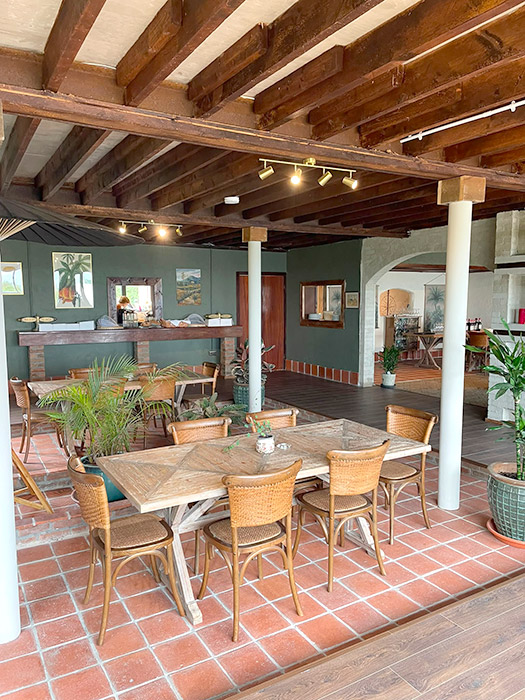
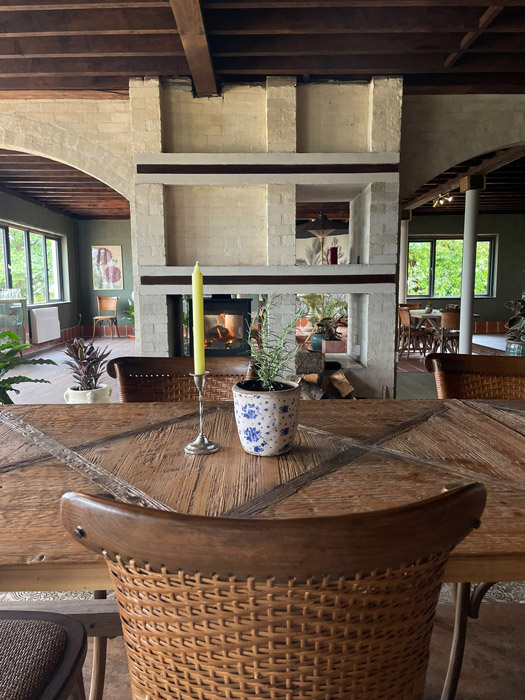
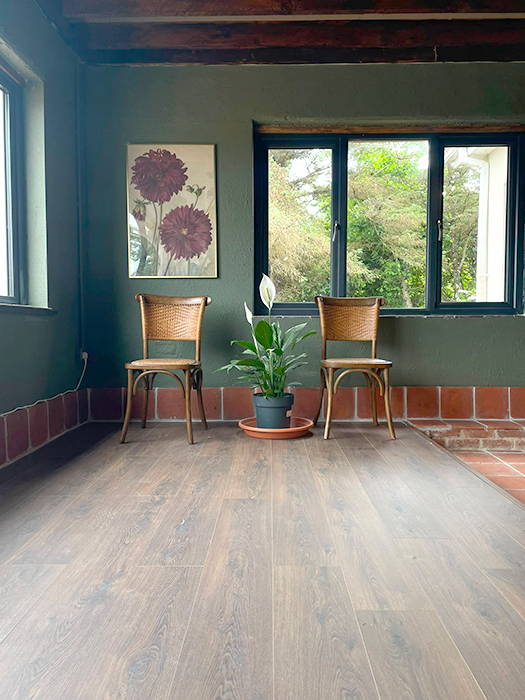
The lounge bar has been transformed. The 1970s brown brick detailing has been washed in lime to create a hacienda vibe. A double-sided solid-fuel stove provides a warm and welcoming focal point.
Support columns fabricated by Hayes Engineering in Ballintubber, Co Mayo, create a frame around what had been the dance floor, which is down a step.
Underfoot is a terracotta square hand-pressed clay tile, made in Co Laois by Dineen Sales.
He applied linseed to it and then beeswax to age it so it looks like it’s been there forever.
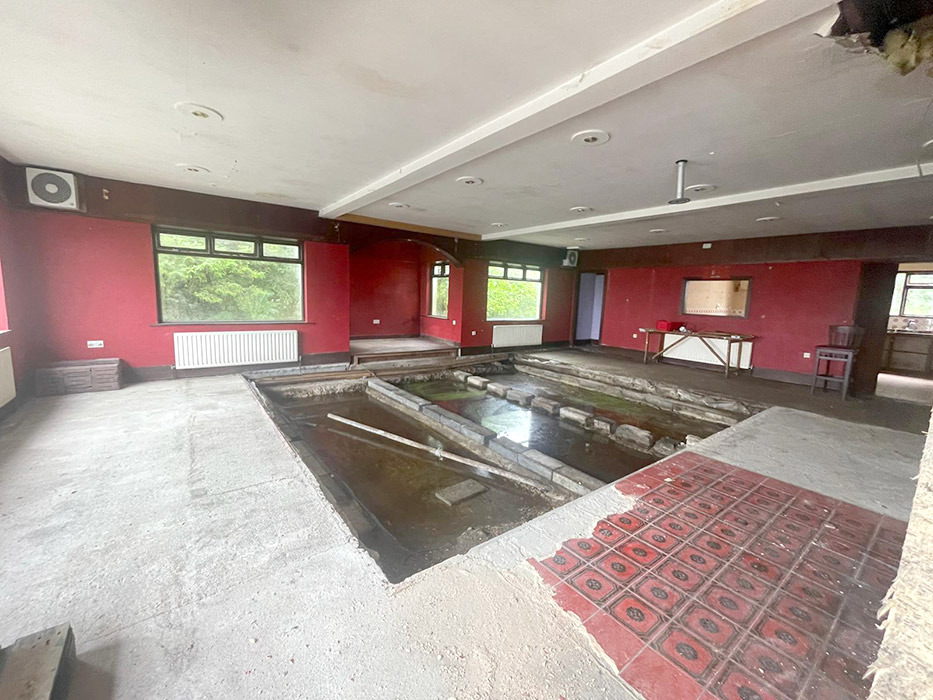
The dining area is furnished with tables and chairs from Linen Mill in Westport.
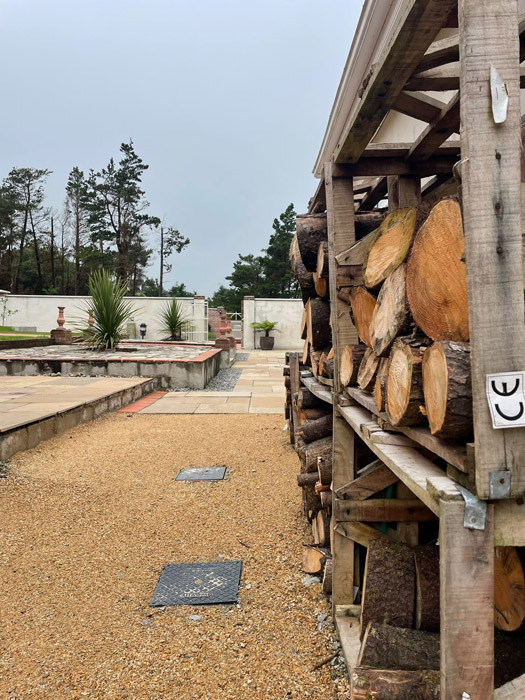
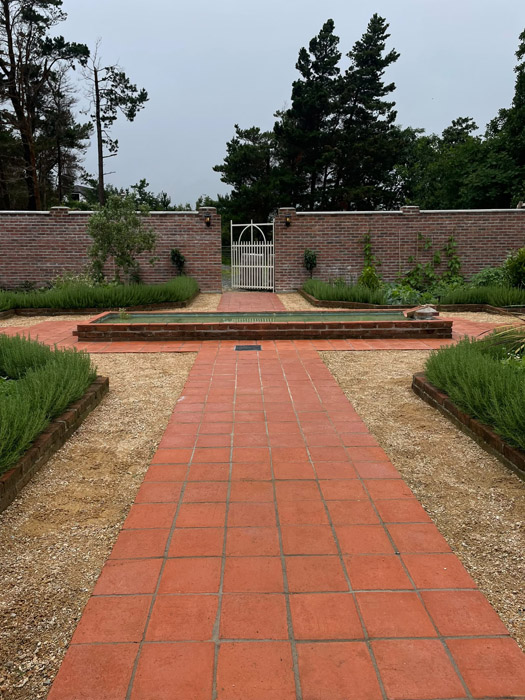
The same tile is used in the garden, part of which is walled in a red brick called Cassandra, which is made by Wienerberger.
The couple’s son-in-law Warren Connolly of Connolly Landscapes did all the structural work for them and was invaluable.
"He helped out two to three days a week. Without him, we couldn’t have done anything."
Tilled Earth aims to help people rediscover the skills needed to grow vegetables, fruit, herbs, edible flowers and medicinal plants in their own gardens, creating what Klaus describes as a 'natural medicine cabinet in the garden’.
You can sign up for a class, tour the enterprise and learn.
Klaus also teaches gardening and food growing at the College of Natural Medicine in Castlecomer, County Kilkenny, and runs gardening courses throughout the country, including at Ballymaloe Cookery School and other educational centres.
The dance hall is now an indoor classroom cum dining room where students pay to attend half- and full-day classes on a range of subjects from growing in greenhouses or polytunnels, €125; how to start a fruit garden, €80; composting workshop, €30 and growing and using herbs, €160. Many include lunch.
“We want to show people that growing food is something everyone can do,” says Klaus.
“It connects us with the earth, with the seasons and with the food we eat.”
The Mayo soil has proved fertile for aronia berries, a superfood that contains more antioxidant plant compounds than blueberries, açai, or pomegranates.
It is still a work in progress. In the house, the number of bedrooms has been reduced to four, and in time they hope to be able to accommodate those taking classes. For now, visitors can stay overnight in either Mulranny, nearby Currane House or in Achill Sound.
There’s a garden tour taking place next Tuesday, September 8th from 10.30 am to 1.30 pm, taking in the walled garden, greenhouse, woodland, forest garden, medicinal herbs and orchard with a composting demonstration and a talk on building soil fertility. This costs €50 and is followed by a relaxed home-cooked lunch. More information about seeds, gardening courses and events can be found at greenvegetableseed.com