A more nuanced approach to lighting design is a very effective way to create calm and restful spaces, explains Sanjit Bahra, principal of Design Plus Light, who shows us around two London projects.
Life is over-stimulated, says designer Sanjit Bahra, principal of Design Plus Light. This firm has been working with the Irish aparthotel brand Staycity as it launches its elevated brand Wilde across Europe. The company has completed premises in London, Liverpool St, Amsterdam, Lisbon and Vienna.
In the residential side of the business, he believes houses and homes should be more of a sanctuary. “It should be simple, intuitive.”

A lot of thought goes into making it all simple so that all you have to do is press a button and get on with your lives, he explains. “You shouldn’t need to have a degree to operate your lighting system. Professionals get too excited by it.”
He feels the physical state of darkness and its inseparable companion shadow are precious. “Our human experience is so overly lit, it can feel like Piccadilly Circus.”
There are so many interfaces to navigate. "Simple considered lighting will make you feel calm. Your nervous system needs it."
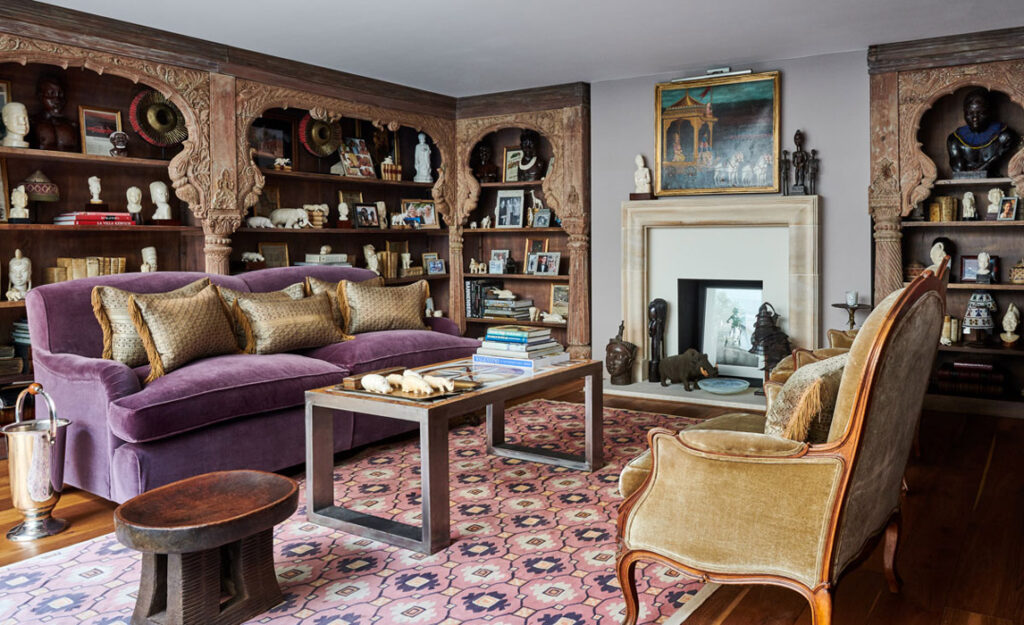
In Marc and Heather Weaver’s place, they wanted it to be a home, not a showroom, he explains. Darlings of the London décor scene that ran the now-shuttered second-generation Guinevere, a Chelsea-based antiques emporium.
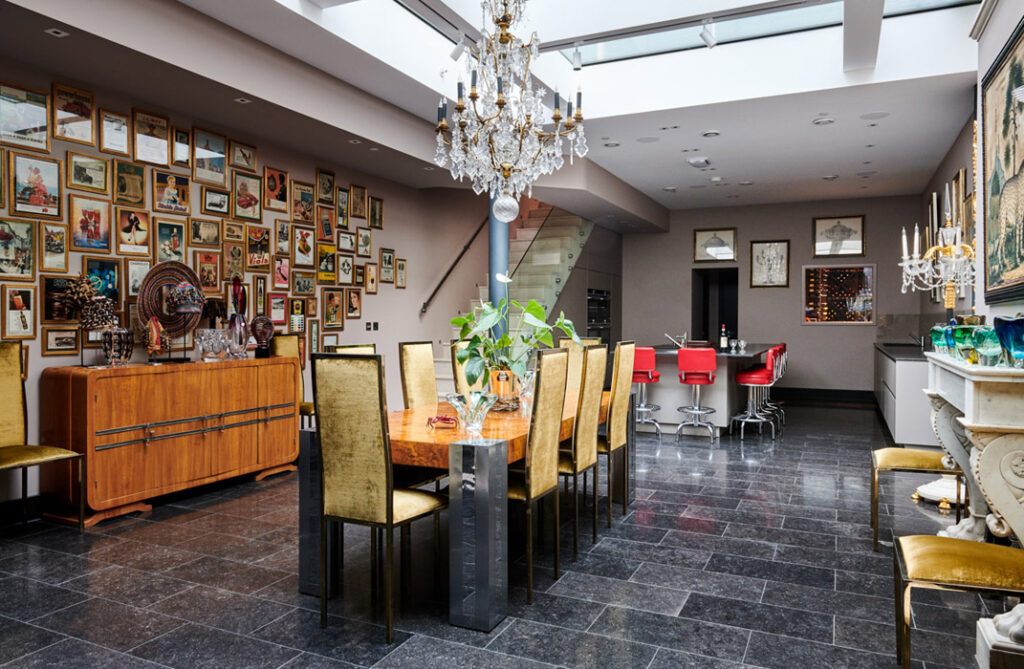
The decision was made not to light every piece as you would in a retail space. Otherwise, the furniture, objects, and art would compete for attention.
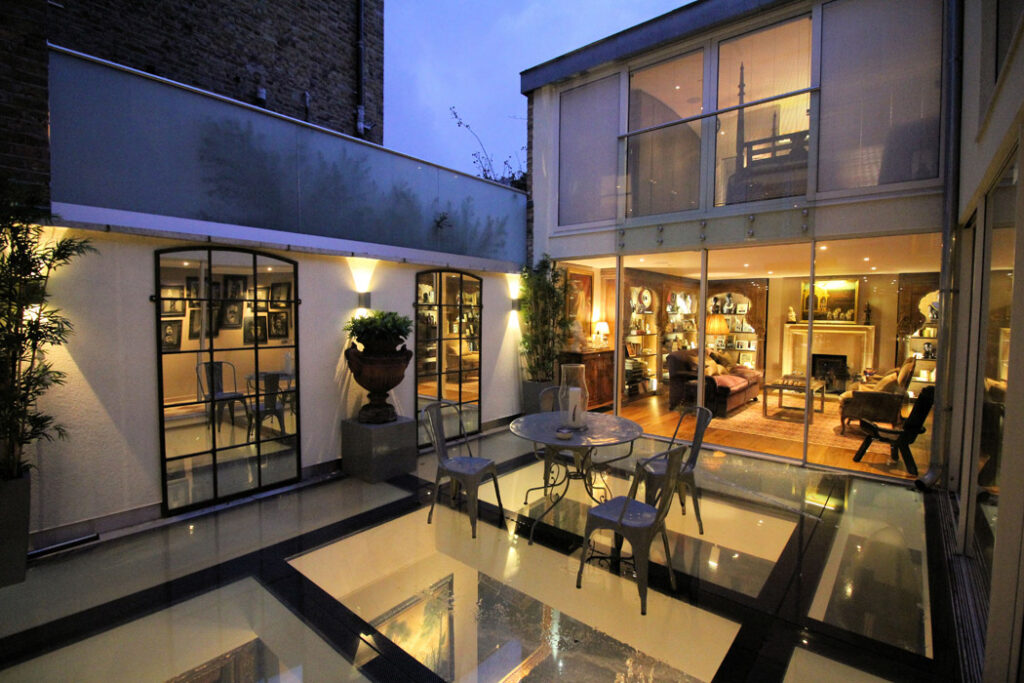
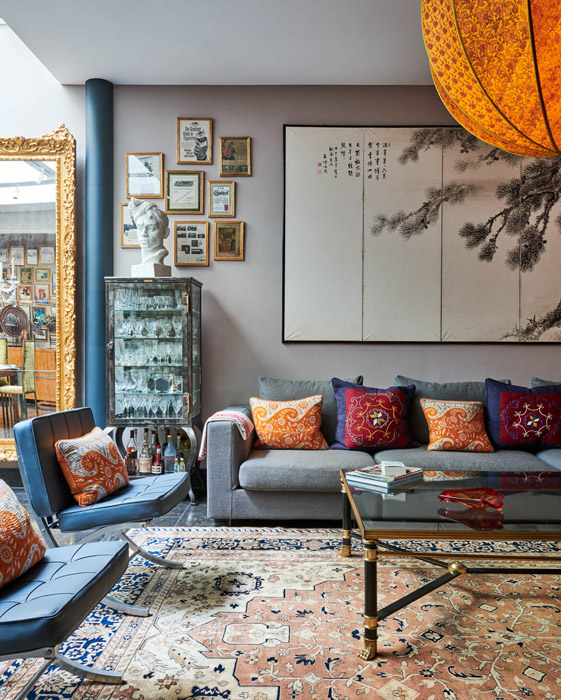
Built around a glass courtyard, we had to balance light during the day and at night. Glass at night becomes reflective like a mirror. You need something beyond it, a light on the wall outside, for example, so that you see past the glass.
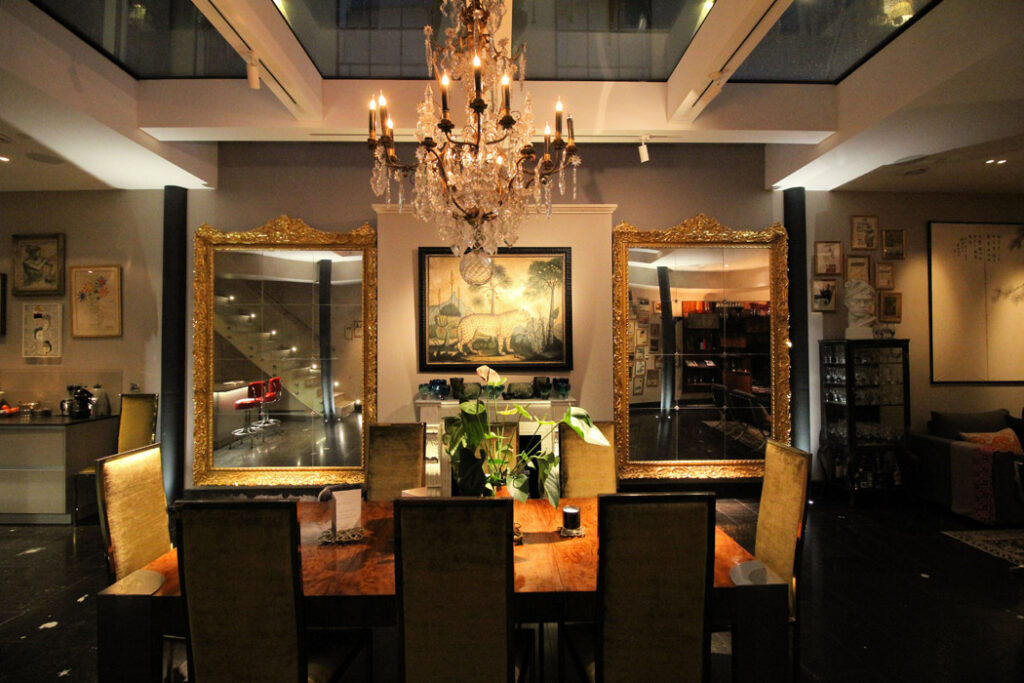
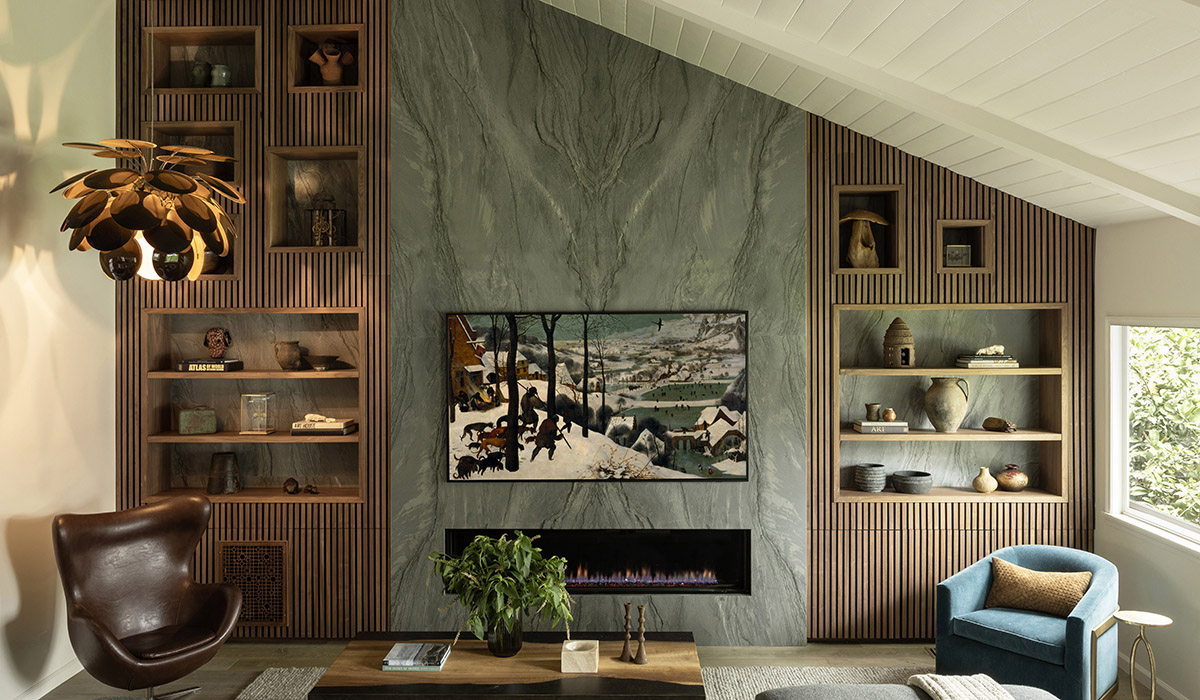
The kitchen, dining room and lounge all flow one from the other. It was wired as three different zones.
The kitchen had to be lightened so it didn’t feel gloomy. Didn’t want the light to be visible, save in some way to light the art, the table and the fireplace.
Spots on either side of the table brought in illumination to directly light the table, so task lighting isn't needed. The chandelier suspended overhead radiates a soft glow.
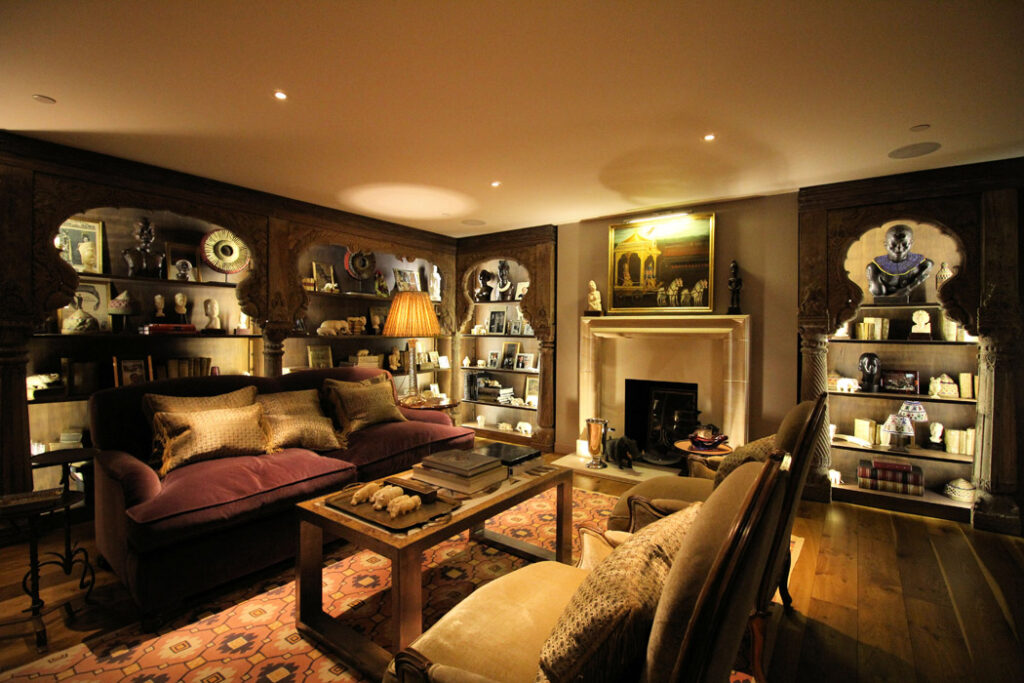
A spot set into the floor, just one watt strong, draws attention to the fireplace, he says. "You might not want it on at 6 pm but would like it on at 11 pm. Uplighters on the columns throw light onto the ceiling."
LED lighting is a technology, not physics. "It used not to be as complicated as it is now. There are many different variations of LEDs, some dim. It’s a fluctuation in how the current works rather than a heated filament or gas-filled tube. When you dim some brands, they start to flicker."
Go for reputable brands like Philips or Zico, which have been around for a long time and have invested in their LED technologies, he counsels. They also offer the full range of options in both screw and bayonet options. Make sure you use the same product manufacturer in your wall, pendant and table lights so that they all do the same thing at the same rate.
There is a technology to dimming. A five-watt lamp from one company dims at a different brightness than another. Dimming to 20 per cent visually will all dim differently.
By having access to the full range, you get the full colour range of temperature options from warm to cool. When you dim some warm LEDs instead of getting a warm golden glow that you would have with Tungsten, the light feels grey and empty. Before you buy, check if the brand you’re buying from has warm dim technology. It might cost €1 more but will shift the mood at home.
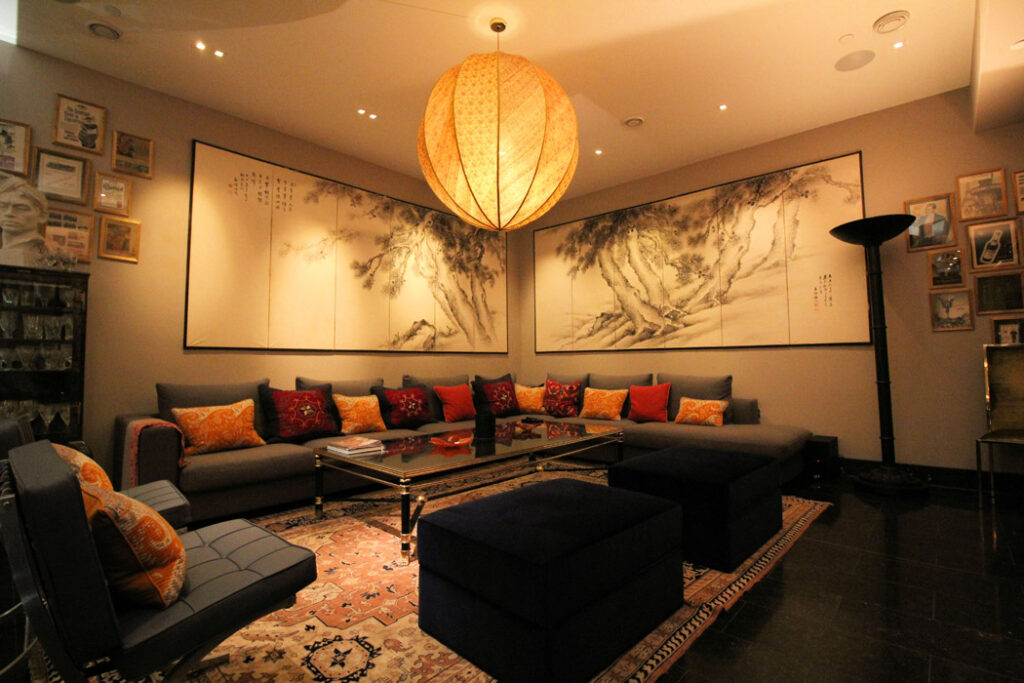
Also invest in good-quality downlighters that also have warm dim technology. Your home will feel like it did 20 years ago. It reduces the blue light in LEDs and is healthier for your eyes.
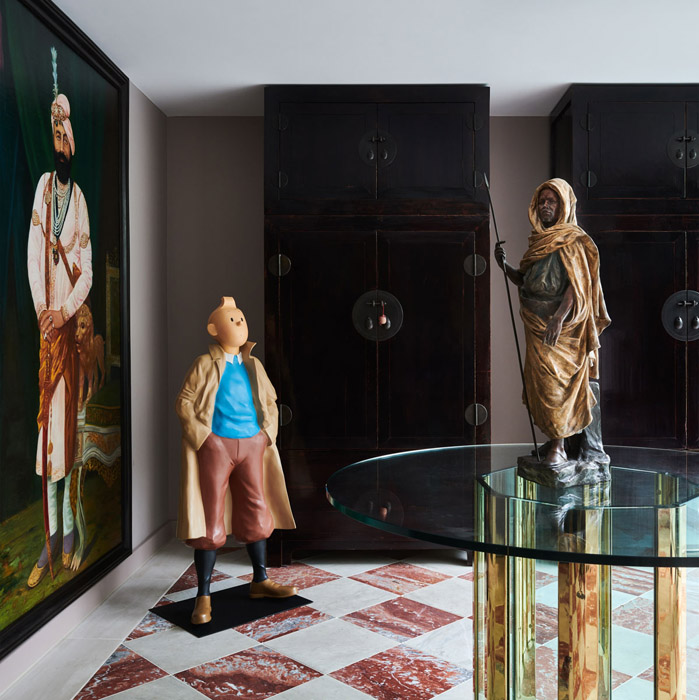
"Ask yourself, where do I want to put my statement lighting? What is my task lighting, where will the spots go? What are the highlights in the space? And what about the space in between? If in doubt, leave it out.
"Also, do I need to have an app to control it? Not every space needs it."
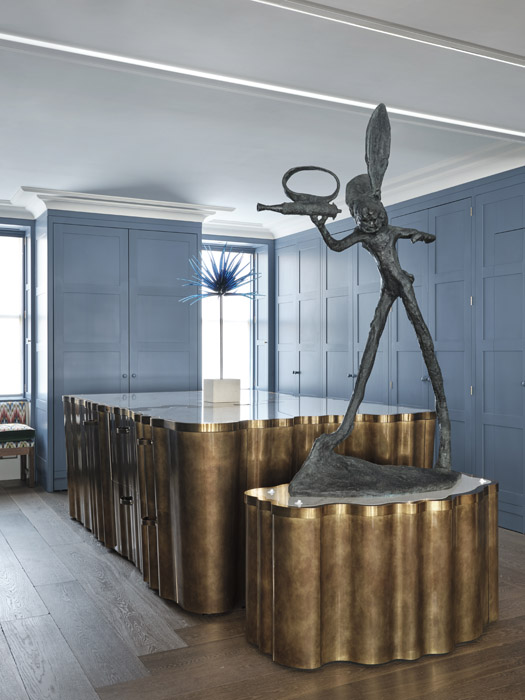
An art-lover’s apartment
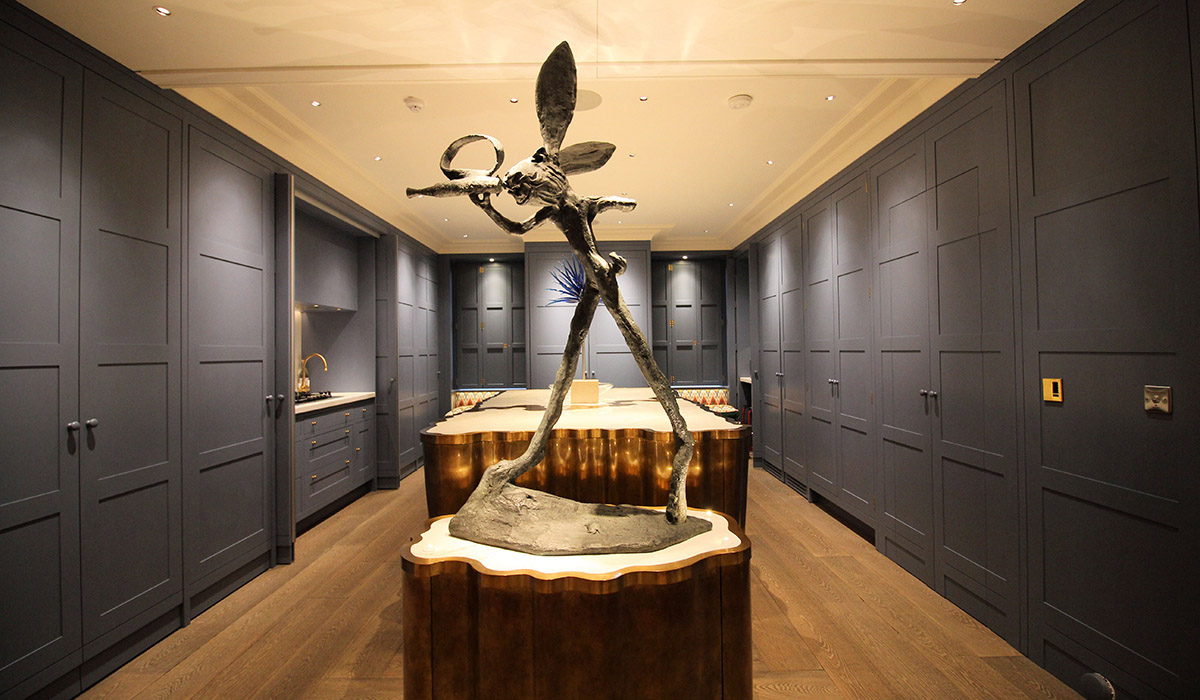
The Cindy Leveson-designed apartment on a traditional square, the kitchen looks like a film set, he says. All these dramatic blues with shelving lighting in the base and at the top. The whole thing looks like a museum.
Leveson wanted it to look like an art installation rather than an island, as you can see it from all angles when in the enormous open-plan drawing room/dining room.
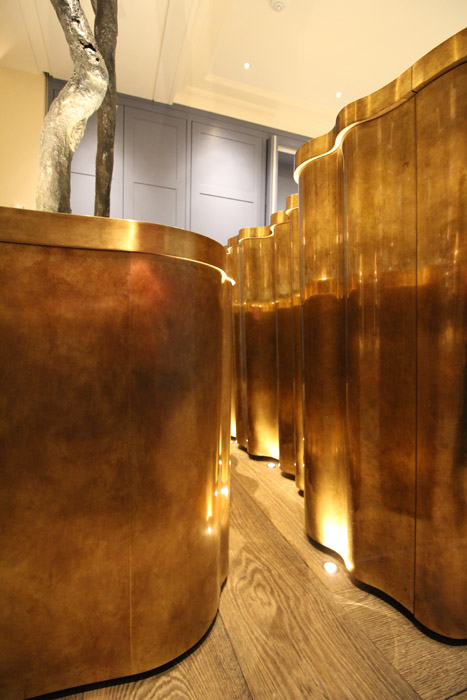
The kitchen island was probably the most challenging piece to be made, but Rupert Bevan rose to the occasion.
Classic contemporary on a traditional square. Wanted open space.
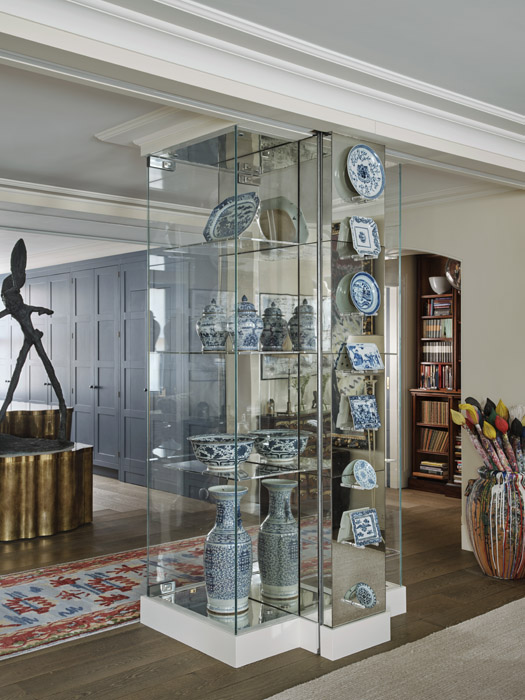
It features bespoke canvases clad with gold-sprayed glass. Inspired by Petra, she wanted it to be geological, as if carved out of stone, made of brass with a fire curtain between kitchen and living areas. A mesh screen drops down, and it keeps smells out of the living area and lets staff walk around unseen.
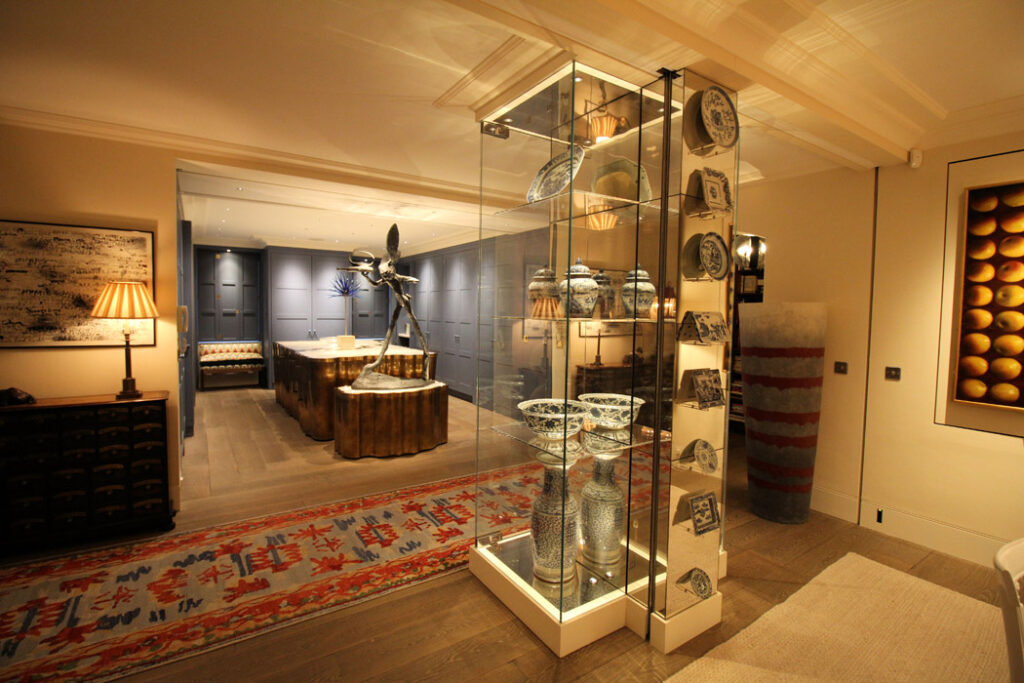
The blind is lit so that when entertaining, fibre optic lights in the base come on. It looks effortless.
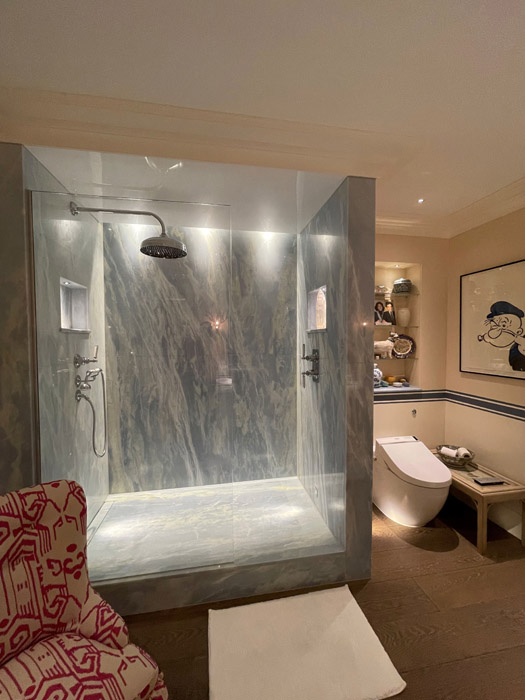
Flattering lighting in the shower
Concealed spots in the shower cubicle of blue vein marble mean there is no direct light on you. A cooler colour light temperature was used to bring out the blue. You’re not lit, but there’s enough light to see everything.
To see more of Design Plus Light’s work or to contact Sanjit, click here.