
Whether you're a first-time buyer on your own, or you and your partner are looking to move up the property ladder -- getting a mortgage in this day and age is increasingly difficult.
While 20 years ago during the boom, it appeared that people could just walk into a bank, ask for a mortgage of any size and get it on the spot -- nowadays you need to be increasingly savvy, prove that you're able to save, and, most importantly, show that you can keep up with mortgage payments over the period of the loan.
But how exactly do you get a mortgage, and how should you get your money in order before you get the keys?
What to expect before applying for a mortgage
You'll probably see a lot of stories about how a young couple in their 20s managed to get their home in six months, or how someone cut out all the fun parts of their lives to save up for their deposit and move in within a year. It's important to note that those are rarities.
While you'll see other people getting the keys to their new home with ease, you should not compare yourself to them, and also remind yourself that some people are fortunate enough to have access to additional funds -- be they from the bank of mam and dad, a substantial raise/bonus in work, or a once-off payment like inheritance.
If you're able to avail of them, then great -- more power to you. But the vast majority of people will have to work to save every penny possible.
Your job also doesn't come into account, outside of what you make. Sure, you might save lives for your job, but unless your monthly income reflects your ability to repay the mortgage you're looking for, forget it.
Unfortunately, you don't gain additional purchasing power due to the nature of your job.
What you need is to be mortgage fit.
Getting mortgage fit
While the joke always is 'just stop paying for cappuccinos and avocado toast', there are things that banks will look for that could impact your chances of getting a mortgage.
This is why it's important to cut out some *ahem* less desirable payments you may be making.
An ability to save as well as an ability to pay rent is a huge part of being mortgage fit.
While it's always been a stickler for some people who point out that their rent is more than some people's mortgages, banks will look on the additional savings as a good sign that you will be able to pay your mortgage and still have money left over.
Since you'll need to have six months' worth of bank statements when applying for a mortgage, it's important to save during that period (and even for a bit longer than that).
Payments such as those made to Buy Now, Pay Later schemes, or loading money into gambling sites may go against you when applying for a mortgage -- so it's best to stamp out those habits before applying.
You should also make an appointment with a mortgage broker to discuss your options when looking to buy.
They will be able to give you an idea of what you can borrow, and flag what changes you'll need to make to get in mortgage shape.
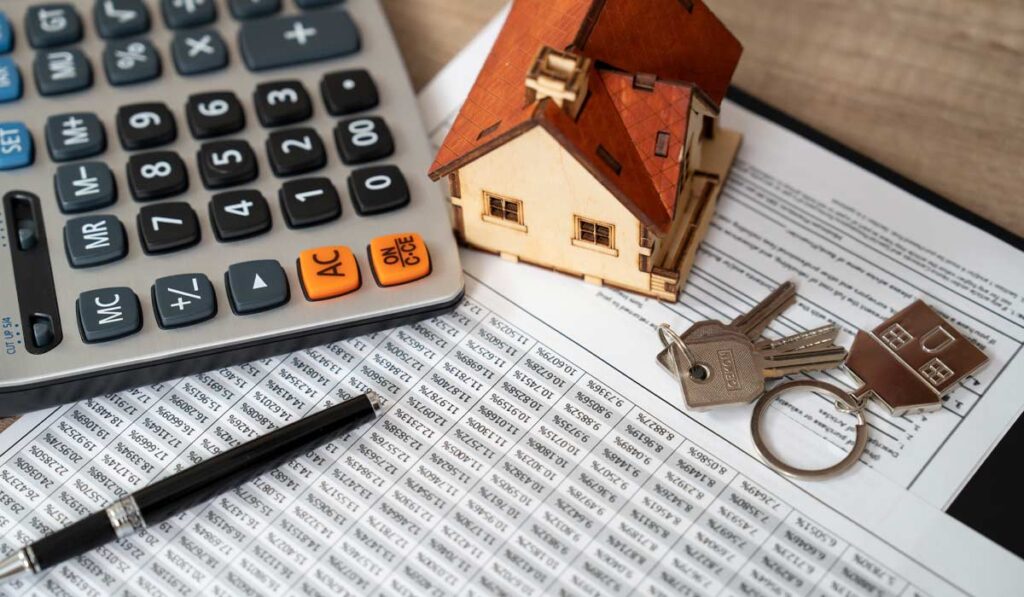
Documents needed
You'll need several documents when applying for a mortgage:
- Proof of ID - drivers licence, passport, etc
- Proof of Address - utility bill/bank statement
- Proof of Income - salary form completed by your employer, payslips from your employer, Revenue Employment Details Summary (if you're self-employed/freelance, you may need additional documents i.e. business accounts/tax returns).
- Bank statements that need to be at least six months up to date
- Any debts you may have, such as outstanding loans or credit card debt (it's also advised that you have them cleared before applying to make things easier and show you can pay back money on time!)
It's best to have these ready to go ahead of applying for the mortgage.

Starting to look at homes
It's a good idea to start looking for a home at around €30,000 below what you think your initial price point will be.
However, you'll need to set yourself up for disappointment at the calibre of homes that might be on the market for those price points.
It's also important to remember that the housing market moves all the time.
The Property Price Register can be a helpful guide as it will show how much homes on the market have already sold for over the years, but the real value of a home is, ultimately, how much a person is willing to spend.
While it's all about location too, you should realistically be looking at homes for your price point.
If you're looking at a €260,000 mortgage, it's going to be very unlikely that you'll be able to afford a three-bed house in Dublin -- but shopping by price point will give you a sense of what sort of home you'll be able to buy with the money you have.
As for asking prices, it's important to factor in a potential 10% increase of the advertised price, which is mainly an opening gambit by the estate agents to drum up interest and increase bidding.
This is soul-destroying, of course, but it's important to remember the endgame here: buying a home.

Joint purchasers
It's probably the only realistic way many will be able to buy a home in this day and age: buying with a domestic partner/friend. But it's easier said than done.
Aside from the mundane, such as who will need to take the bins out and who gets to clean the bathroom, you'll need to sit down and discuss what contributions each of you can make, and what happens if you split up.
If one of you is bringing more purchasing power to the table, does that give them a bigger slice of the property?
Think about things like this, and if the arrangement works for both of you, then formalise it with a solicitor. If it doesn't, iron out what works and what doesn't work.
Two halves of a couple buying a home may have very different approaches to money, and if you're not aligned, it may be more prudent not to proceed together.
Both partners in a joint mortgage are also liable for the repayments, even if one stops paying. Don't dismiss any doubt you have in that regard: instead, talk to a professional body about where to go and get confidential advice.
Estate agents
Selling agents are employed by the vendor (seller) -- not the buyer. Therefore, their allegiances are to the sellers. However, you should show that you're absolutely serious about buying a home from them.
Ask questions, don't waste their time by making low-ball offers, and befriend them. They're very good at reading people, and will know if you're serious and if you can pay for the property.
Always ask what the bidding situation is, and if bidding is active, ask how many parties are bidding, to give you some sense of the competition.

Sale Agreed, and red flags
With stock levels reaching a historic low earlier this year, some purchasers are reaching sale agreed - but this doesn't mean that they've been given the keys.
Some people who go sale agreed are then trying to re-negotiate the price based on the results of any potential red flags.
This is a high-risk situation, which could result in the seller putting the house back on the market, or could see the process get dragged out longer, leaving you, the buyer, in limbo.
A reputable estate agent will have already flagged red flag issues such as subsidence (sinking house) or water ingress/issues with the title, in advance of bringing the house to the market.
If you're really serious about bidding on a property, bring a builder along to view it with them and ask for their opinion as to what needs to be done immediately, and what can wait.
Ask for a ballpark price to do this work, and be sure to pay the builder for their time.