These are the key questions to ask, says Ireland’s illumination expert, whose career started on the road with headline music acts David Bowie, George Michael, Pink Floyd, and Elton John. He believes a lighting plan can transform your space.
You may recognise Rocky Wall from his recent TV appearance on RTE’s Room To Improve.
Previously, he worked on celebrity architect Dermot Bannon’s own home.
But in his working life, he keeps a much lower profile.
He has a way with light. The CEO of Wink Lighting believes that if you’re planning a major renovation, a lighting plan can be one of the most effective ways to bring design into the home - if you haven’t reached the first fix stage yet.

He says it will help to layer your home’s look, explaining that you could spend the same amount of money on a generic layout with a load of downlights, electrical points and sockets, as someone who’s considered a strategic lighting plan, but that the latter will leave you with money to buy nicer light fittings.
A lighting plan considers what to illuminate and determines what kind of lighting that area or room needs, from task lighting to illumination that creates a relaxing mood.
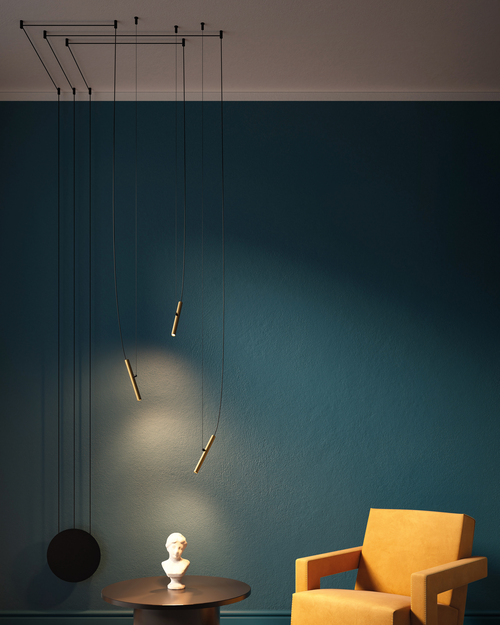
In order to have a lighting plan, you first need to have floor plans drafted.
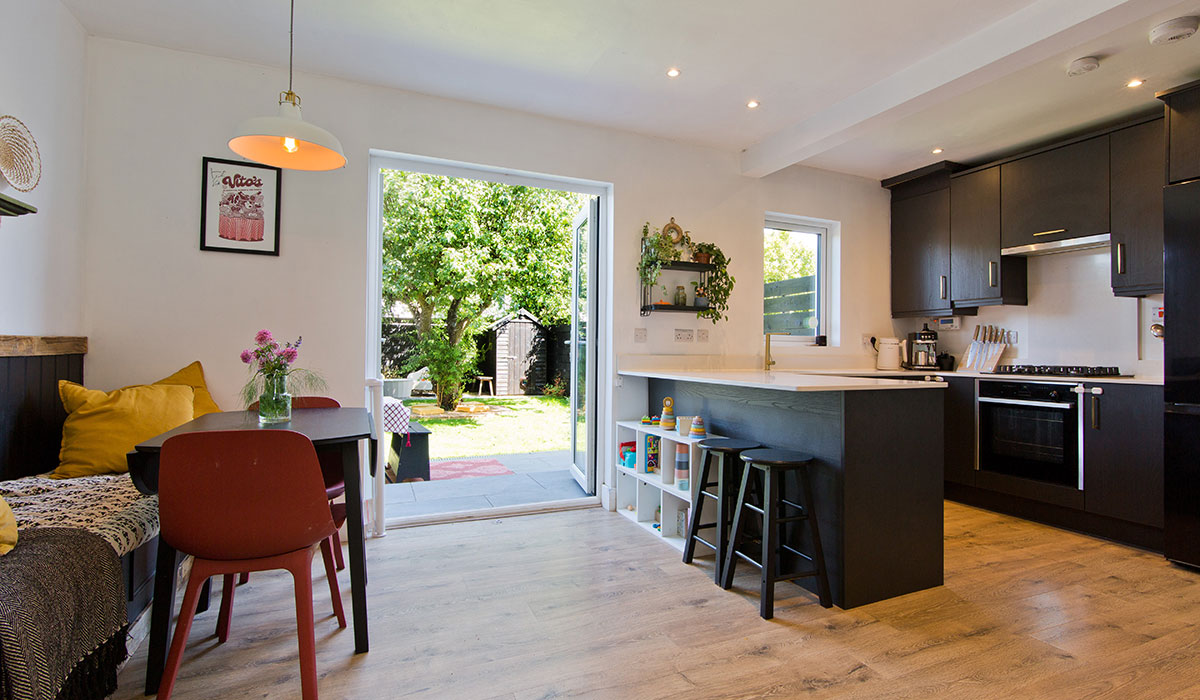
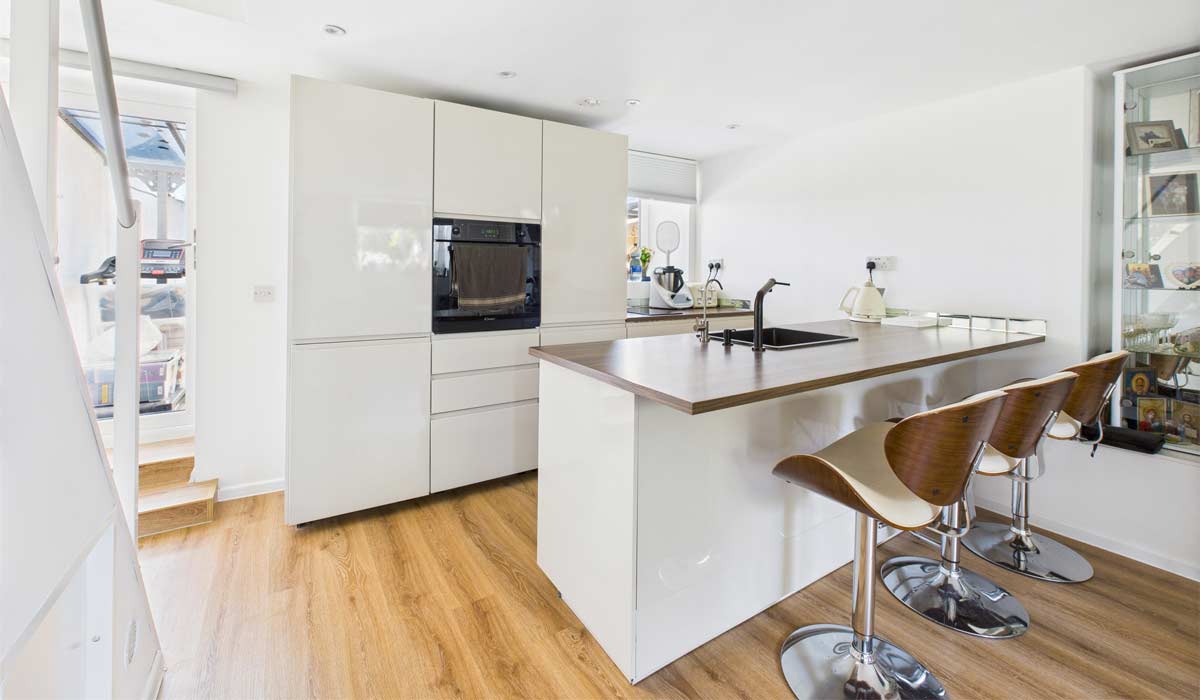
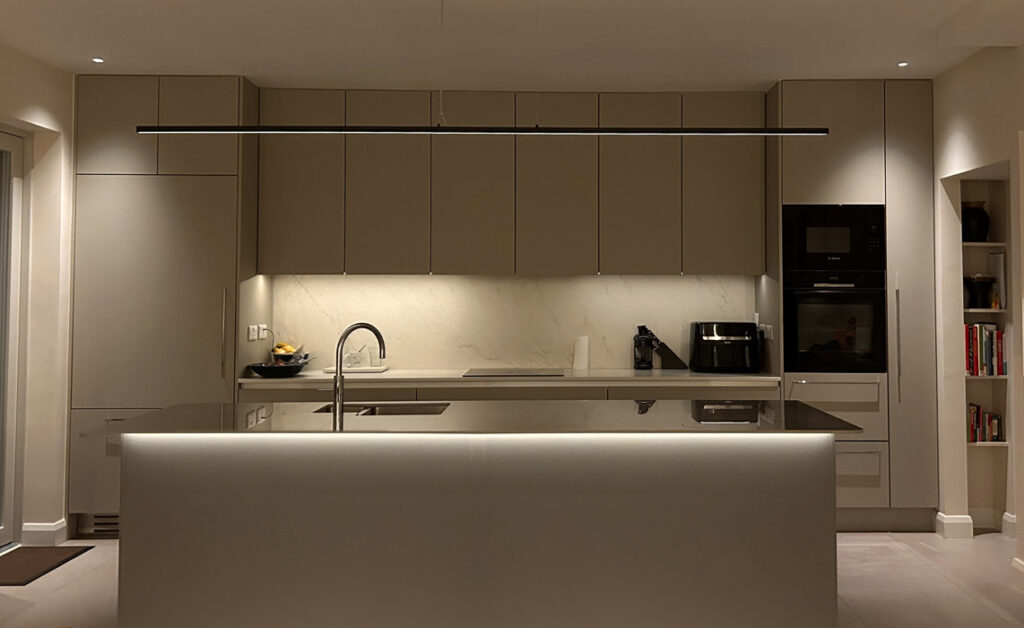
“When you look at the floor plans, the question to ask is, ‘What are we lighting?’ In the kitchen, you want to light the counters, the island and the table. You also need different light levels for this to create atmosphere. Light will bounce and refract.”
And add dimmers, he counsels. “They are a very cheap way to add flex and variation.”
Rocky knows how to create a sense of drama within a space. He trained as an electrician and worked in theatres while completing his apprenticeship.
“I was a glorified technician. I saw David Bowie play Slane, and a year later, 1988, I was working as a roadie with a big production company in Australia. Bands touring wouldn’t bring the lighting rig with them.”
He travelled with that Bowie Glass Spider tour, which had debuted at Slane, George Michael, Pink Floyd, Elton John and John Cougar Mellencamp, to name-drop just a few stellar acts.
He stayed three years, got his residency and came home after his dad, who had been diagnosed with cancer. He stayed and set up a business and grew it.
It now covers high-end residential, hospitality and office.
He’s also lit bridges, churches, castles and even the Rock of Cashel.
His main clients are architectural practices. “The client who is prepared to invest in a proper lighting scheme will get a completely different and enhanced end result."
Most clients, when they have that meeting with Wink, if they have the budget, keep them on.
Not everyone has the budget, but they may have access to a good electrician.
And this is where a good lighting plan becomes the difference between night and day.
“We see things differently,” Walls says with characteristic understatement.
“In residential, an architect may be working on a project for two years. We will take a first look and ask, ‘Does it not make sense to swing the door the other way?’”
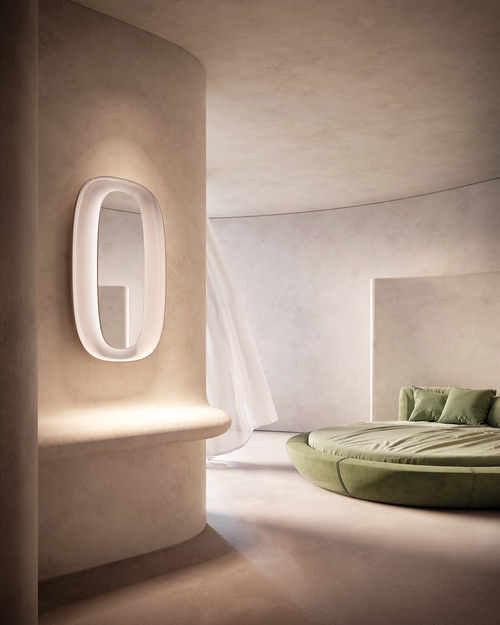
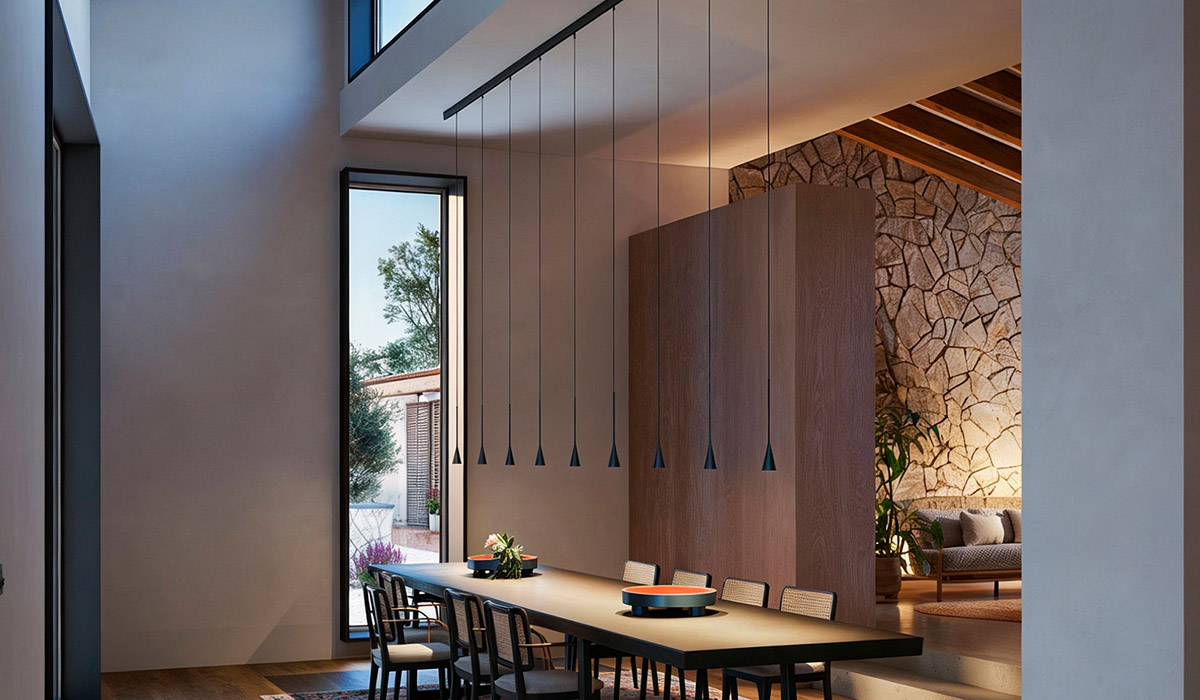
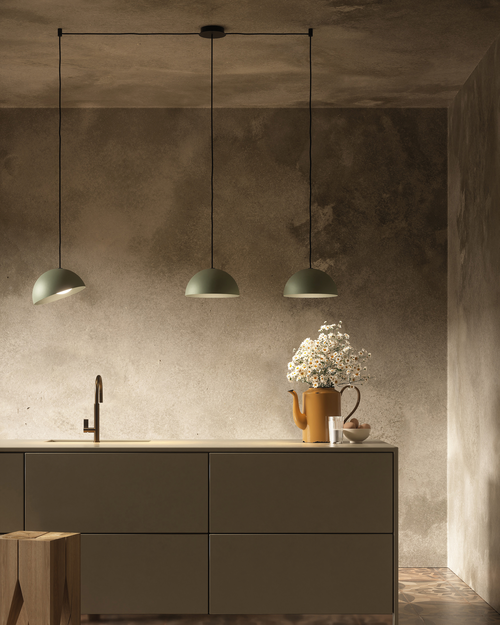
He’s a fan of less being more. In the kitchen cum dining room, he believes there really only needs to be one light pendant, over the island.
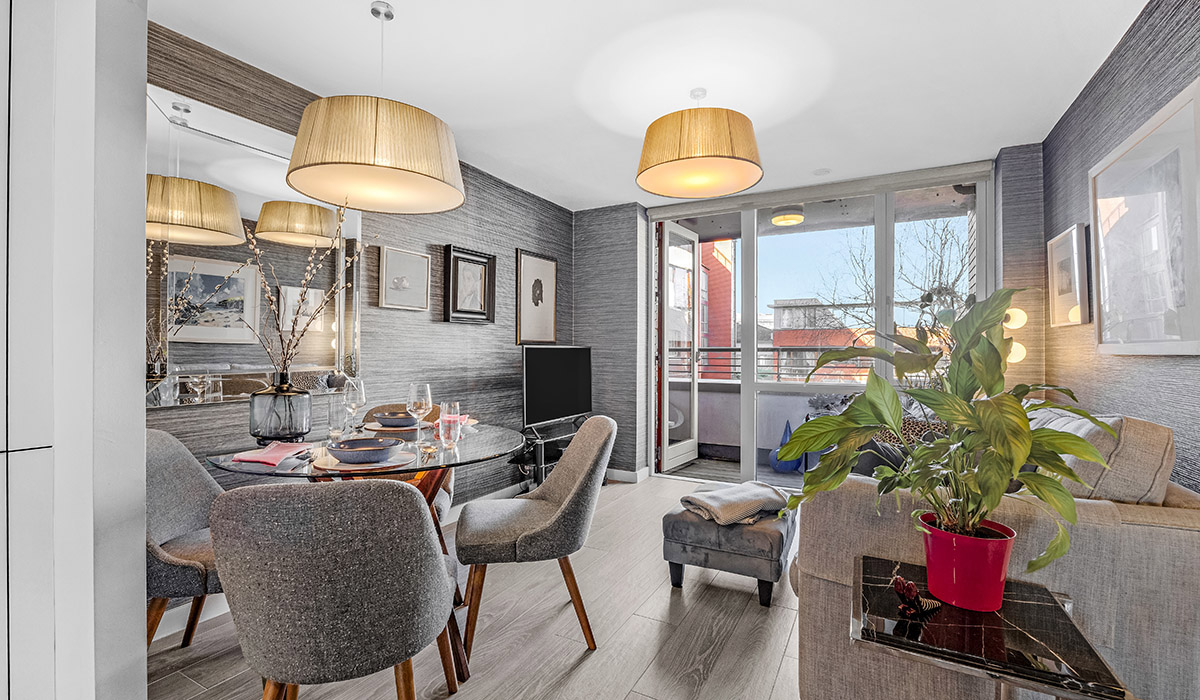
"The rest should be indirect. The whole idea of centralised light was a candle-lit candelabra. The technologies available deliver the right levels of light from, for example, indirect wall lights behind a couch in a TV room."
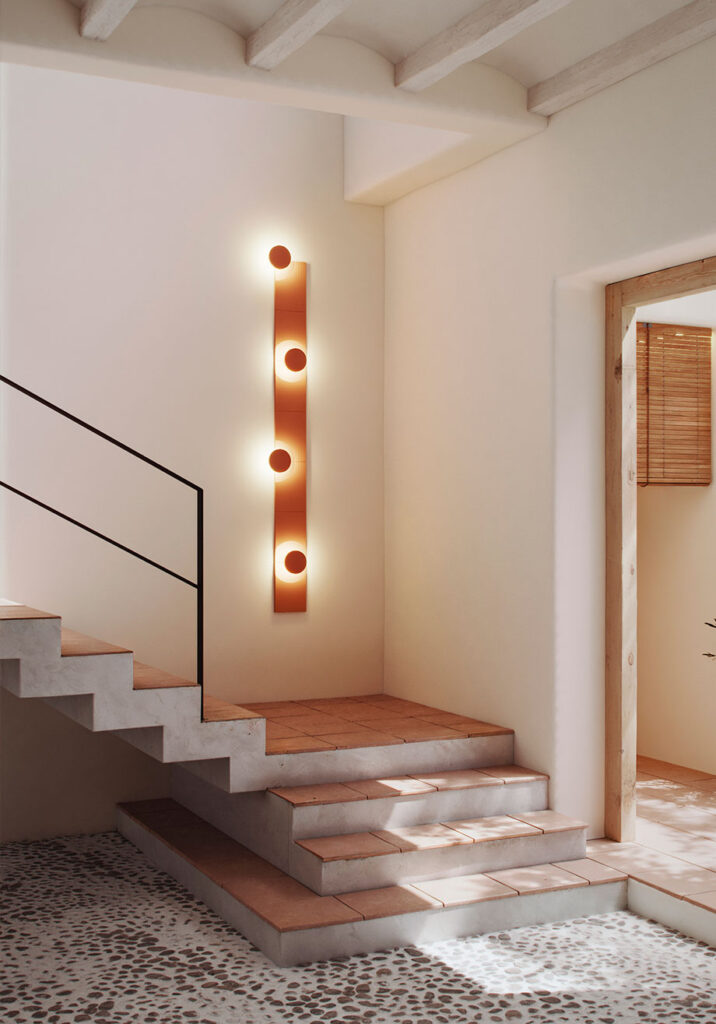
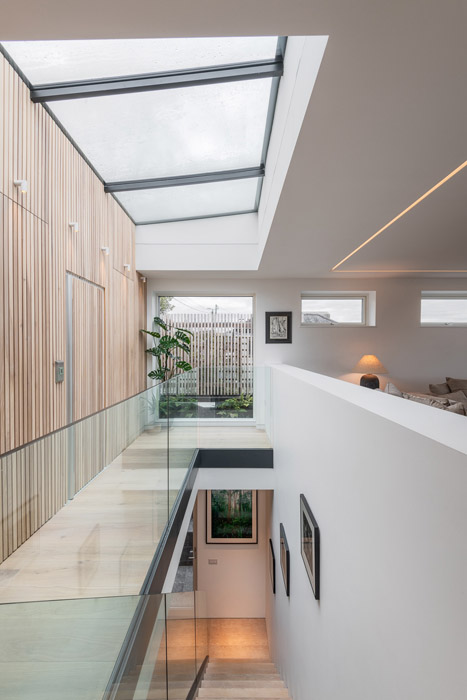
In an open plan double height hall, stairs and landing, Wall suggested a series of lights stacked at intervals all the way to the ceiling, each fixture creating a circle of light around it, with each of these circles touching to create a totem of light and shadow all the way up to the ceiling.
That will never light the room, was the client's initial response.
So sure of the result, Wall said: "If it doesn’t light the room, I will pay to retrofit it."
The client called a few days after installation, asking if Wink could dim the light setting.
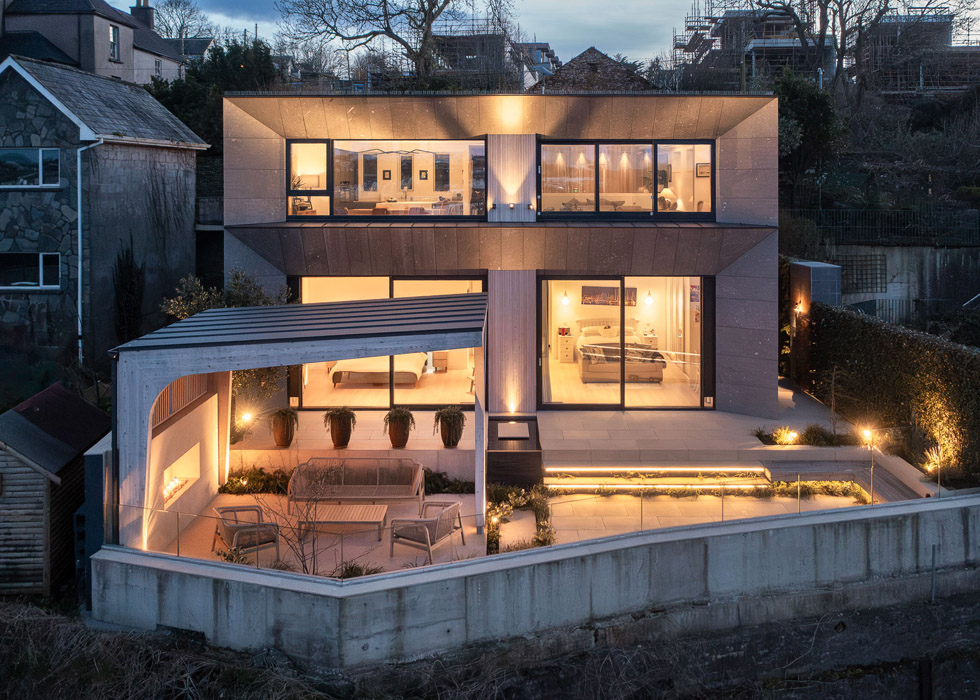
Lighting lends itself to being creative. It can be used to ‘paint’ in atmosphere, if you will.
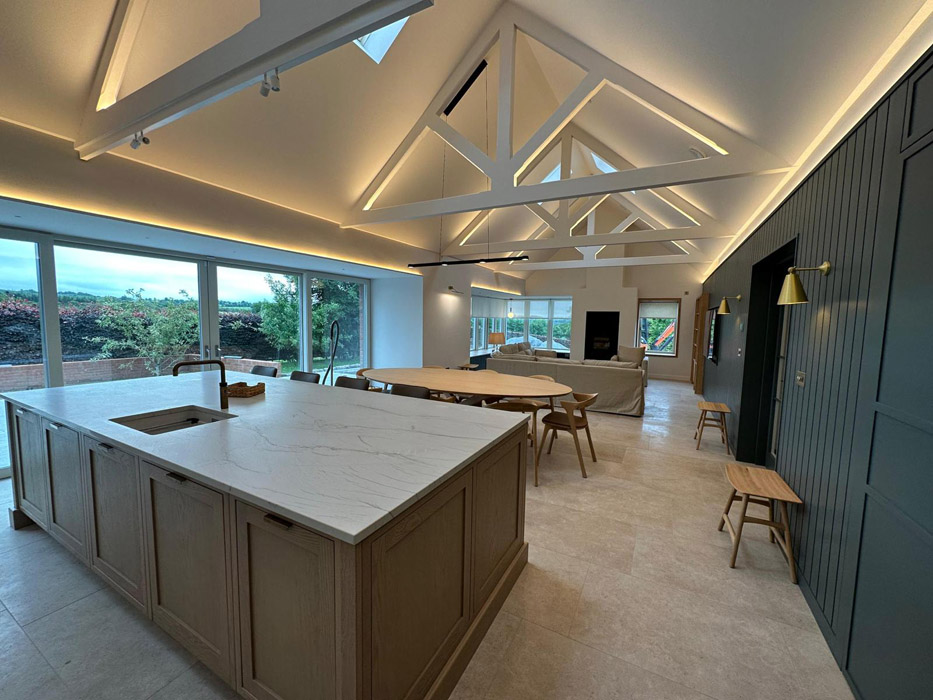
“The advent of LED allows strip lighting to be plastered in to make them appear far more discreet."
This means fewer lights in the ceiling. Lighting doesn't have to be direct.
In a recent job in Kilkenny, Wink routed lights into overhead beams, "so they were illuminated by indirect light not seen by anybody".
The cost of a lighting plan will depend on the size of the house.
He estimates that an average three-bedroom semi, measuring about 90 to 100 square metres in size, will cost somewhere between €1500 and €2,000, but cautions that by saying each price is specific to the project.
There is a consultation meeting, drawings and specification suggestions. This is time well spent for Wink, too.
“It makes sense for us. Our business model is selling product.”
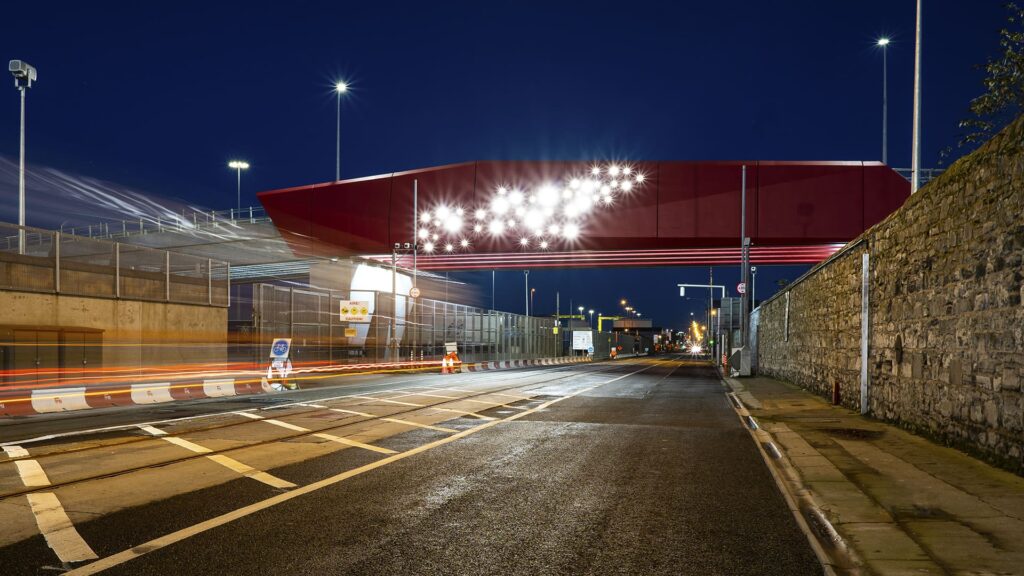
Wall's creative approach extends beyond homes. A recent project is the T4 vehicular bridge connecting Alexander Road to Dublin Port in Dublin 1 and allowing for uninterrupted roll-on, roll-off freight movement across the road.
Designed by Darmody Architecture and nicknamed the red bridge on account of its lipstick colour, it features a starburst of lights. The undercarriage is also lit.
What most people don’t notice, unless they use the route regularly, is that the intensity of the lighting scheme is dictated by the tide, strengthening as the water hits the high tide mark.
Another example of the firm’s creative approach is Dun Laoghaire Town Hall’s clock tower. It chimes at quarter to the hour. The building blinks on the chime, something you can see from the far end of the East Pier, before you ever hear it.
The clockface also changes colour on the hour. This ties the project to its locale and wins over the hearts of everyone who sees and hears it. We all want a bit of that magic in our homes.
To book a lighting plan appointment, visit Wink.ie or call 01 276 2200