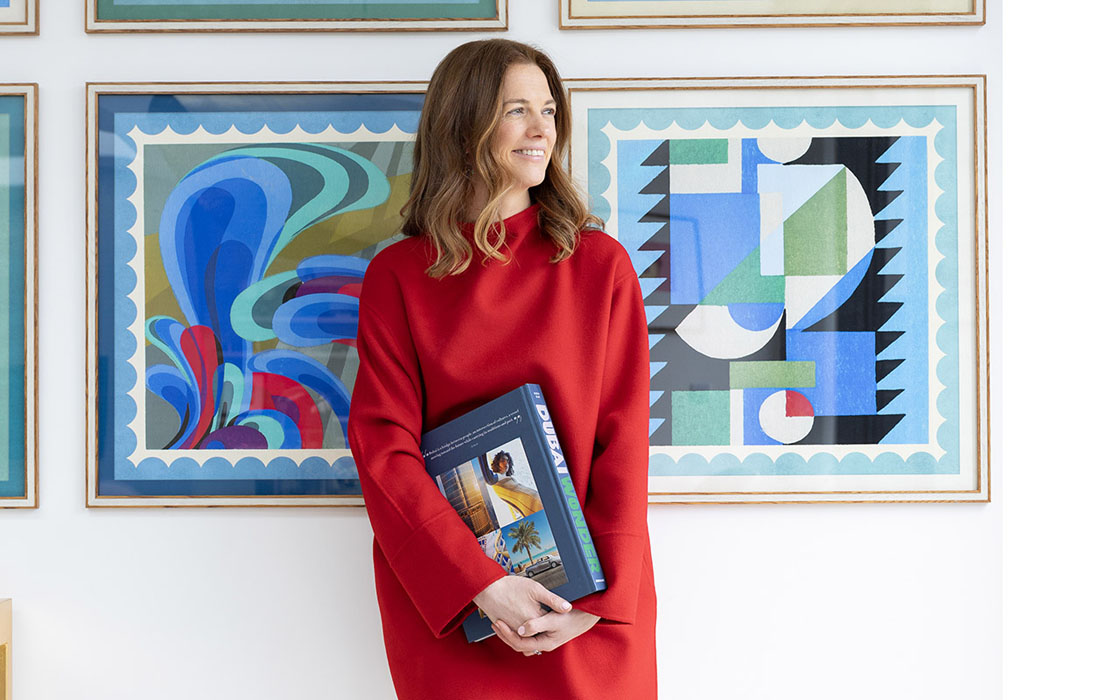
Swaggy curtains, minimalism, maximalism, colourdrenching and quiet luxury: homes in Ireland follow international interior trends, says design doyenne Julianne Kelly, who’s channelling the 1970s in her own home, the decade her second-generation business launched.
I976 is the year that U2 formed, and New York punk band the Ramones released their first album. It was the same year that actor Colin Farrell and Brazilian footballer Ronaldo were born.
In pop culture circles, punk was percolating. The interiors of the era were far more matchy and formal. Avocado bathrooms were de rigeur, patterns covered every surface, bungalows were burgeoning, and window treatments for said modern homes erred on the swaggy side.
Most homes still had at least one good room, valuable real estate that was very much underused and often furnished with three-piece suites.
Wall-to-wall carpet was a thing, even gracing the floors of bathrooms and, in some instances, even climbing the side of the bath.
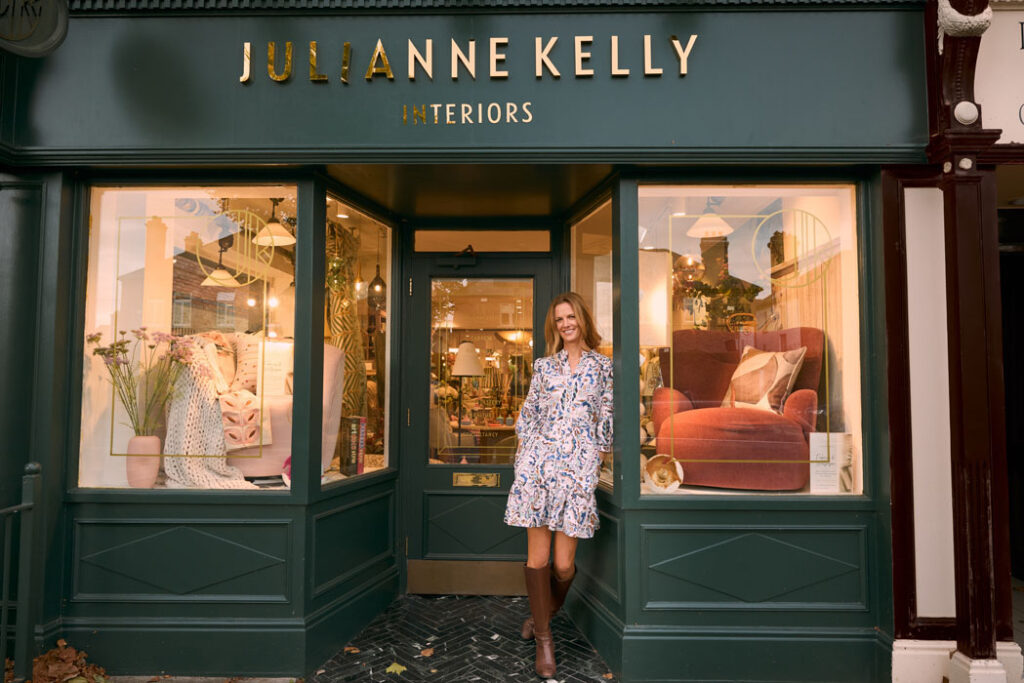
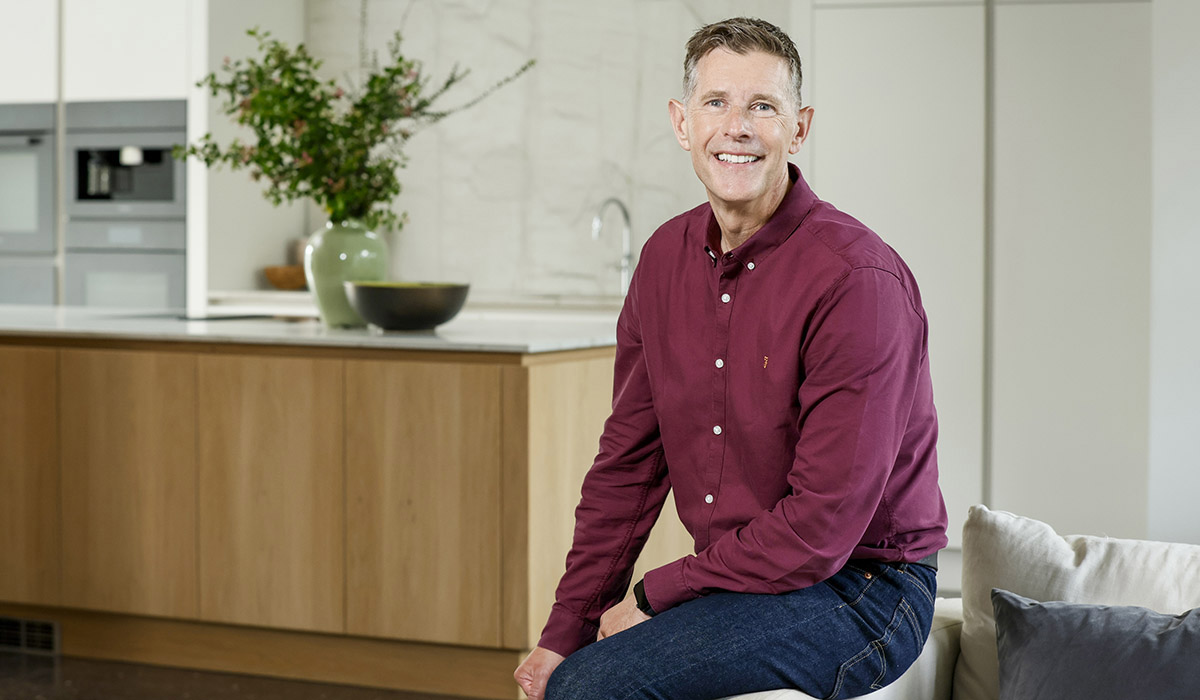
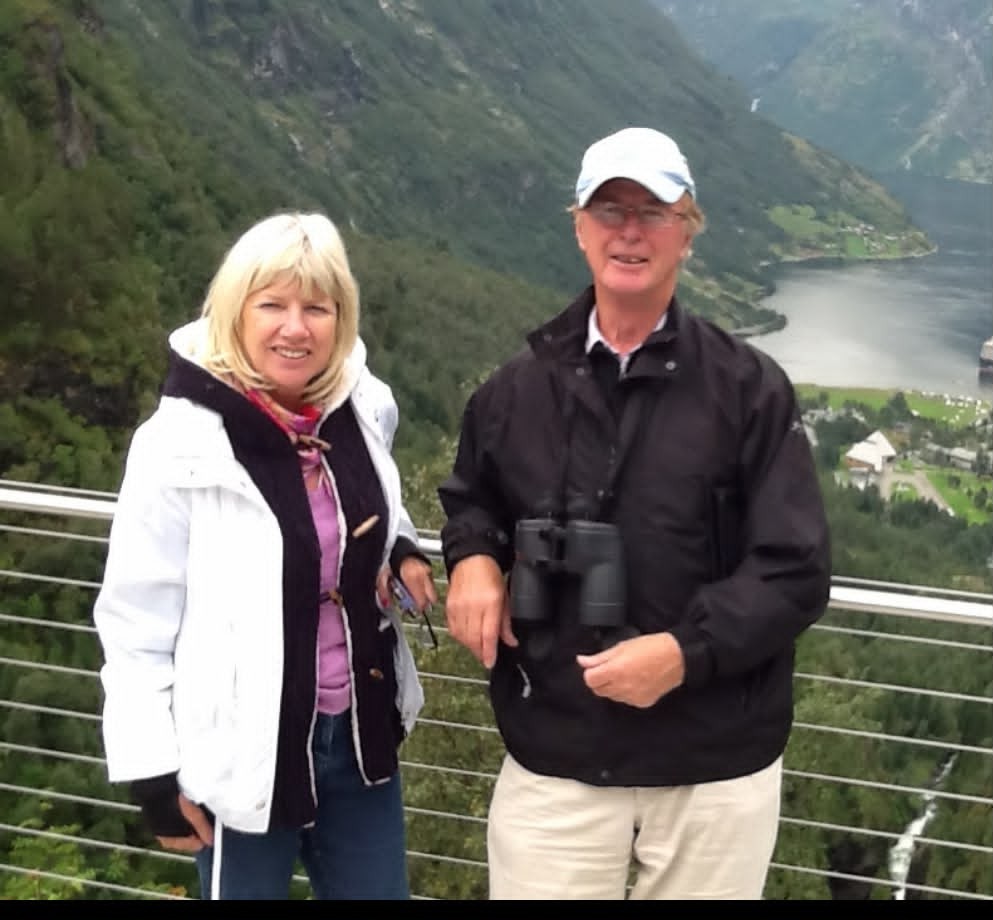
For Donnybrook interior design doyenne Julianne Kelly, whose father, Kevin Kelly, set up the now second-generation business in the same year, her story began when Kevin, a chemical engineer who had worked with textile manufacturer Courtalds, pivoted and became a carpet specialist.
He set up TC Carpets before Julianne was even born; the company had 10 branches in Ireland by 1976.
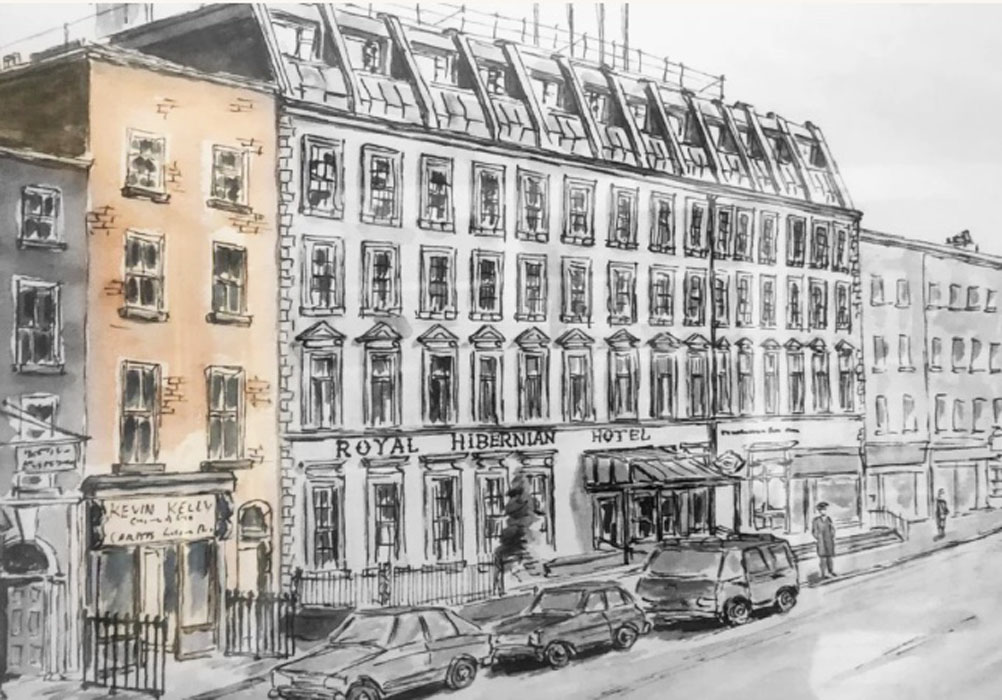
Kevin Kelly Interiors opened on Dawson Street, beside what is now the Royal Hibernian Way. Carol, Julianne's mother, came on board and was the lead designer.
The business moved premises to Suffolk Street in 1981.
After several rent reviews, it moved to the landmark property on Morehampton Road in 1992.
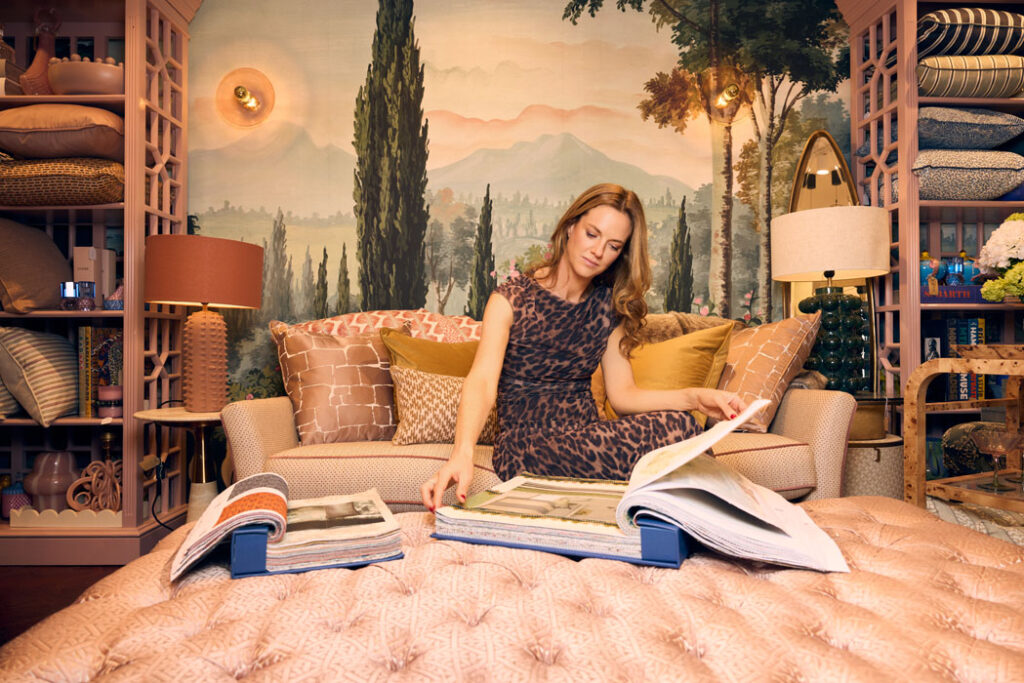
The ground floor is a browsable shop, while the first floor is a by-appointment studio, where you can peruse fabric and paper books and have a consultation with one of the design team. Julianne now runs a team of ten people.
Sonically, punk and disco competed for our attention in the 1970s, with very little of the decade evident in ordinary Irish interiors.
Bungalow Bliss, a publication that supplied plans for homes, was a bestseller. Ordinary people were focused on becoming homeowners by building their own.
But Kelly was quietly building a reputation within the well-heeled for providing a full decoration service, with the new Dublin 4 premises housing a large library of sample books that clients could peruse.
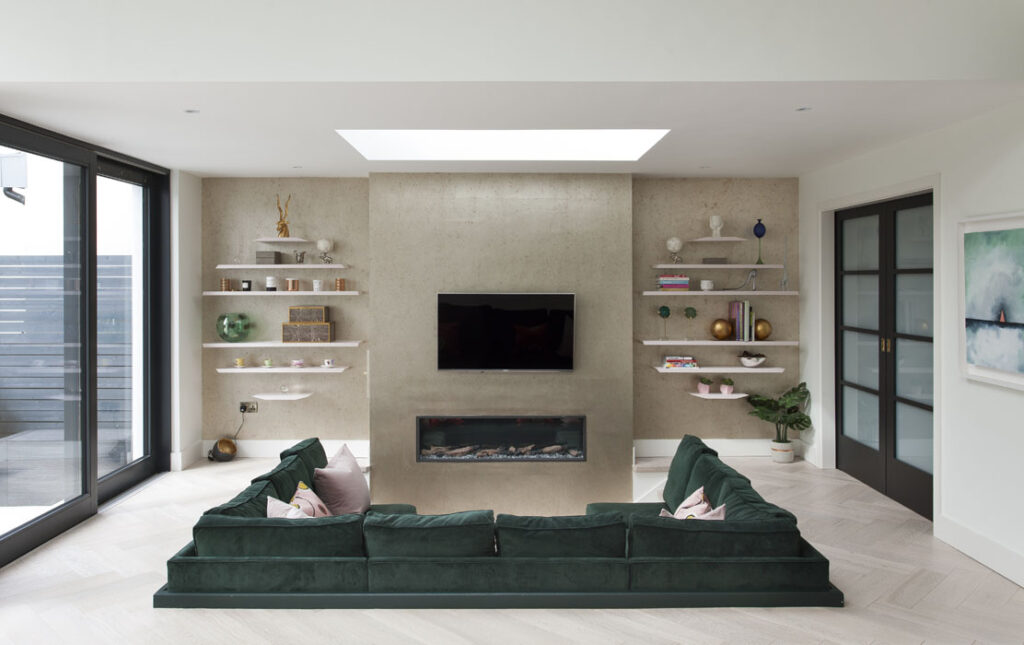
In her own home, Julianne has channelled that same decade by installing a conversation pit in her open-plan space at the back of the house.
You step down to it from her Huntsman Green kitchen.
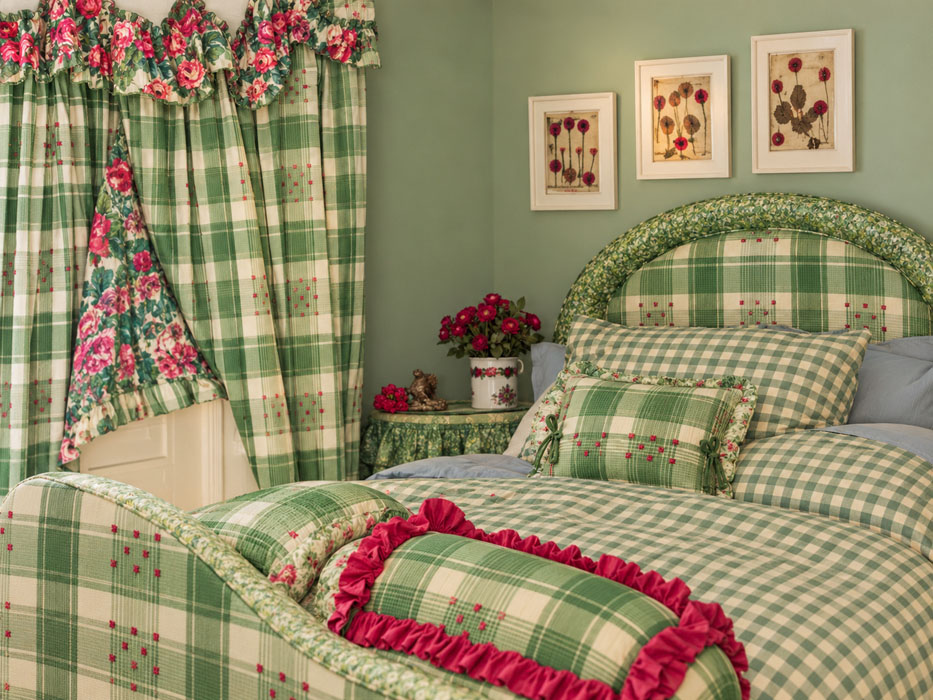
In the 1980s, curtains took centre stage. Curtains could take double the meterage of fabric that they do now, she says, recalling big swags and tails, big pelmets and different coloured flashing. Trimmings were a big part of the detail.
This is all making a return, as are the frou-frou frills seen in this green gingham bedroom set up from the firm's archives, circa the 1980s.
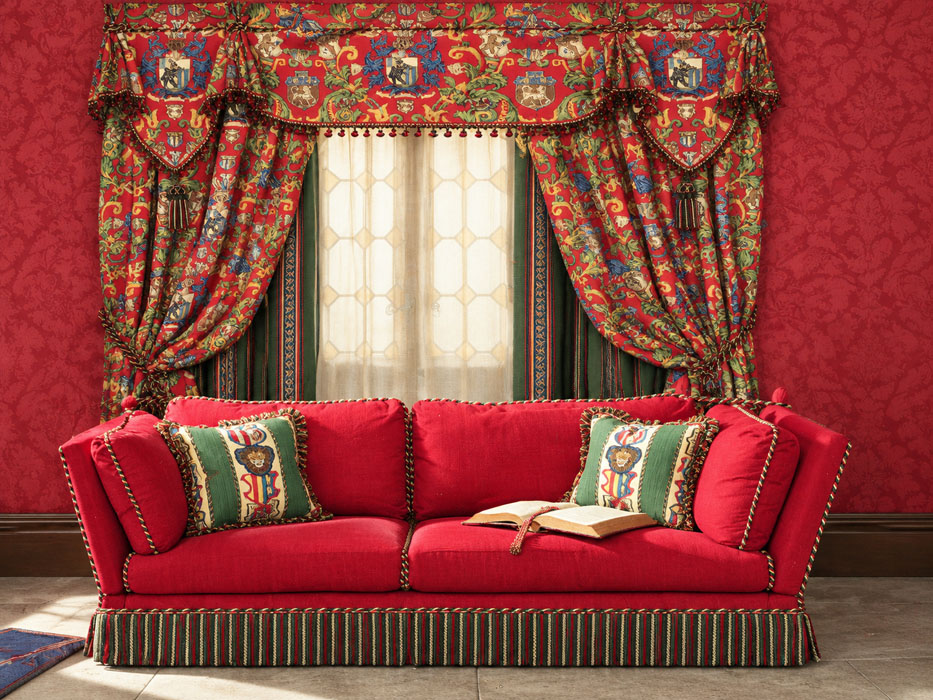
If you switched out the matchy-matchy aspect of the gingham and rose print curtains, it could also be very now, for interiors, like fashion is cyclical.
Now, though, there is a greater emphasis on individuality. There is so much choice and endless inspiration that professional advice is key.
“It’s about creating a cohesive home, walking through the property to see what is doable and editing," she says.
"It’s about finding the one thing that they love; it could be a fabric, the orientation of the room or an exterior feature, such as a courtyard, and building it up from there.”
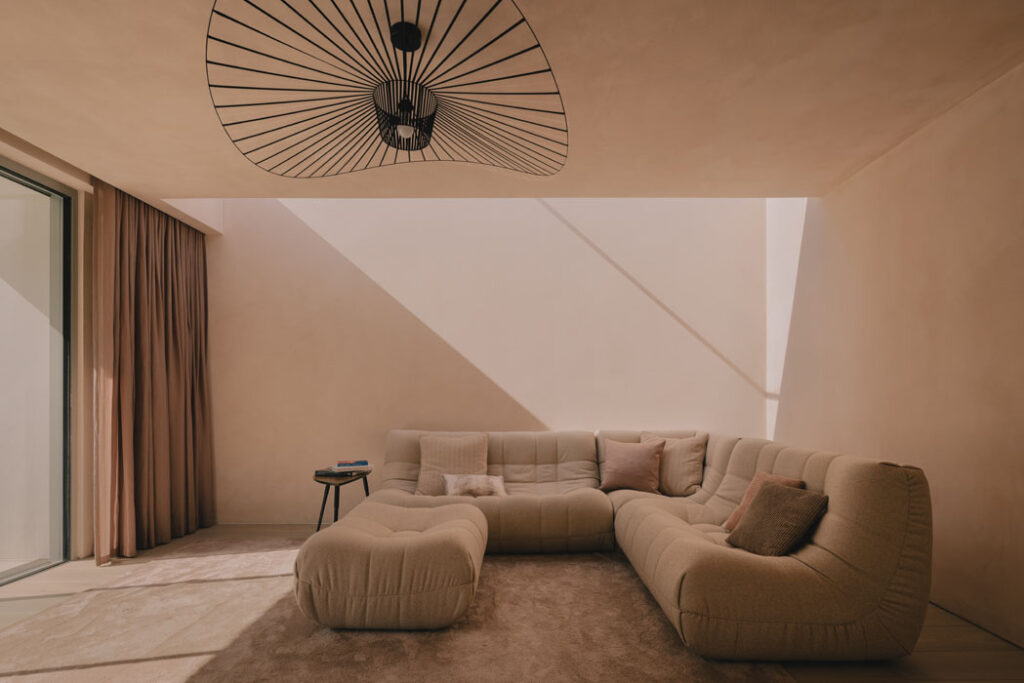
The 1990s were more understated. There was less pattern, a lot of beige and magnolia coloured walls and endless pine furniture.
Julianne’s own bedroom had loads of pine. “I loved it,” she admits.
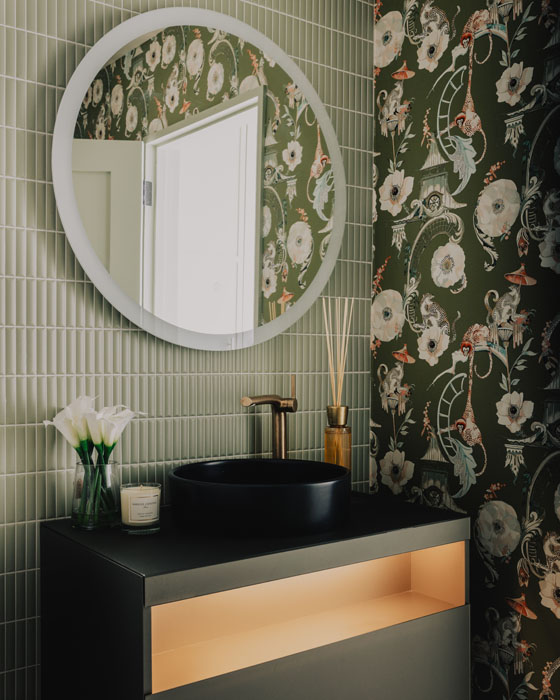
A client’s home in Mount Merrion features a bold floral wallpaper in the bathroom by the high priestess of the 1990s boho brigade, fashion designer Alice Temperley.
This contrasts with the rest of the property, which features colour drenching in soft-focus shades to make the spaces feel more intimate.
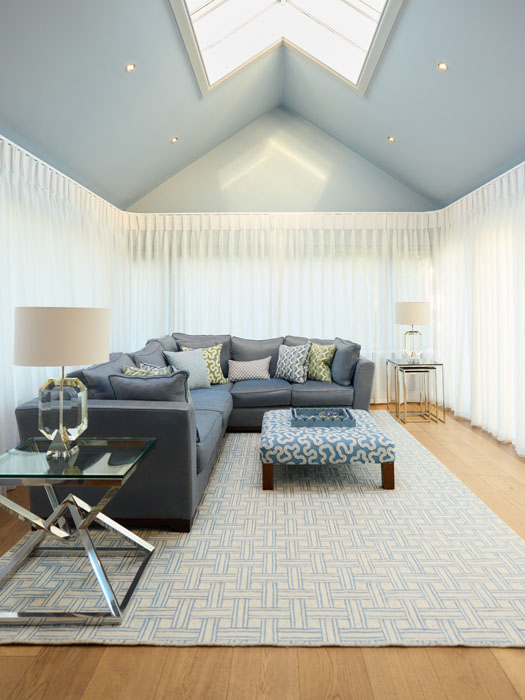
The noughties saw the rise of plain carpets, dark wenge flooring and cabinetry, and tobacco and espresso brown leather seating.
Soft voile curtains were an essential element of this new era of minimalism and have become a subtle staple in a designer's toolbox.
They diffuse light and give glazed rooms a degree of privacy, as per this sunroom with ridge roof light in what was originally a 1970s bungalow in Dublin 14.
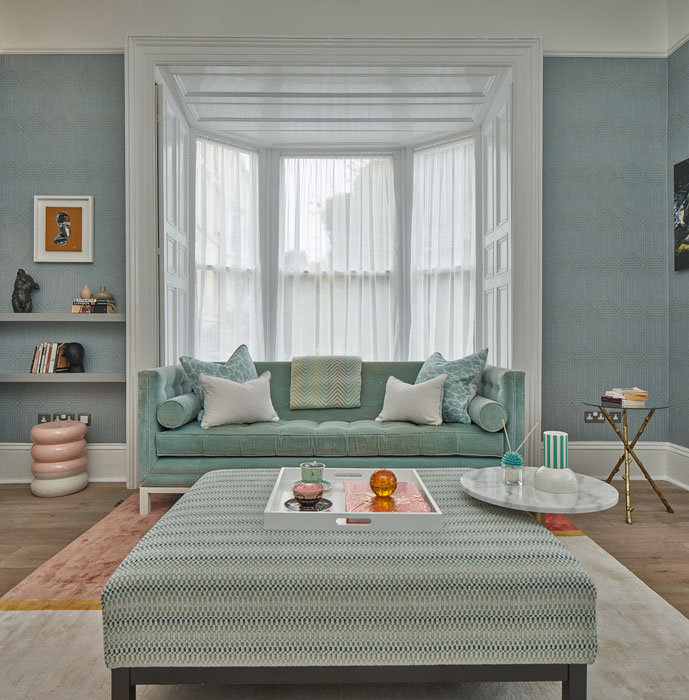
Then came the bling era of the Celtic Tiger, when everything. had high-sheen surfaces. Walls everywhere were painted in Farrow & Ball’s Elephant’s Breath.
Grey was the new beige and covered every surface from suburban semis to Victorian townhouses.
A recent reimagining of one such townhouse in coastal South County Dublin took inspiration from the client’s wardrobe, she explains.
“She was into colour, but we didn’t want to compete with the original features.” The result riffs on the maritime setting but in an ultra-subtle way.
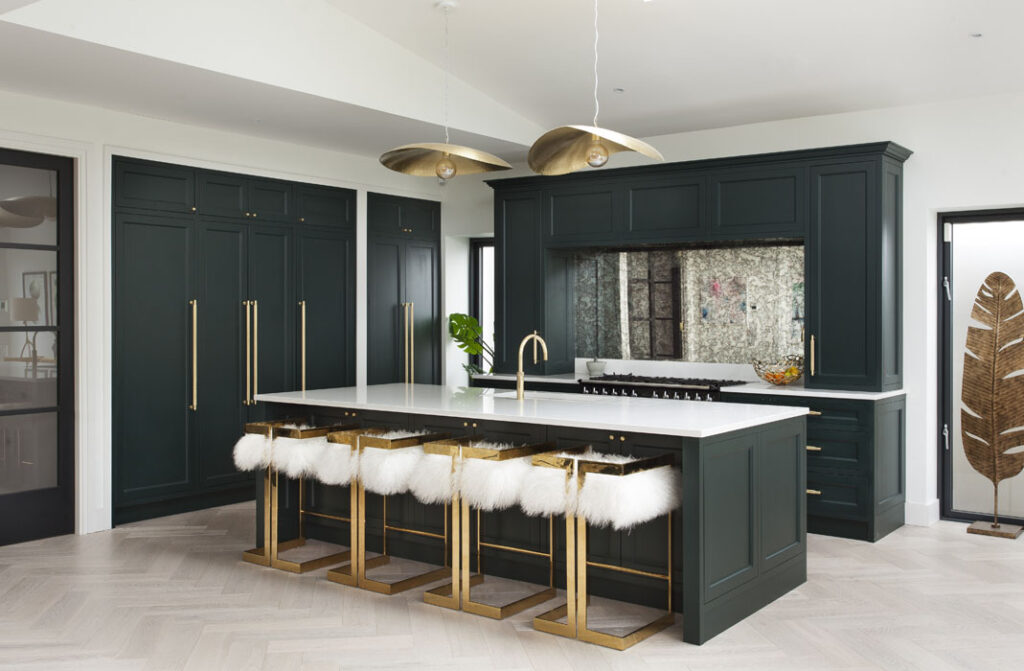
The recession took the gloss off all things property-related. Interiors faded to shades of grey. The Scandinavian aesthetic, first mooted in the 1970s by an up-and-coming generation of architects, went mainstream.
Timber flooring replaced carpets.
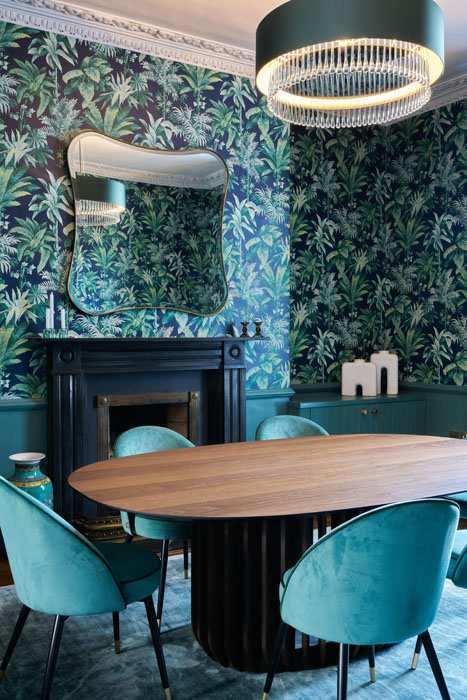
Then came maximalism.
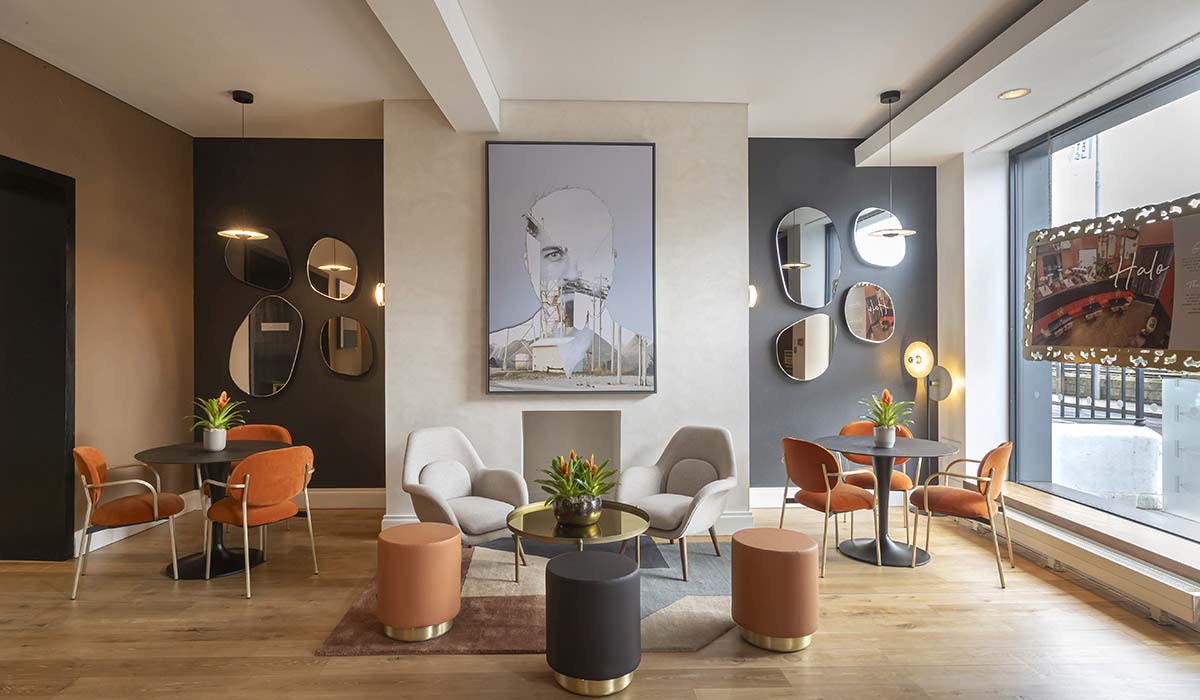
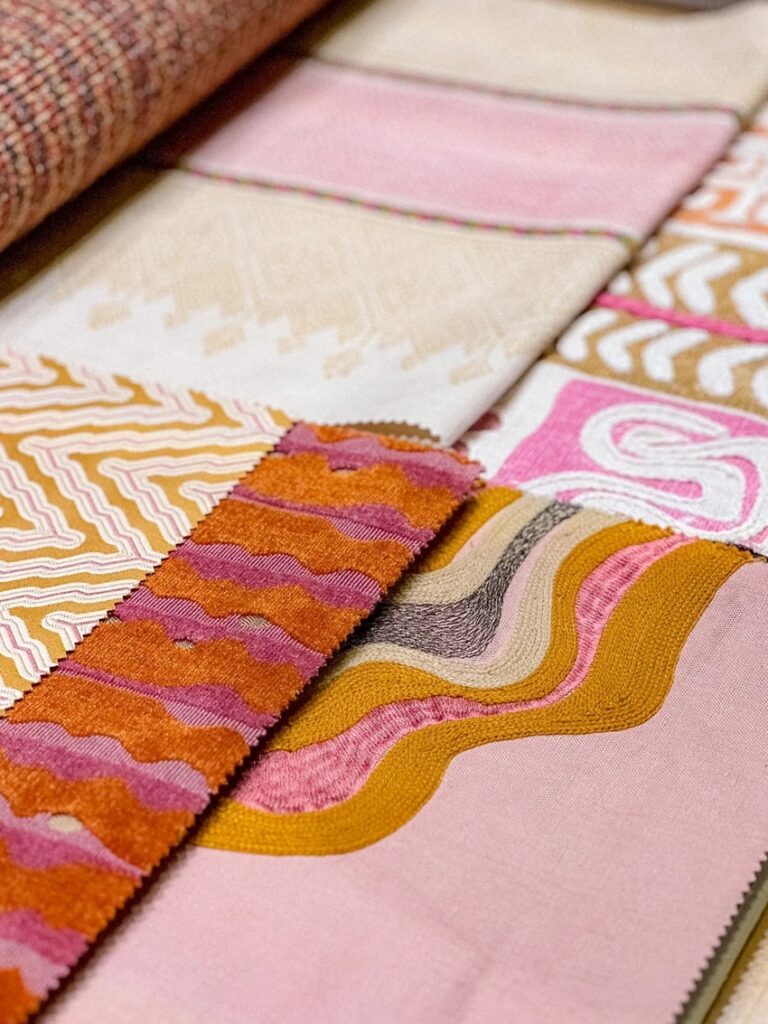
In this Dublin 4 project, Julianne played to the client’s love of pattern with a Thibaut wallpaper, Manuel Canovas chevron chenille-upholstered sofa and a mid-century mirror, Italian in style, from Julian Chichester.
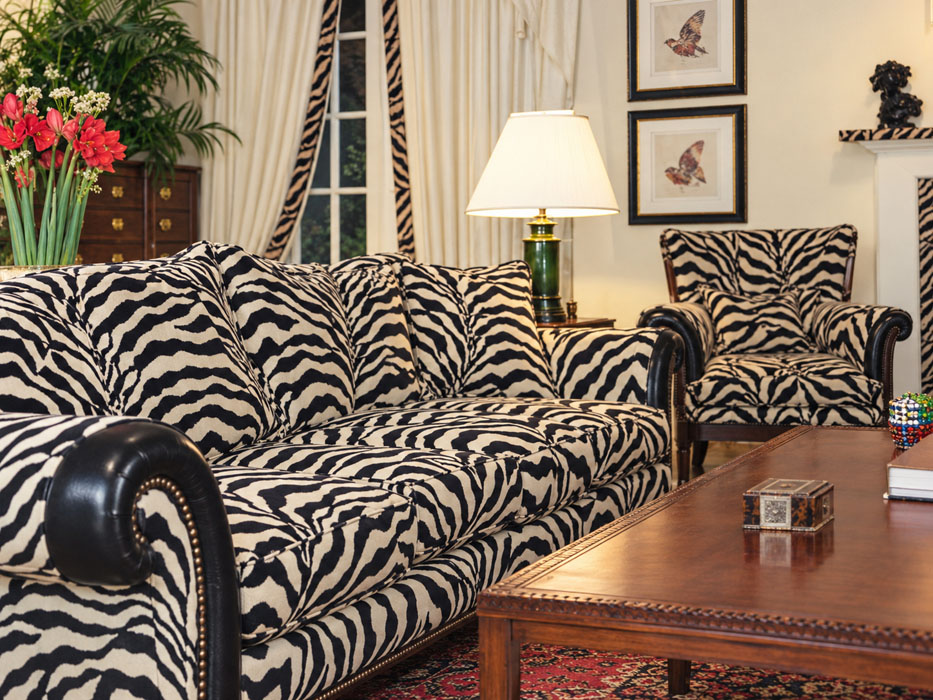
Five decades on, interiors less resemble the house in Home Alone and are more likely to have been inspired by filmmakers Wes Anderson or Nancy Meyers.
Whereas before, clients may have deferred to the suggestions of their decorator, now every client has at least a Pinterest board and is likely to have researched and found much of what they want on Instagram.
The role may have changed, but the interior designer is still the architect of the look, from the minute detail to the finishing touches, she says. “Clients are much more confident. They want to do it for themselves. It works best when we’re brought in from the planning stage.”
Shop Julianne Kelly Interiors at 105 Morehampton Road, Donnybrook, Dublin 4, or call to make a studio appointment