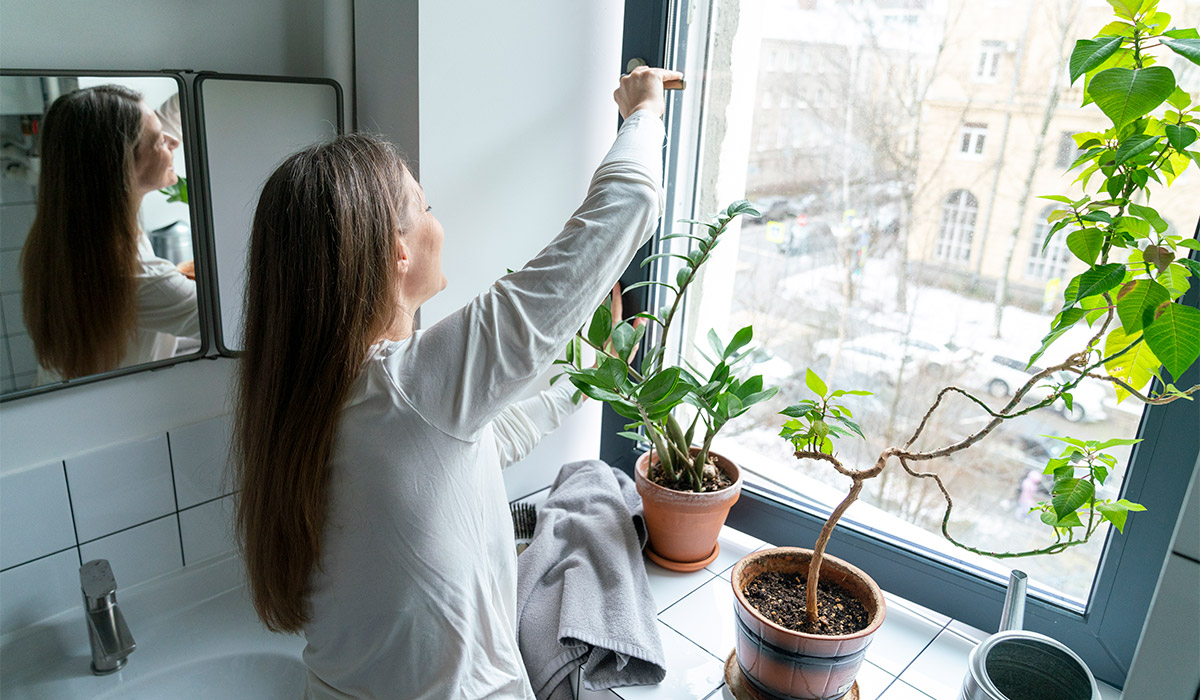
The German practice of lüften takes an ancient form of housekeeping and makes it relevant to generation rent.
We’ve been through various Nordic practices from Danish hygge to Swedish death cleaning, Eastern influences on the joy of decluttering, thanks to Japanese Marie Kondo, have also been impactful.
Now the algorithms are pushing a German practice that is as old as time itself. It is even factored into rental agreements in this large European country.
Put literally, the practice of lüften means to ventilate. it means opening your windows daily to air the space.
But socials needed a catchy term to garner attention, and so the term house burping was born.
You don’t need experts to know that lüften actually works. Open your windows, and you can literally smell the difference. Your home smells fresh.
It makes utter sense from a practical point of view. But, at a time of the year when the heat is on full blast, and there may even be condensation on the inside of the windows, fiscally, it seems imprudent.
The money being spent on heating the place and warming the interior air is disgorged into the atmosphere.
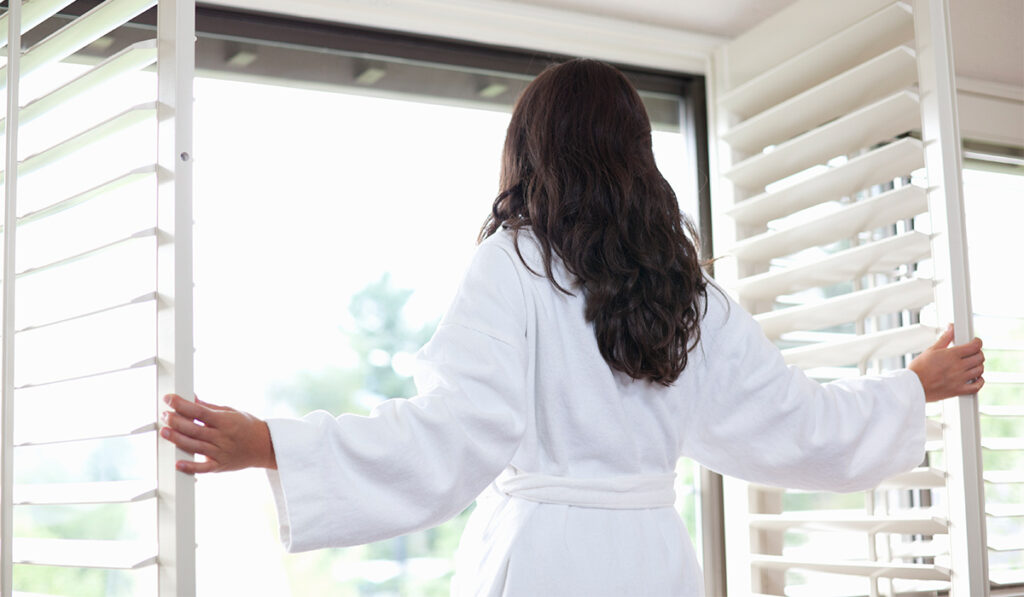
The implementation is not just about the token opening of windows, though. An aperture that is simply ajar for nanoseconds won’t cut it in Germany. Lüften requires you to open the windows fully for an optimum period of between five and 15 minutes.
By opening windows, you will also reduce the concentration of volatile organic compounds (VOCs) in the home. These are released by a vast array of household items, from furniture to mattresses, cosmetics and cleaning products. Adverse reactions can include headaches, itchy eyes and/or even breathing problems.
In Germany, lüften is taken very seriously. So much so that in the city of Hamburg, for example, many landlords make their tenants sign paperwork agreeing to air out their apartments for several minutes daily. Some of these agreements require airing multiple times per day.
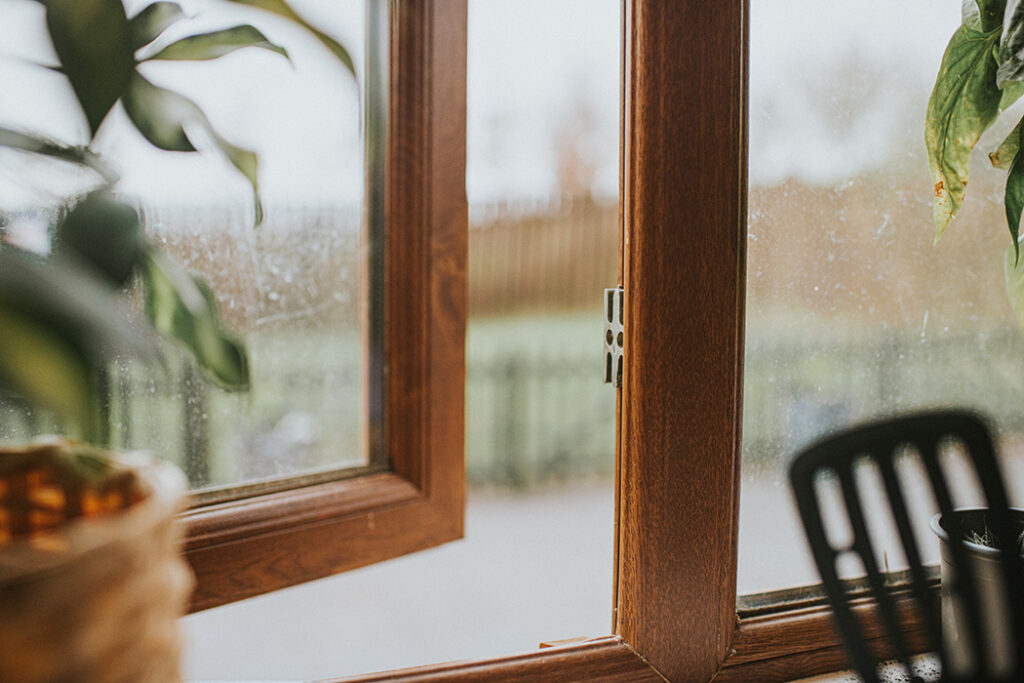
The reason for this is that mould removal often falls to the landlord. In such instances, the landlord will often argue that the tenant didn’t air the property correctly.
The origin of this agreement is in the city’s housing stock. Homes built roughly between 1870 and 1940, altbau buildings, as they are described, are commonplace in Hamburg and are particularly prone to mould.
In Ireland, under point 30 (e) of the residential tenancy agreement RTE template, it states that: “The habitable rooms in the Property must have adequate ventilation. Every kitchen and bathroom must have ventilation for the removal of water vapour. All means of ventilation must be maintained in good repair and working order.”
In this document, there is no further clarity as to what ventilation means.
Germans use different words for different kinds of lüften - ventilation, Kraut-style.
Querlüften, or cross ventilation, is when you open windows in opposite rooms, a practice also recommended by the Health and Safety Authority for workers. It counsels opening doors, windows and vents wherever possible, particularly those opposite each other, which will facilitate “a quick exchange of room air for fresh air”.
The last word in the German lexicon in relation to ventilation is stosslüften, a term used to describe the shock you feel when you open windows in the freezing cold, and the bitter exterior air replaces the warm air of your home.
It’s a feeling you might get, too, when your utilities bill lands.