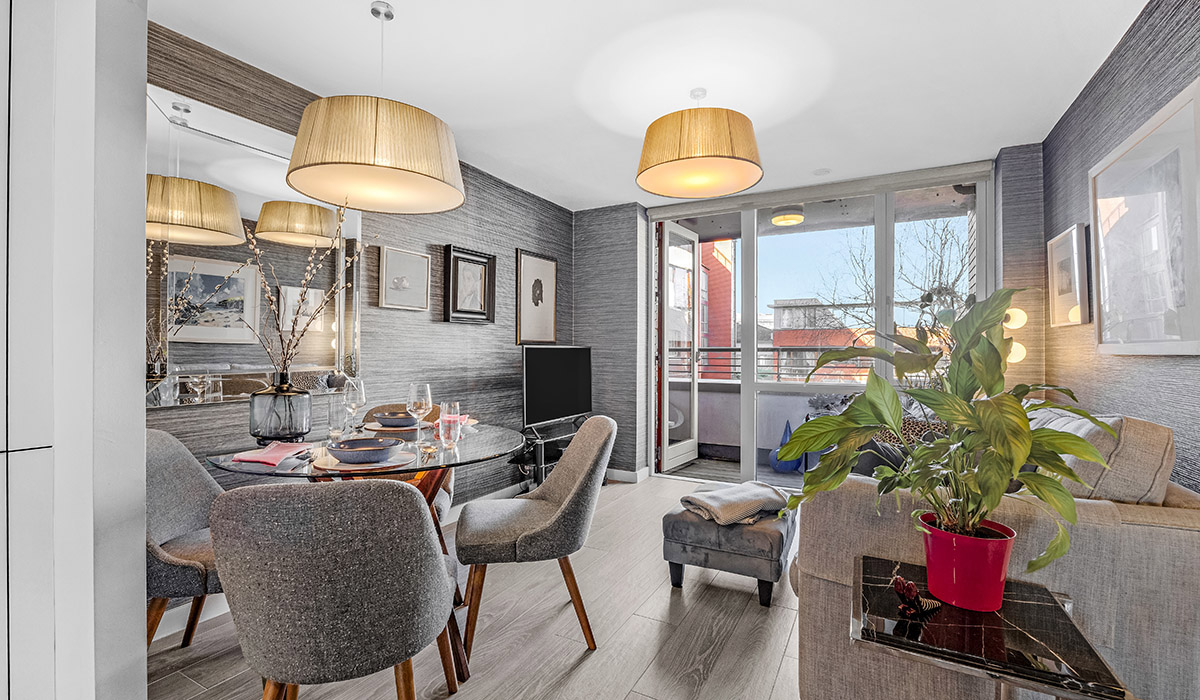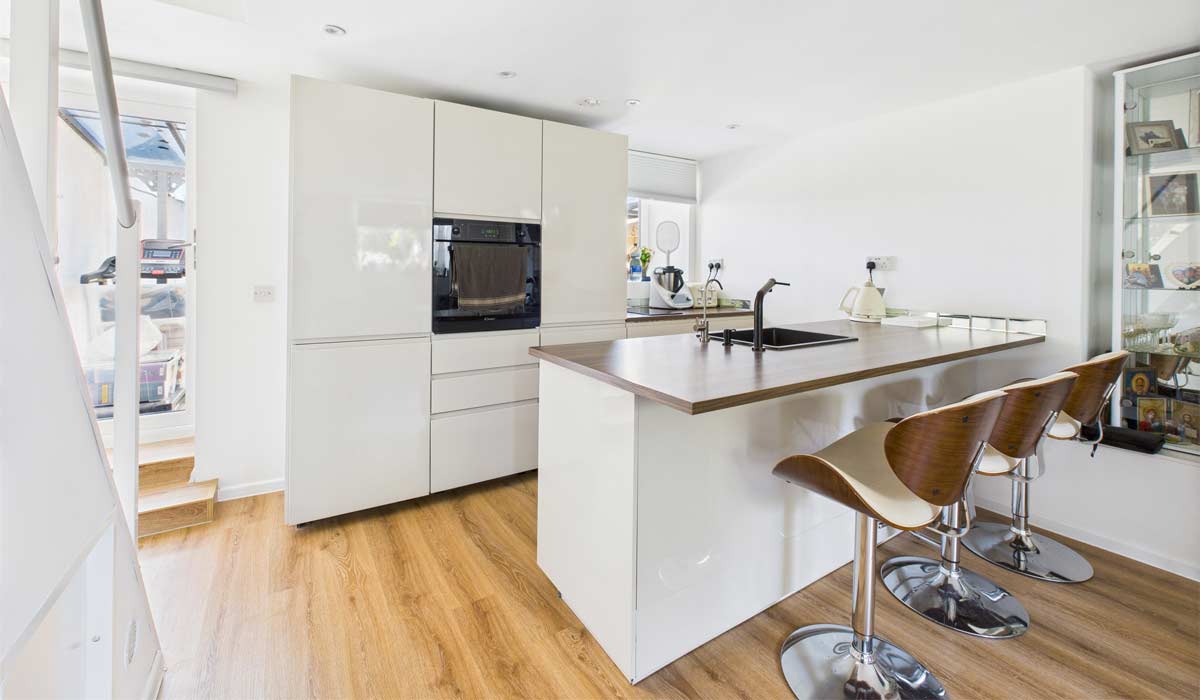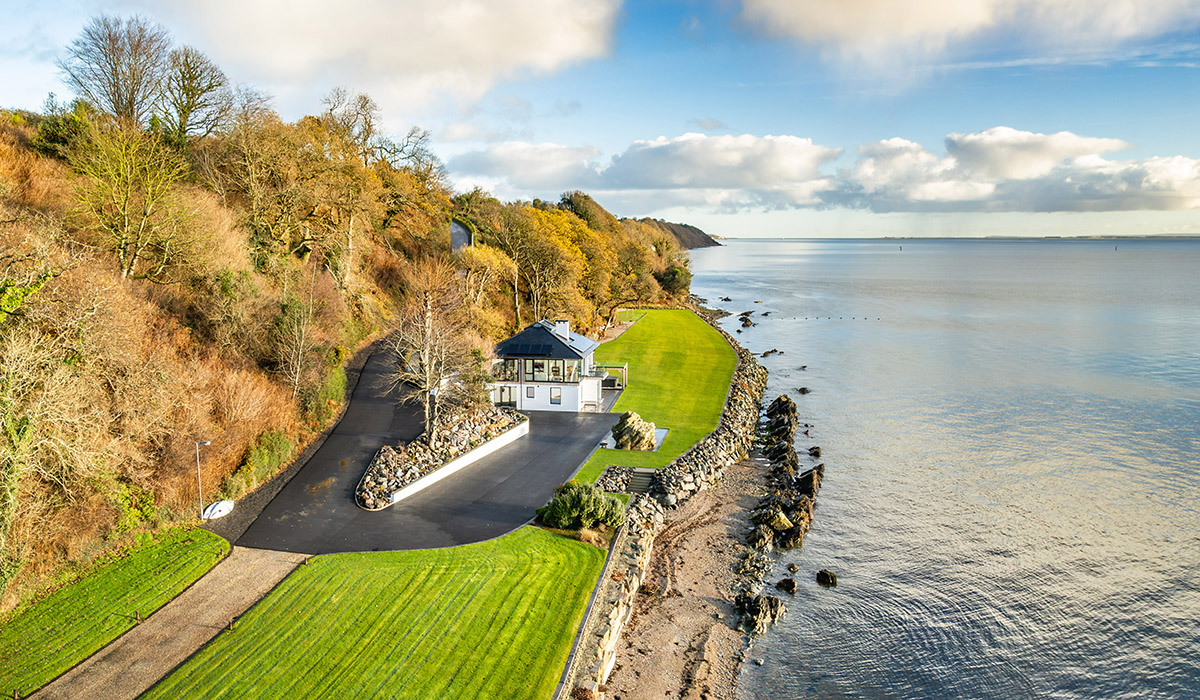
A church conversion that came with a calling to preach a new gospel that a tired old property can be worth saving, helped a DJ find a new vocation.
Pics: Barbara Egan, Reportage
In today’s world, the lived experience garners a following. Chris Deakin was ahead of the curve.
Twenty years ago, he and his partner Orla McCluskey, a project manager, were looking for “an old, crumbling building to restore”.
The pair were “hooked on Grand Designs” and the big reveals made by presenter Kevin McCloud, who would narrate the epic journeys renovators would take to fulfil the dream.
It remains property telly’s sweet spot.
Every episode of this genre tracks the months and sometimes years spent on muddy sites, as costs spiral and dreams evaporate, and homeowners fall out with their builders.
His story starts like many on TV. They wanted a historic property in need of renovation.
“An old building is a more interesting place to live. Its history comes through,” he says.
“We had looked at an old mill, an old farmhouse. It ended up being a church.
“We saw it in a weekend newspaper and we weren’t too keen at first,” he says.
A former DJ who had set up clubs in Salthill, Galway, during his college years, he still played weddings and had always demonstrated an entrepreneurial streak.
Their property quest prompted him to ask the question, ‘Wouldn’t it be handy if there were a site with all types of old properties on it?’
He set up Former Glory Ireland at the same time as they were renovating the church.
The website advertises properties that need love and attention from every corner of Ireland.
It was a resounding success.

Originally a website, it is now also an Instagram channel with almost 26,000 followers and a steady income stream from estate agents paying to advertise on its platforms.
You can browse period properties to buy and restore, you can stay in some of them, get married in others, and even pay some of them a visit.
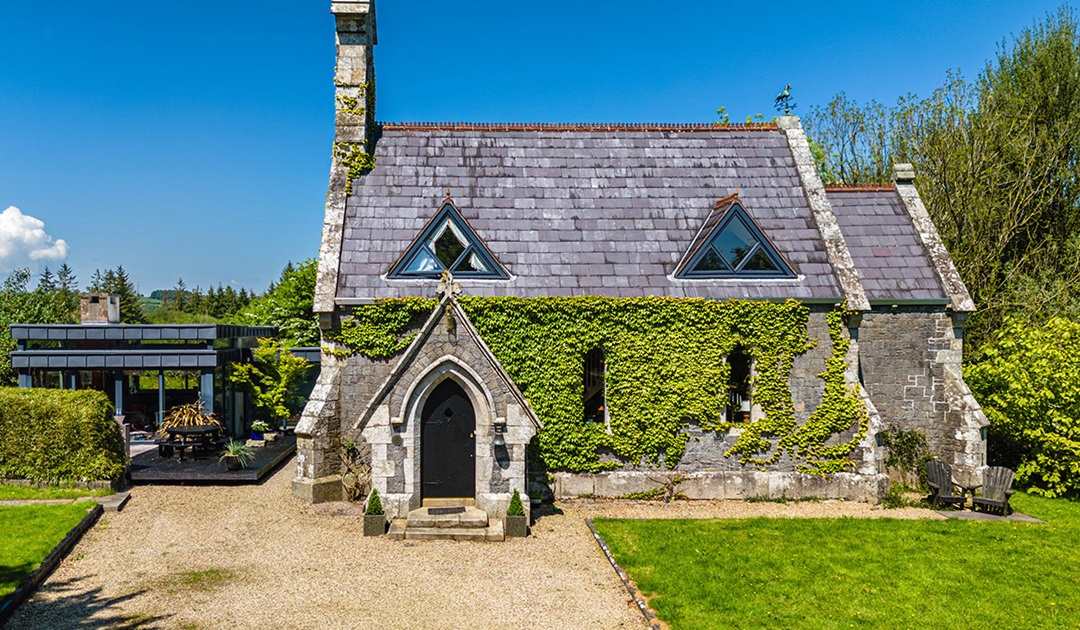
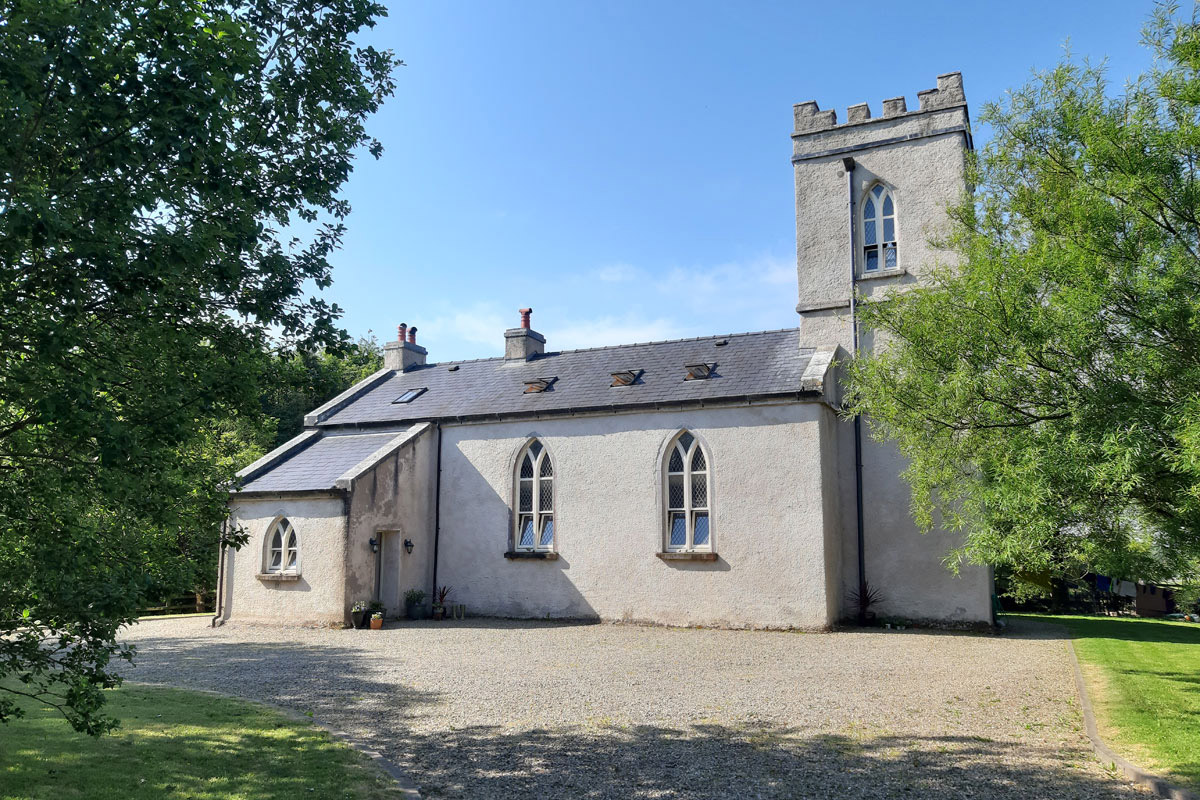
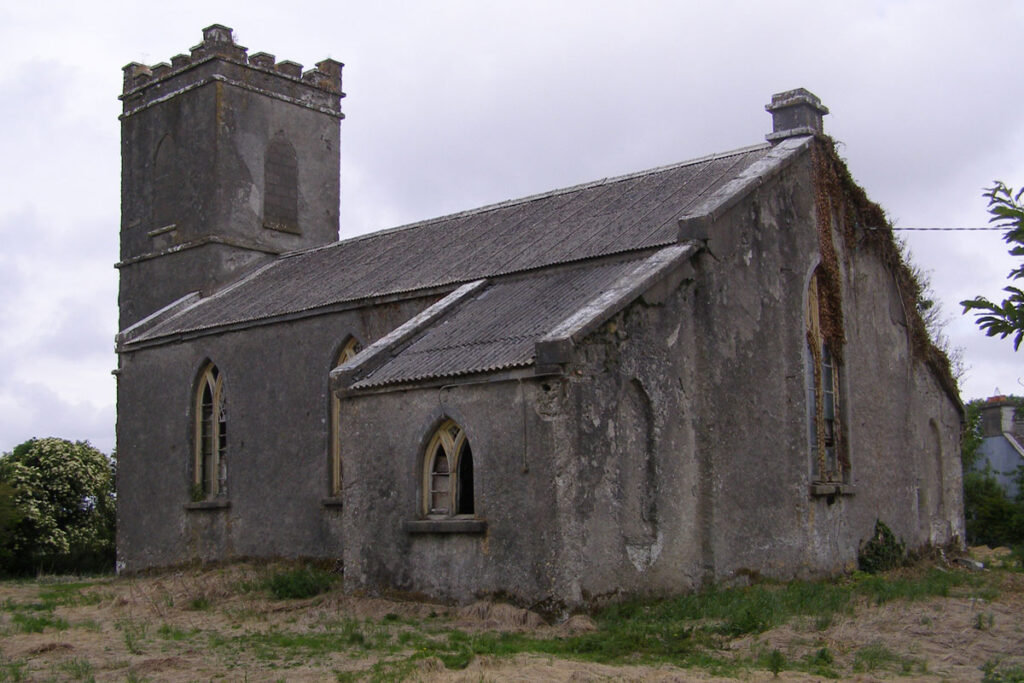
They were called to the old Church of Ireland property, complete with graveyard, that had once belonged to the Dunsandle House estate.
It was only about 30 kilometres from where they were living.
“There was nothing here when we bought it, just rubble and dead crows.”
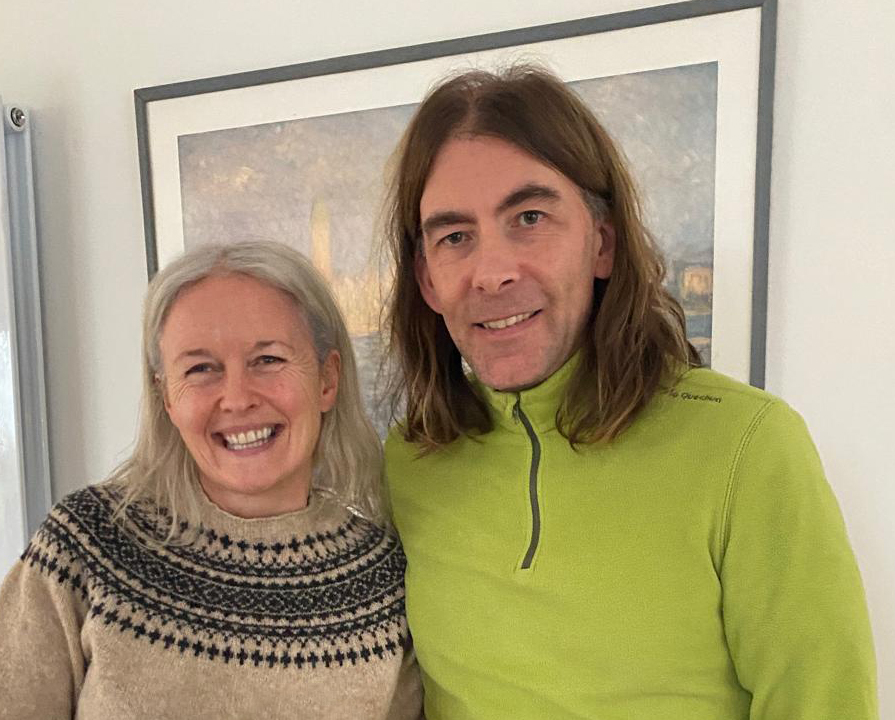
It had been deconsecrated in 1920 and was in a parlous state.
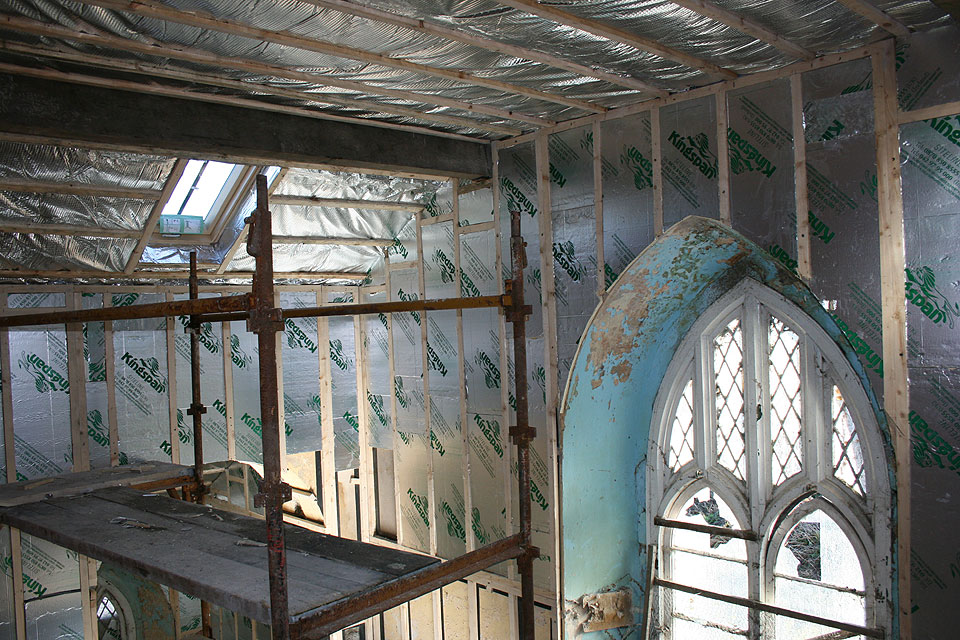
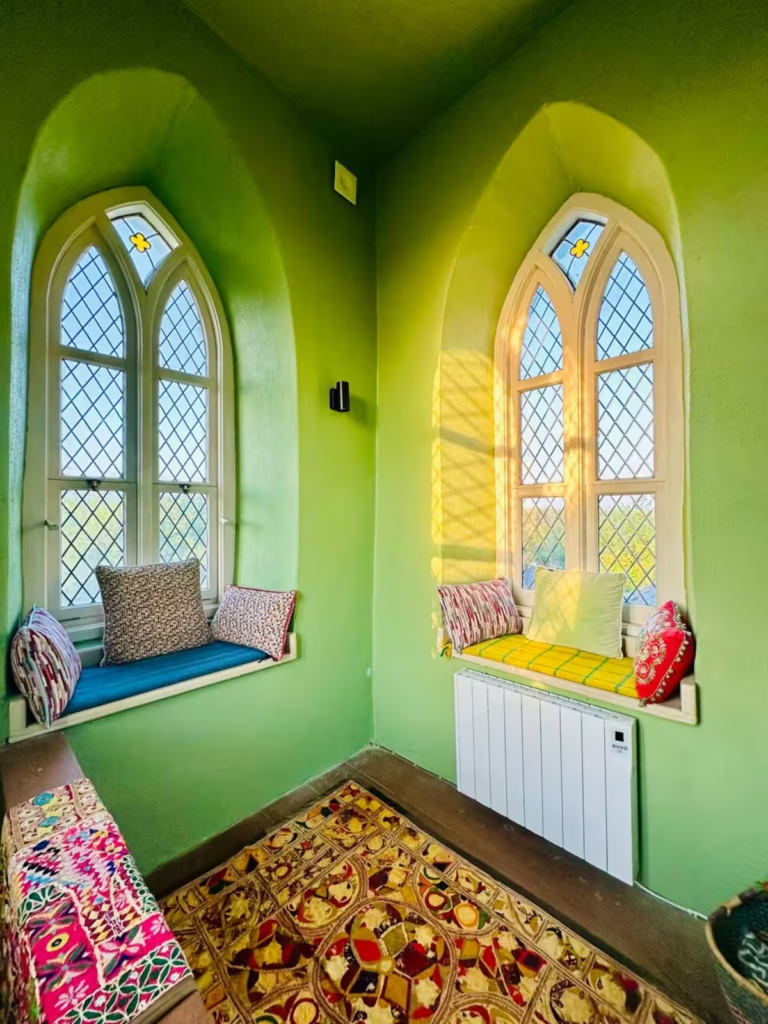
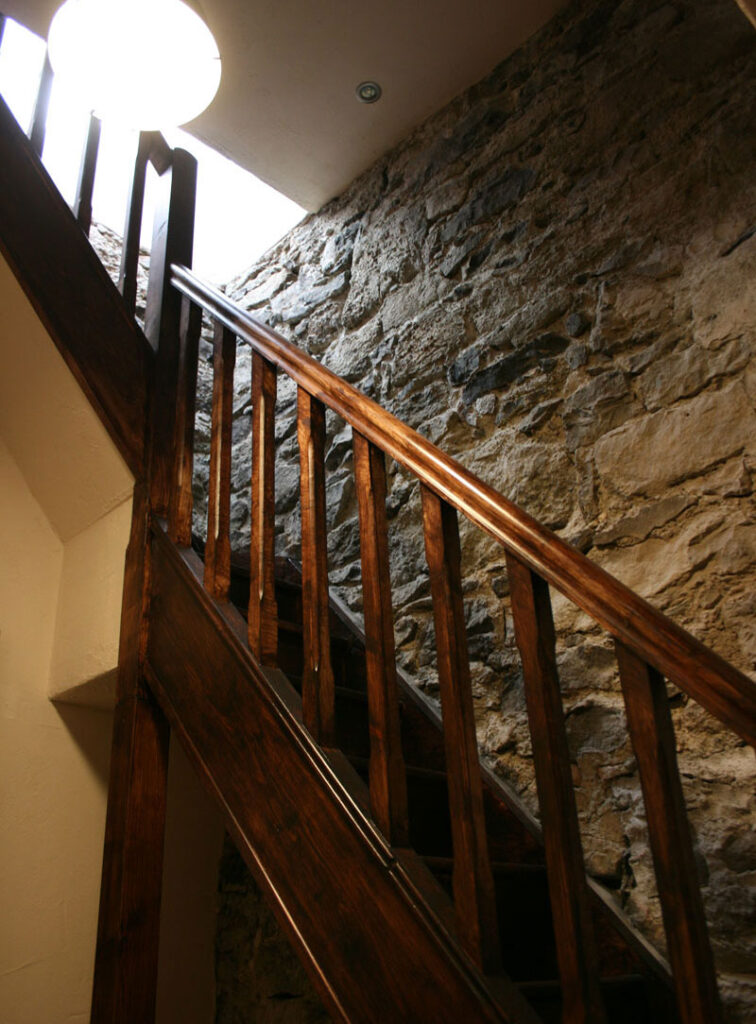
“There was a roof on it, but we totally replaced it. All the windows had to be replaced. The existing ones are timber with faux leaded beading on them to mimic the original Gothic ones."
They were lucky enough to know a builder who had recently renovated his own period house.
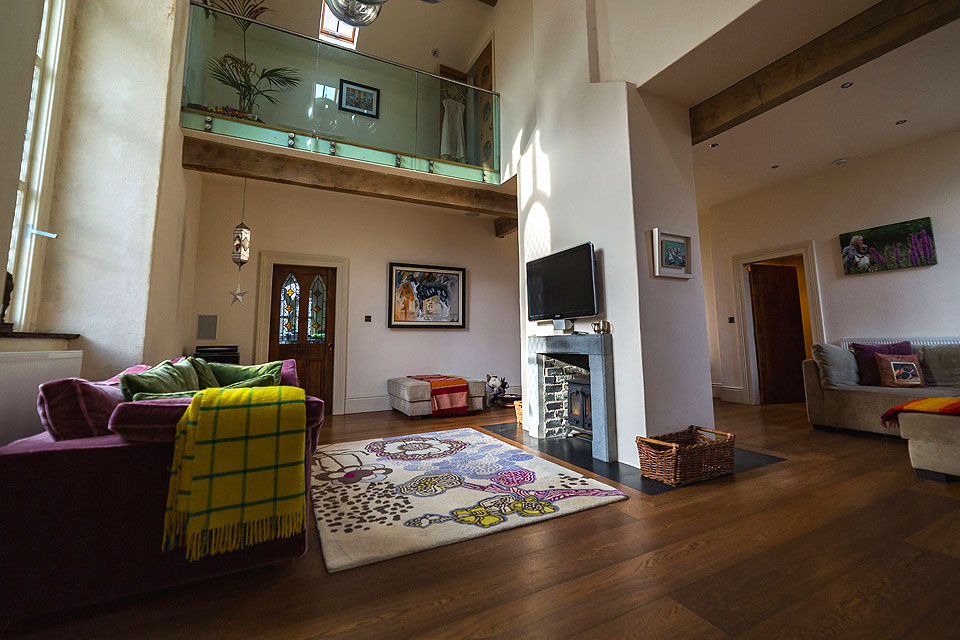
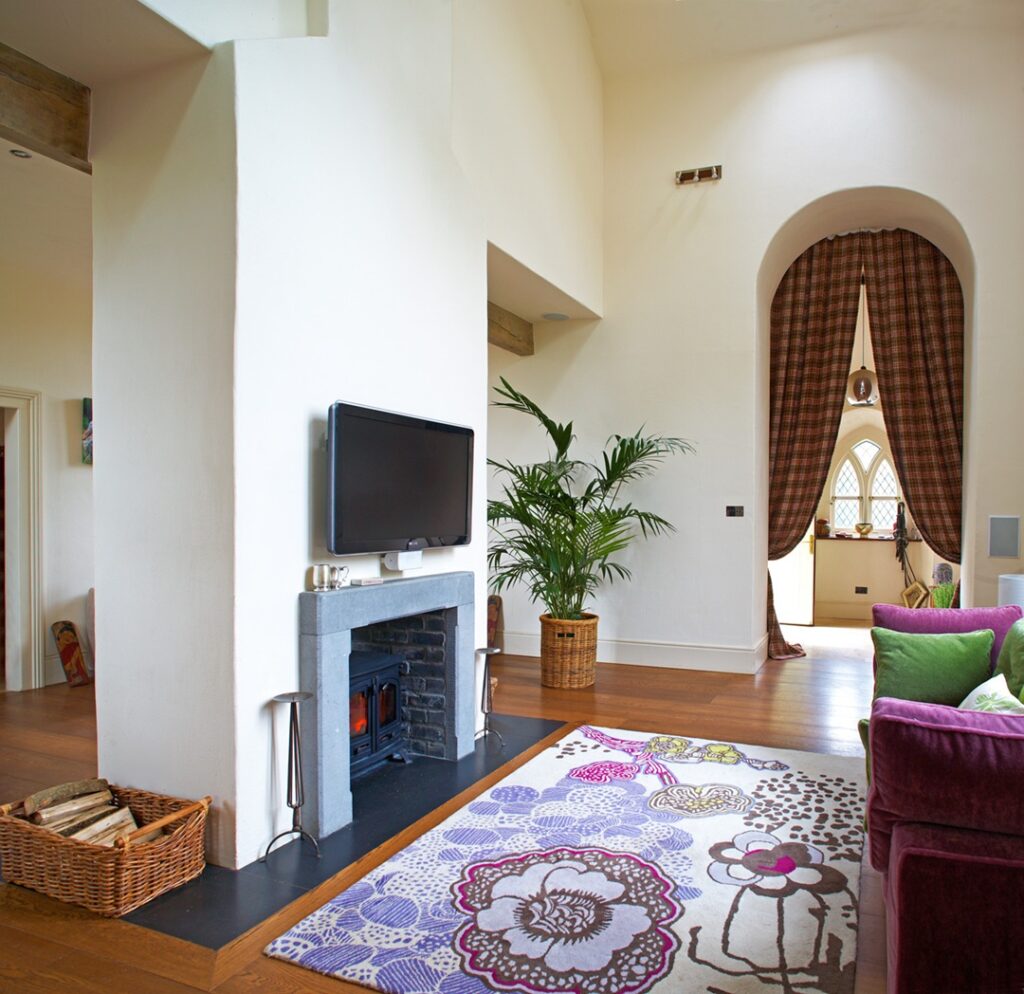
The building was dry-lined and the nave divided using a chimney breast with a double-sided solid-fuel stove set into it, creating a boundary between the two spaces, now a living area and a dining area.
There were some damp issues in the bell tower that they had to remedy.
During the build, have multiple visits from a conservation architect and a conservation officer at Galway County Council. They verbally gave the OK to their approach.
They also drew their attention to the heritage grants available, available to owners of protected structures, which contributed up to 50 per cent of the cost of the works.
Nowadays, these grants are available under the Built Heritage Investment Scheme and allow homeowners of listed buildings to make applications for works to the building. These applications can be made annually.
The plan had been to rent for nine months. It was two and a half years before they we moved into their church. It was livable, but we still have a fair bit to do
Because the project ran on for 30 months, they were able to make two applications, one for stonework in the first year and one for windows in the second year.
“I think we got €23,000 in grants over the two years,” he says.
"As you go through the renovation, you’re drawing down more and more money. Towards the end, you’re paying full rent and full mortgage. You definitely have to have a contingency and plan for a bit more again," he counsels.
“We spent a lot more renovating it than we did buying it, not far off twice what we paid for it. To get the work done now, we would have had to spend three times the amount,” he admits.
“We got carried away. You fall in love with a building, and it can take years. We’d be a lot more careful now to get the finished project and the funds to cover it. Is it going to be worth the cost of the renovation?”
In the current high cost of refurbishment, one wonders if the answer is no.
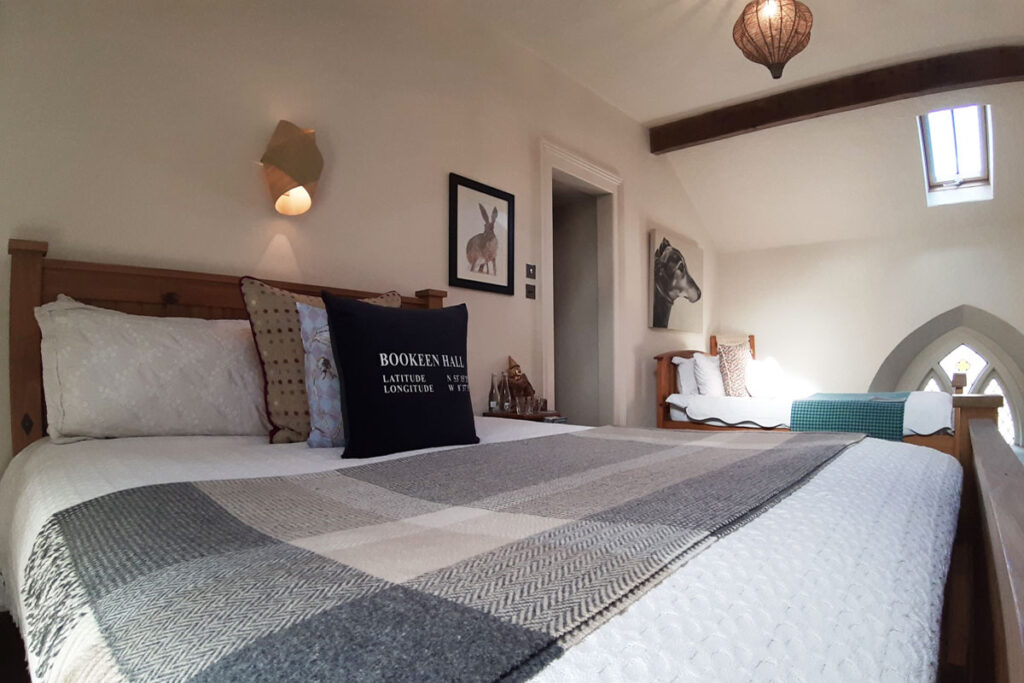
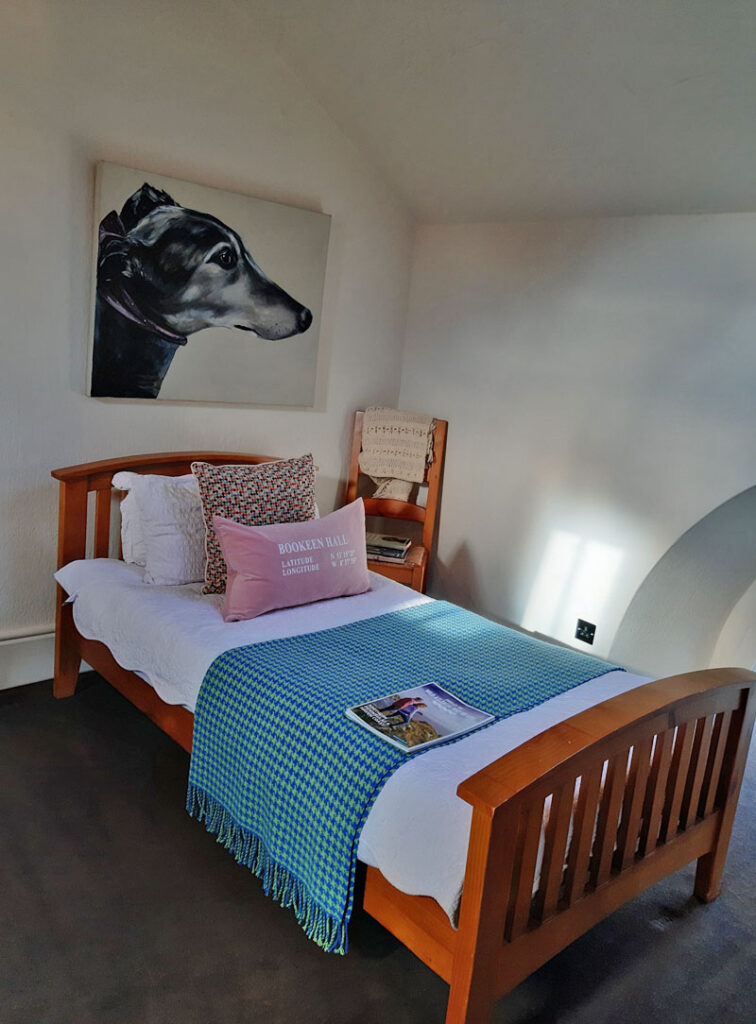
The couple Airbnb their spare room and do a lot of trade with gourmands visiting Michelin-starred Lignum, which is a distance of just eight kilometres, a 10-minute drive away.
The property is now called Bookeen Hall, and you can also book directly through it. The room costs €150 and includes a vegetarian continental breakfast.