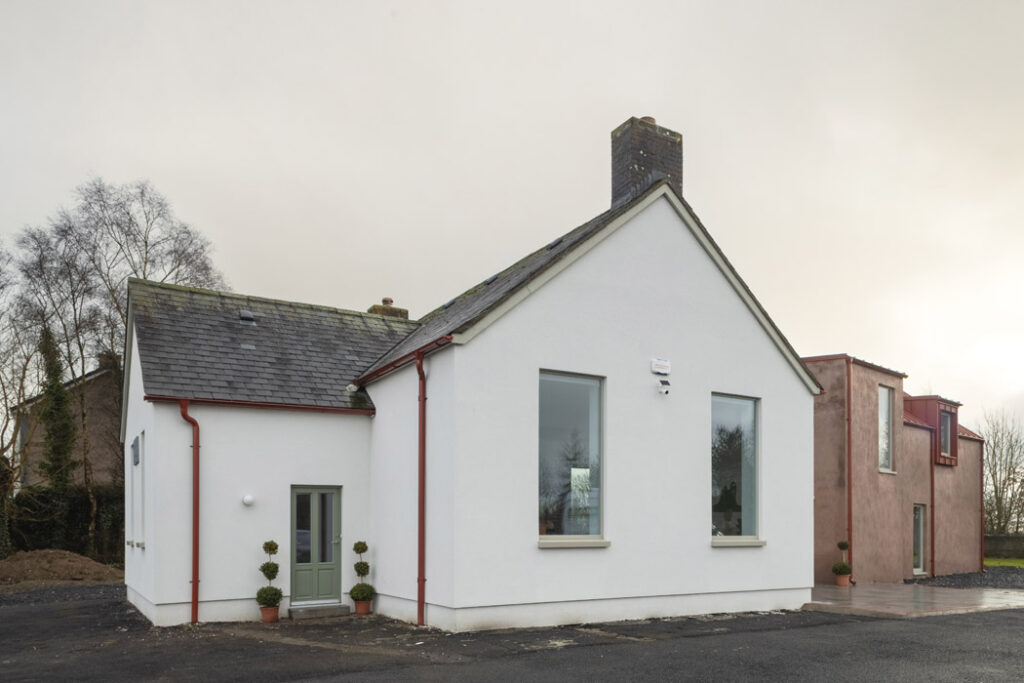
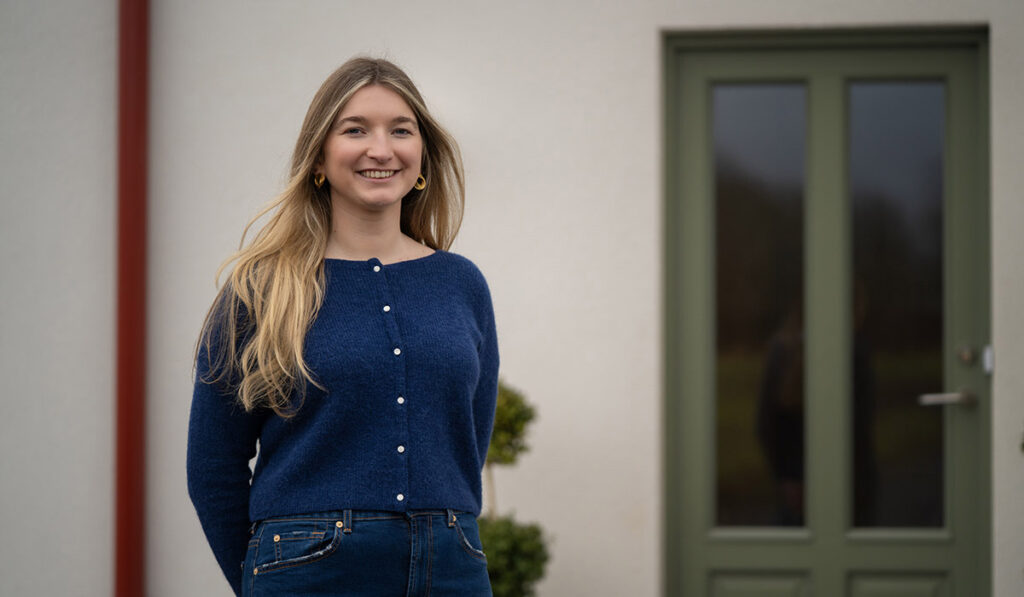
Jill Leavy, a first-time buyer and an accountant, bought a derelict national school, renovated and extended it, coming in under budget on the project, while delivering a top-class, A-rated refurbishment to RTE’s Great House Revival.
At the age of 30, she owns a three-bedroom, 240 square metre, A-rated house that she plans to grow into.
Jill Leavy has managed what many of us can’t.
She had spent months looking at properties in Dublin 4, 6 and 8, asking her brothers, Vinog and Ian, an engineer, or her father, a farmer who also runs a stove company, to also view them to give her second opinions.
“They were horrified by every one [of them],” she recalls.
It was her father, Vincent Leavy, who first suggested the school to her.
Situated on the edge of her native Coralstown in Co Westmeath, where her dad went to school, it’s a property type that has “gorgeous volume”, she explains.
It’s a style that has large windows that bring light into the centre of its sizeable rooms.
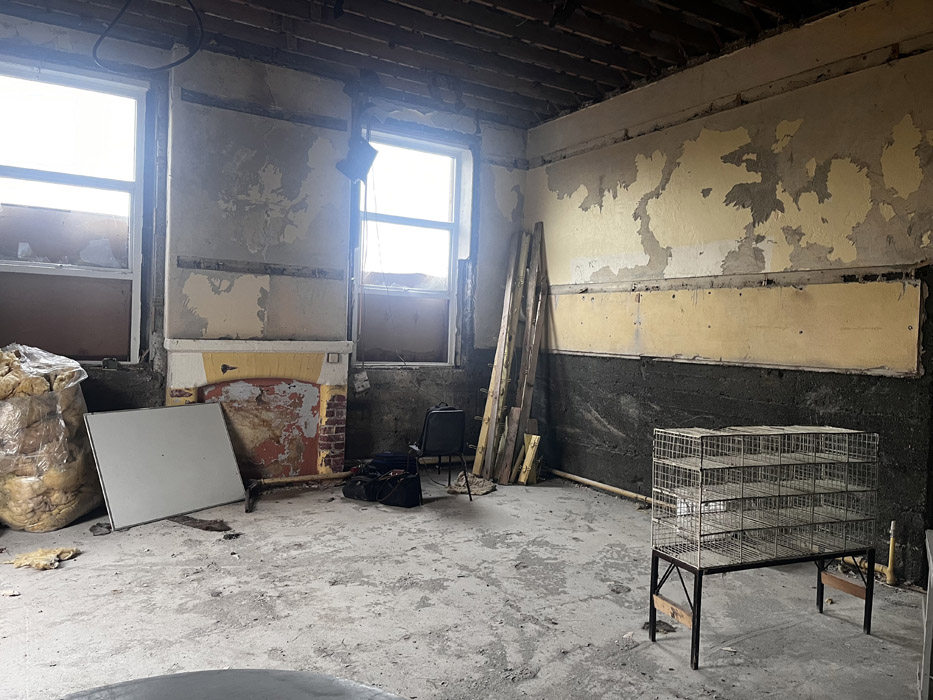
Hers was literally one big room, bookended by fireplaces, with an entrance porch to one side and an extension, added later, that housed the toilets.
She met architect Alex Stupor at a wedding and, having talked to him at length at the event, tracked him down afterwards to draft plans for the place and to secure the relevant planning permissions required to change its use from school to private residence.
An accountant at one of the big four accountancy firms, she had handed in her notice, having studied for a master's in sustainability, before having to go and ask for her job back to execute the sale of the property.
She opted to manage the build herself, subcontracting the trades directly, a more affordable but infinitely more hands-on approach. Armed with an Excel spreadsheet, she met architect and presenter, the late Hugh Wallace on site at the early stages of the renovation that appeared on The Great House Revival.
She talked him through her plans to have the job done in about 12 months.
“You’ve some nerve, I think you're gas,” he said, downplaying just how difficult this kind of work can be.
That is, unless you have family members in the wings, there to help out at every stage.
The whole family rowed in. Her father attended site meetings and even helped draft plans for subcontractors who arrived days early on site – when Jill was in Dublin at her meetings.
Her two brothers, Vinog and Ian, an engineer, were on site every Sunday.
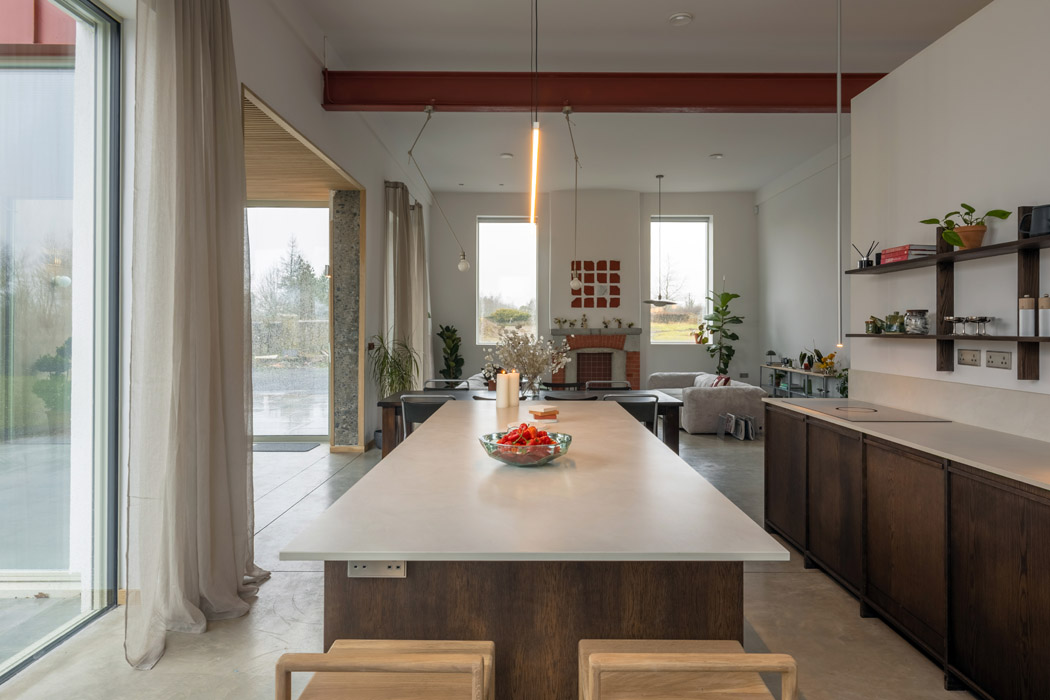
Her mother helped with some of the décor choices. She found the kitchen table on Facebook Marketplace and sanded it and stained it for her.
It also helped that many of the trades she employed were local and known to one of the family.
All this unseen assistance really helps a project of this sort run smoothly.
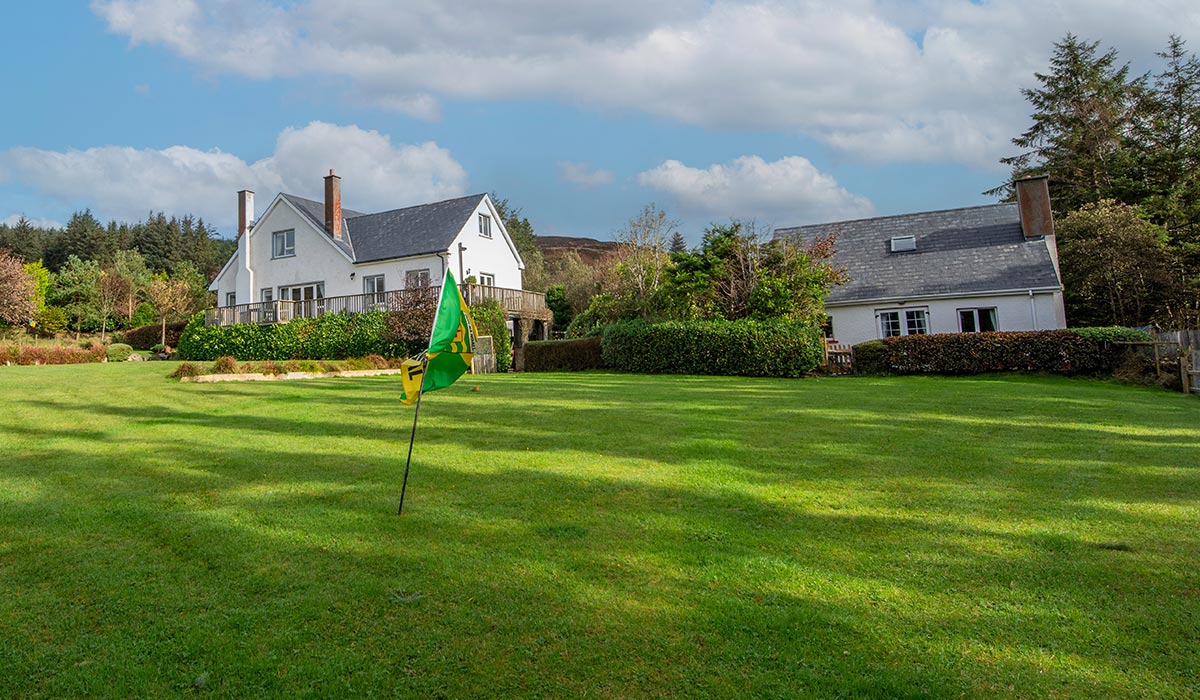
Set on about an acre of land with the N4 almost over the hedge, she bought the 140 square metre school for about €180,000.
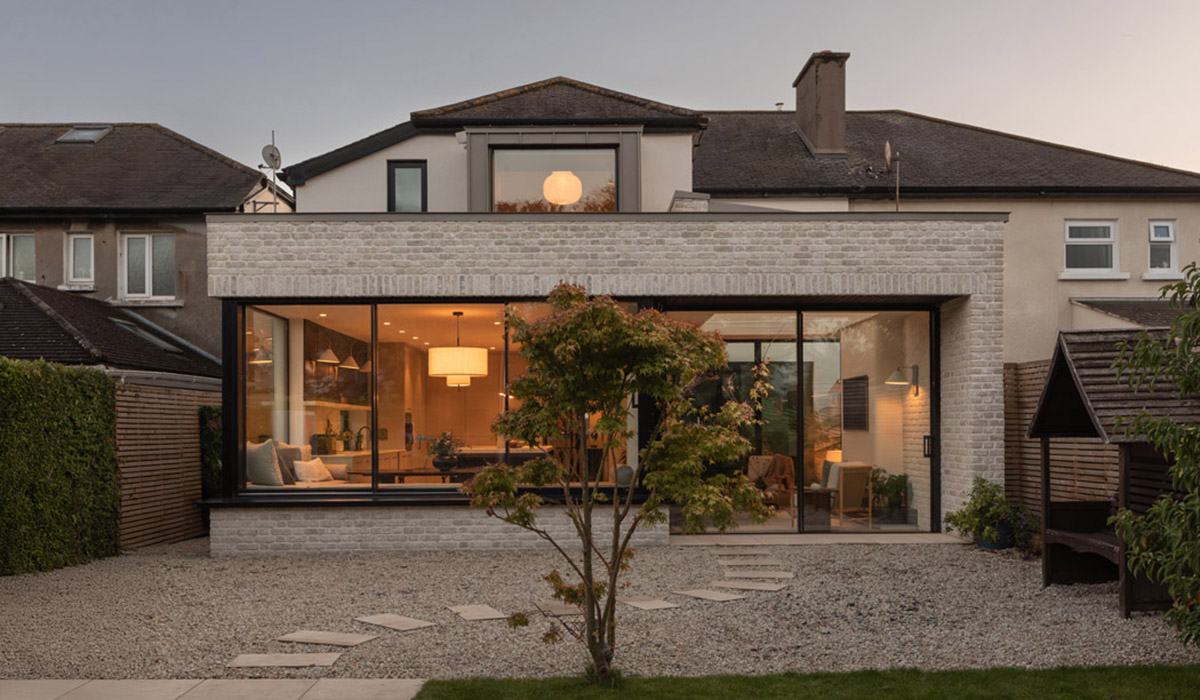
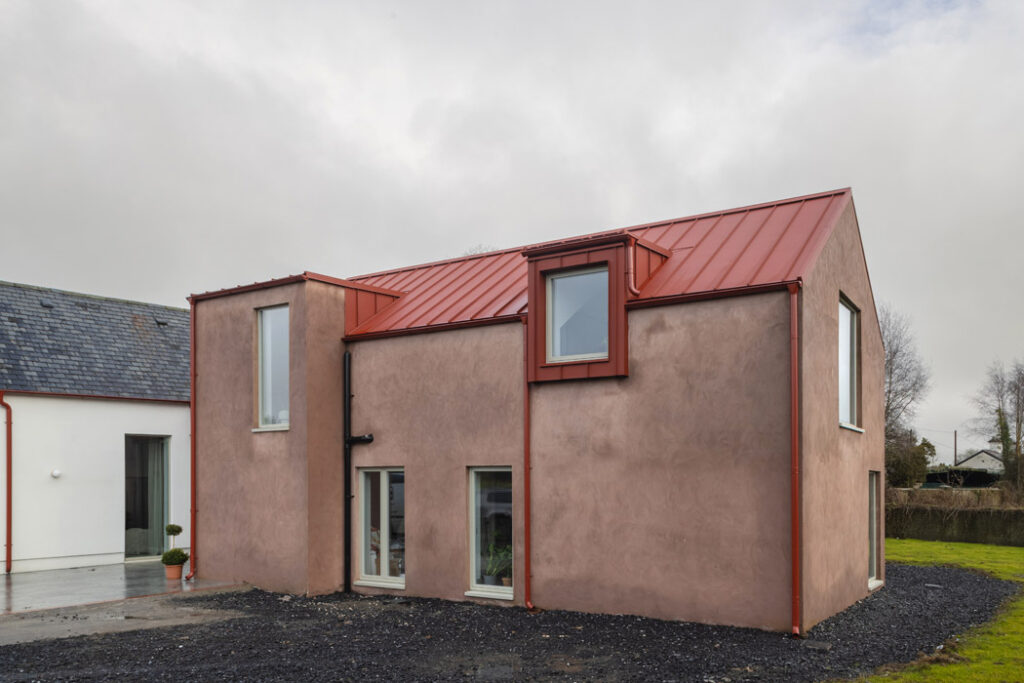
She knocked down an extension, retaining 100 square metres of the original building and added a further 140 square metres.
Made of mass concrete, a very modern construction method when the building was erected in 1932, when the state was only in its infancy, the new build extension features a coloured sand and cement render, made by mixing a brick tint into the mix.
She got this in her local hardware shop.
She had a budget of €370,000 and managed to bring it in for about €310,000, she estimates, availing of the vacant and derelict property grant and a few energy upgrade grants.
She now has a three-bedroom, detached A-rated property that is about 80 km from Dublin city centre, well within the outer commuter belt.
As well as being a farmer, her dad runs a stove and pellet company, Next Gen Energy Concepts, and so brought a lot of practical experience to the table.
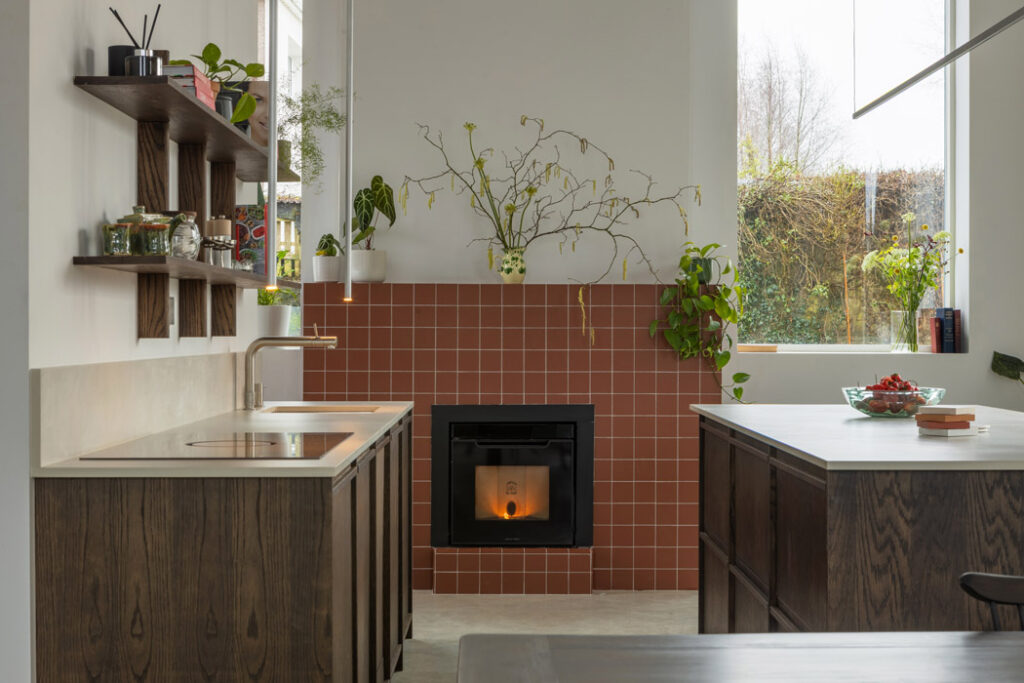
Although the house is A-rated, he counselled her to have a second heat source option, mainly because she had grown up with an Aga and on cold mornings loved to open its doors to get a blast of heat.
You’ll never last without a heat source in the kitchen, he told her.
He was right, she says.
“There is nothing like a direct heat source.”
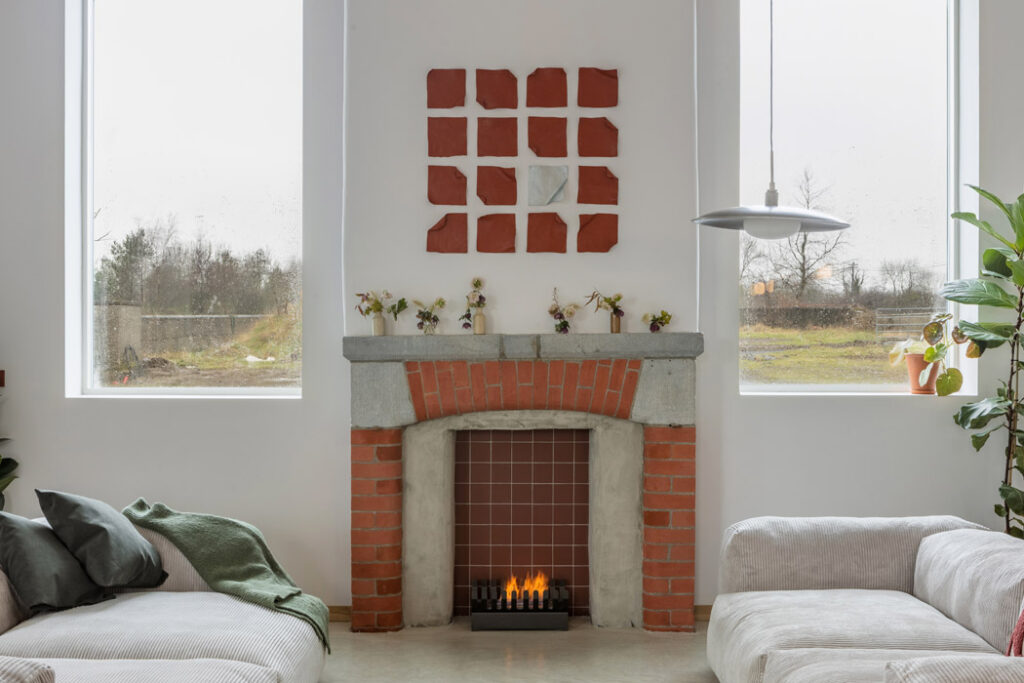
She loves it so much that she’s toying with the idea of upgrading the bioethanol stove in the living area to something similar.
Appearing on the TV show also brought benefits.
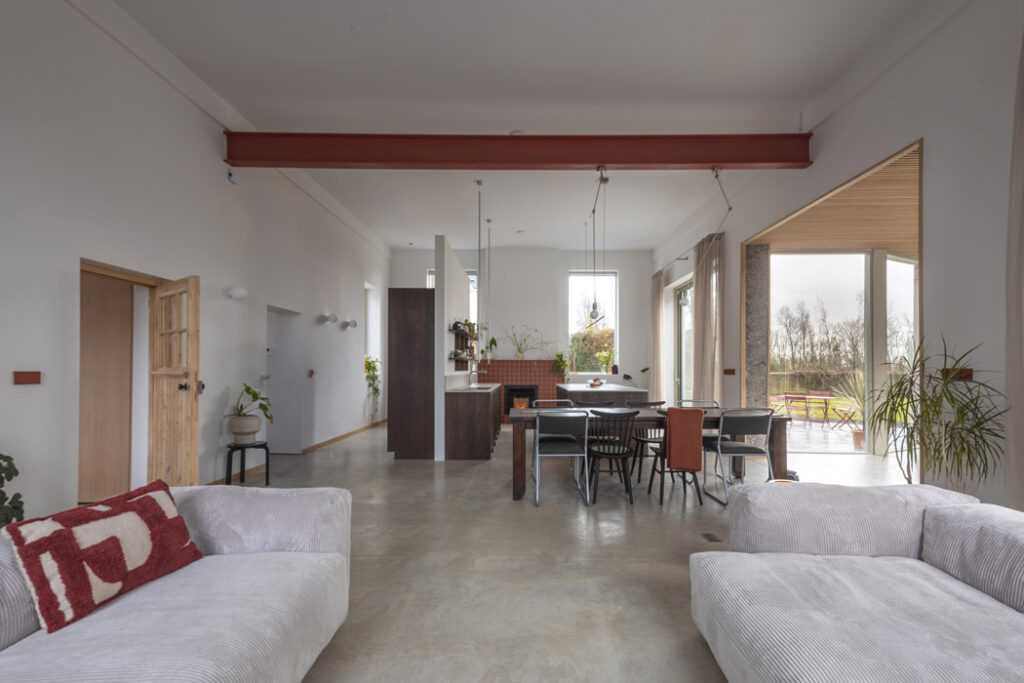
The sponsor, Dulux Heritage paint, gave her product, which covers the walls and ceilings, and she got a competitive deal from Rationel windows, for the publicity.
She retained some of the original features like the six-pane timber classroom doors, which have been stripped back to the grain.
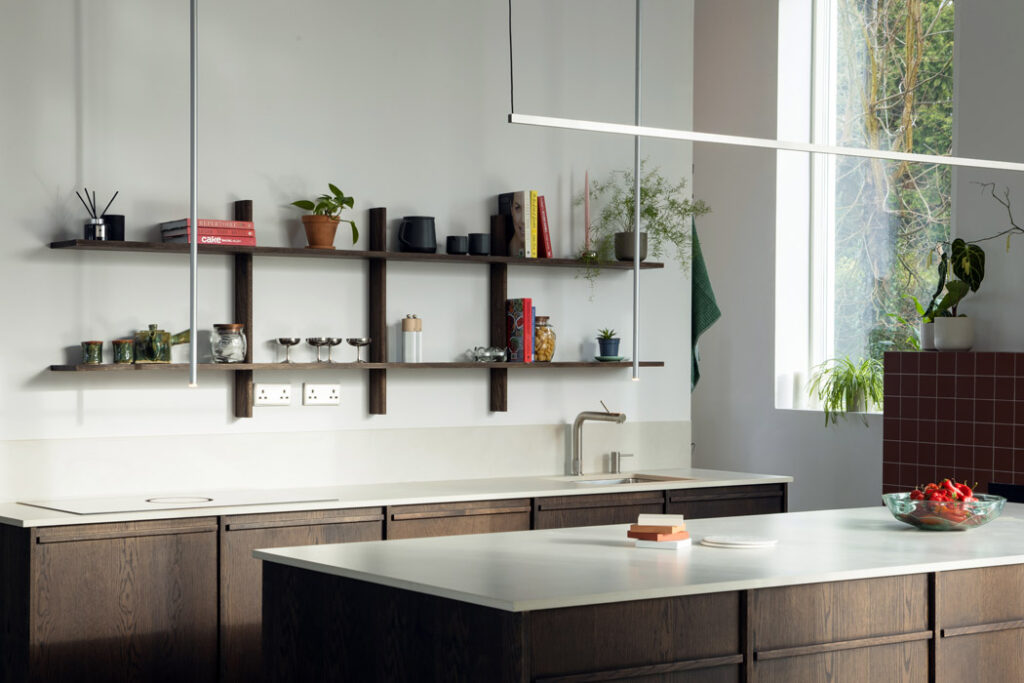
The kitchen is Rostrevor-based Studio 84, whose work she found on Instagram.
One of its key features is the Makus induction hob, a sleek design that comes in a variety of colours and finishes, from pink to marble and terrazzo.
It includes a downdraught extractor. Her’s is in a silvery finish called Moon.
The 90cm design costs about €3,900.
The light switches came from Jung. She had to go through the UK stockist, rather than the cheaper European stockist, to comply with UK and Ireland standards.
The entire property is now warmed by underfloor heating, operated by an air-to-water heat pump.
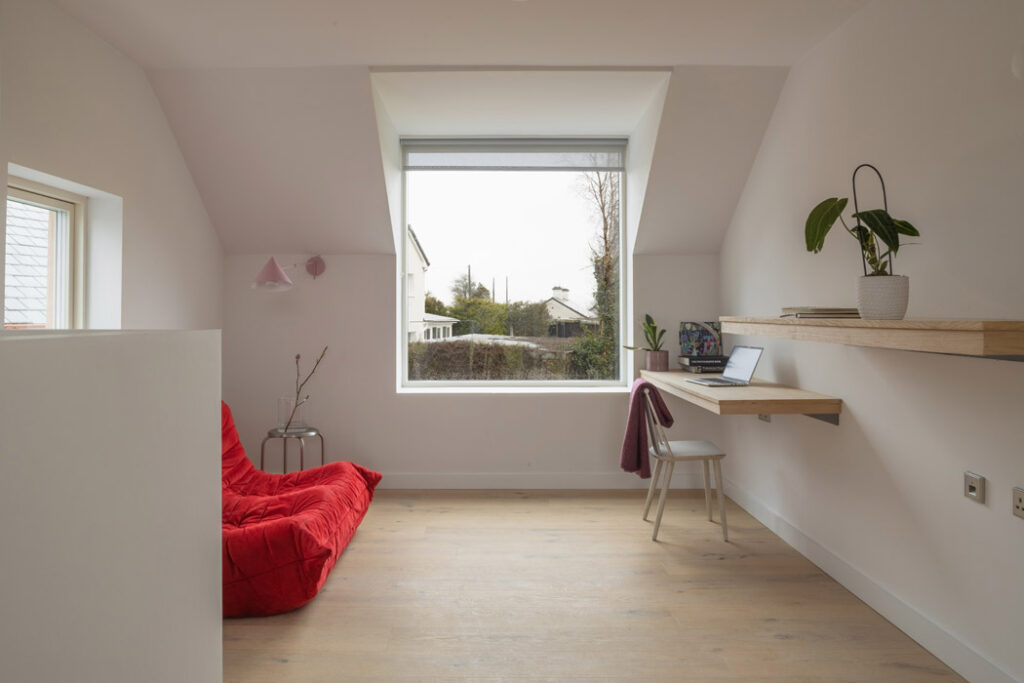
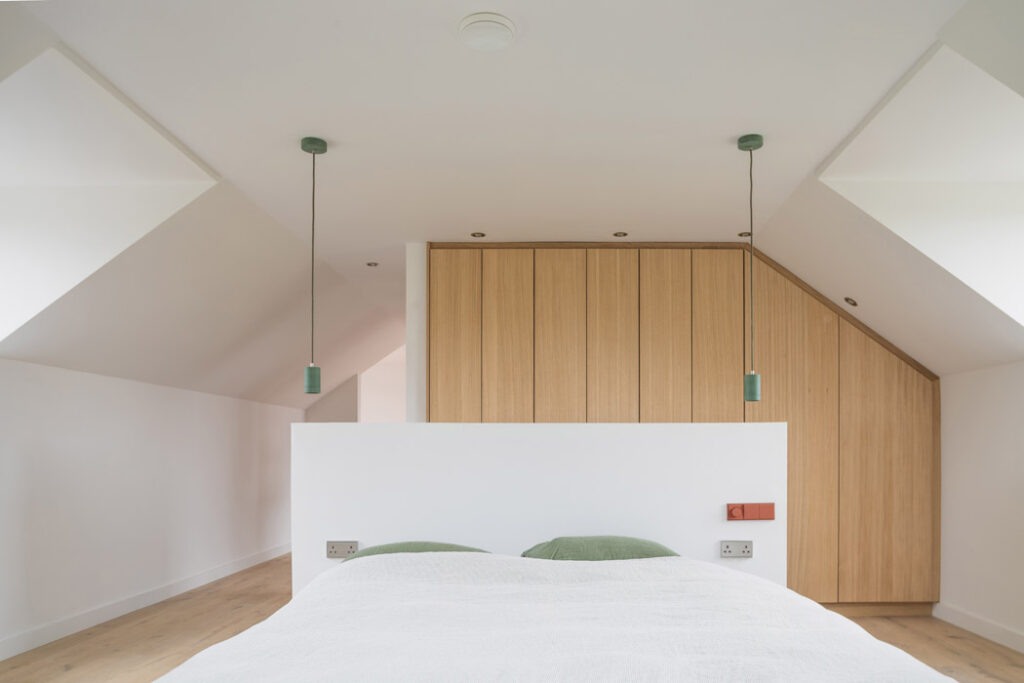
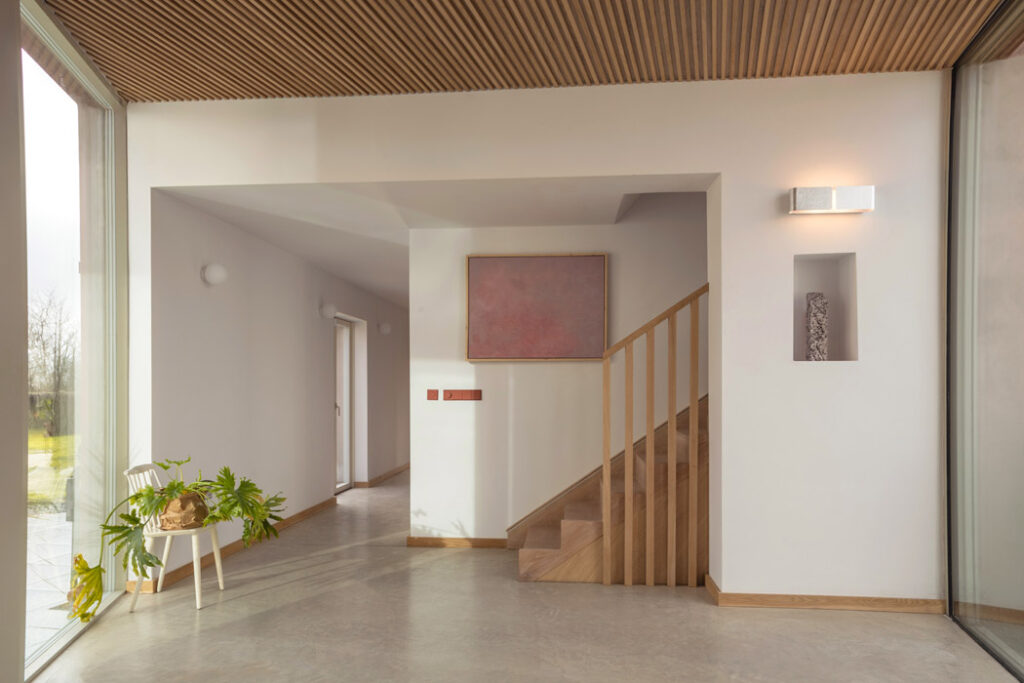
It's three bedrooms, two on the ground floor and the main bedroom upstairs, which are in the new extension linked by a glazed hall.
The standing seam, zinc-coated steel roof and downpipes came from FTH Mullingar.
A felted underlay on the metal absorbs condensation and reduces sound (of the rain hitting the roof) to the human ear by about 40 per cent, explains its MD Aironas Auryla. Good acoustic property and performance insulation, such as rock wool, is also essential, he says, cautioning that if the property is in a very windy area, it may still sound noisy.
The Great House Revival airs Sundays at 9:30 pm, RTÉ One and RTÉ Player. To view schools currently for sale in Ireland, visit this link