Last month, we watched NASA's Artemis II mission launch to the Moon in a record-breaking feat. Now you can see the same sights the astronauts did with Astronomy Ireland.
Fast forward to tomorrow night, Friday, May 22, and Astronomy Ireland wants to show the nation the amazing views that were seen by the astronauts on board the spaceship Artemis II.
At 8.30 pm, Astronomy Ireland will recreate the views through giant telescopes during a huge public event at its HQ in Rosemount Business Park, Dublin 11. Tickets can be booked here.
For those looking for more, these five observatories offer a perfect opportunity to take in major astronomical sights on a stargazing getaway.
OM Dark Sky Park in the Sperrin Mountains
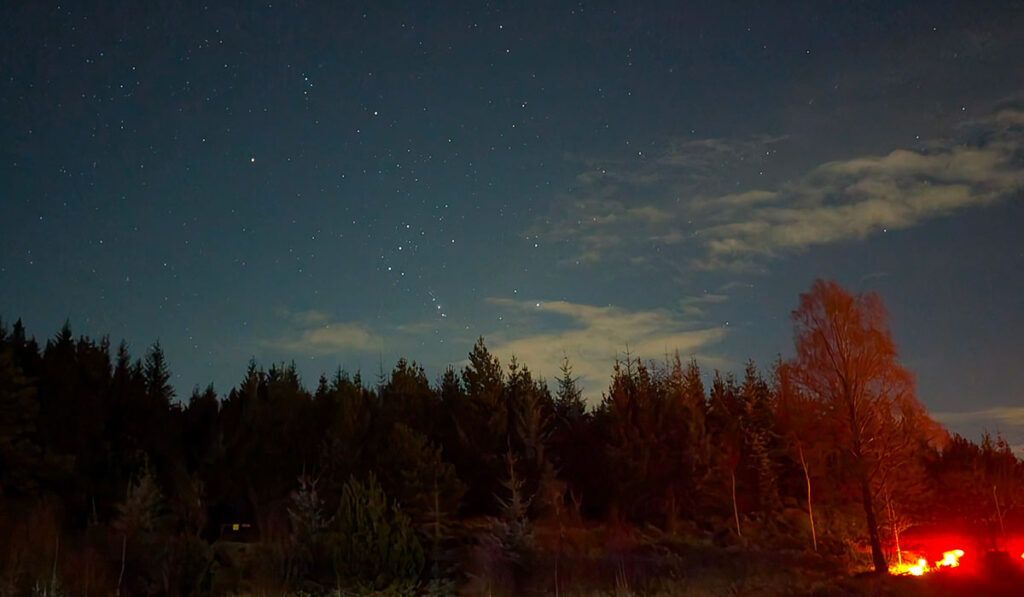
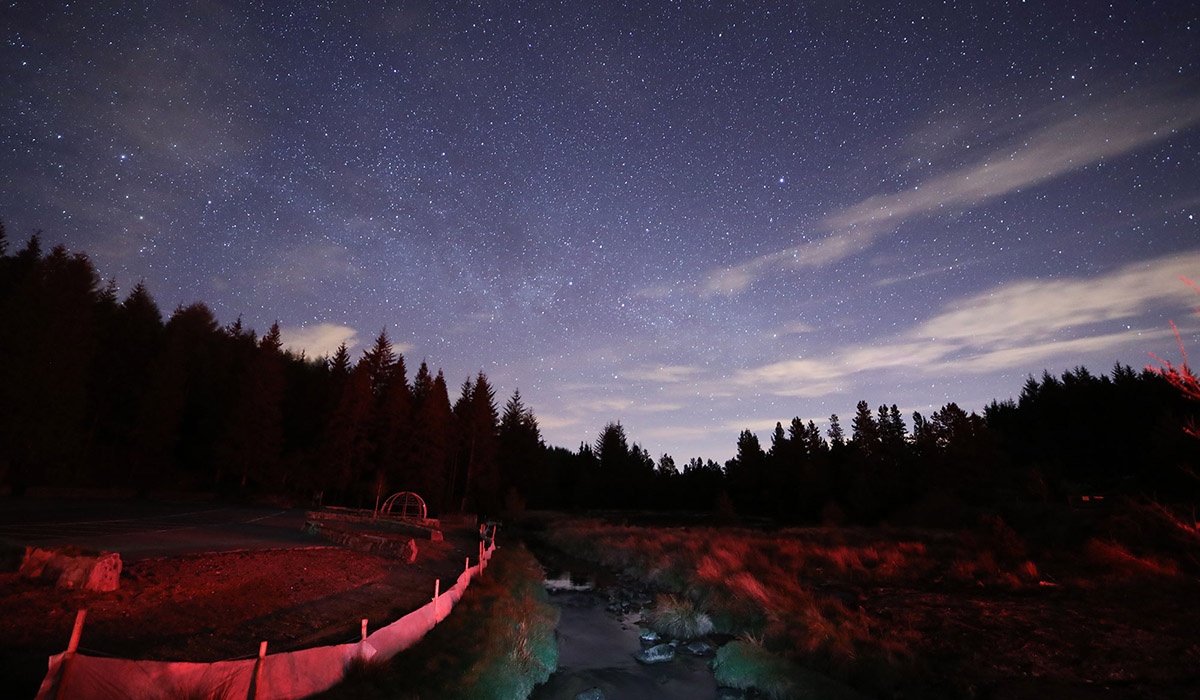
The OM Dark Sky Park and Observatory in the Sperrin Mountains offers one of the best astronomical views in Ireland due to its clear absence of light pollution.
Nestled in the Davagh Forest in Co Tyrone, the site became the 78th area in the world to achieve official International Dark Sky accreditation.
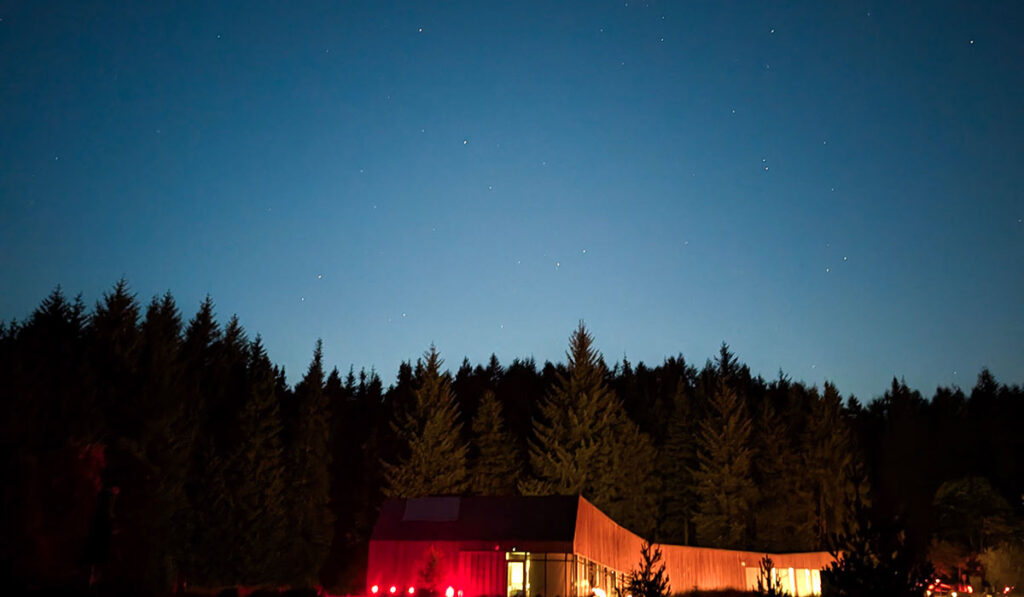
OM gets its name from 'the sound of the universe', which is also known as Aum. The name also connects to Ogham, the earliest written source of the Irish language.
The Observatory provides a series of events for visitors throughout the year, with daily guided tours showcasing an interactive lesson in the astronomical and archaeological heritage of the Sperrins.
Once a month, there is a special bat walk at sunset, along with forest bathing and lunar observing sessions.
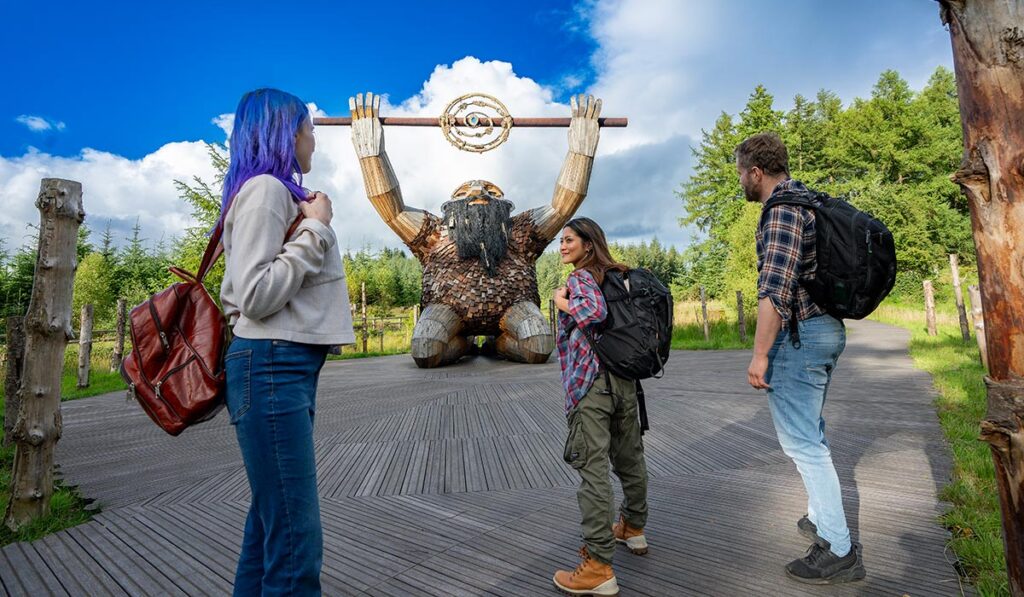
Returning this September, the site will showcase new Moon observing sessions, which occur every month when the Moon is not visible in the night sky, therefore being the best time for stargazing.
Visitors will gain access to the observatory, where the hosts use a large telescope with a high-tech imaging system to demonstrate live astrophotography on an organised group tour.
Rosse Observatory at Birr Castle
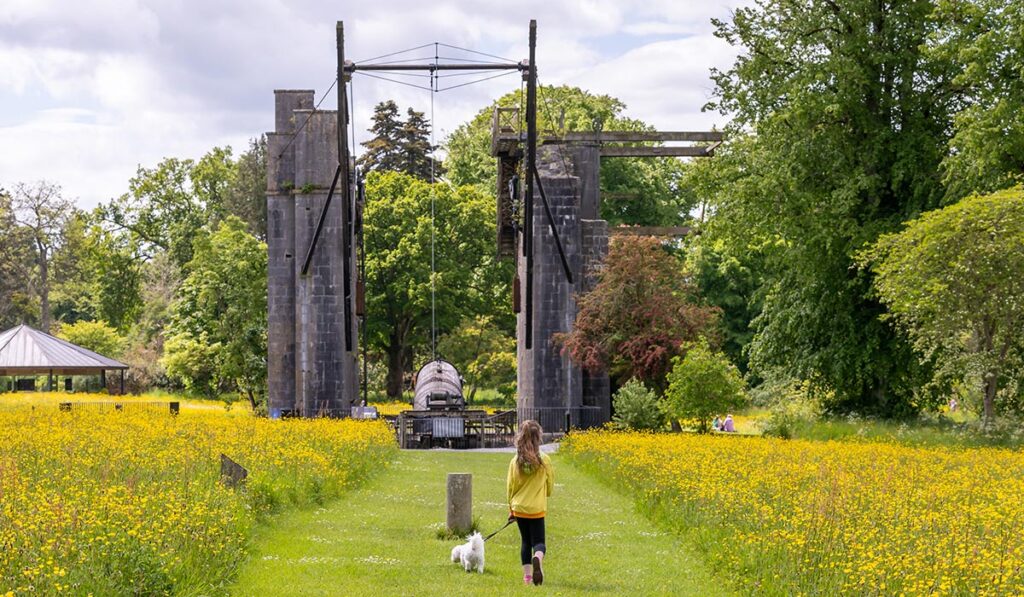
Rosse Observatory is located within the grounds of Birr Castle Demesne in Co Offaly, but is operated by Trinity College Dublin.
The historical site is dedicated to studying radio emission from astronomical objects such as the sun, pulsars and other variable sources.
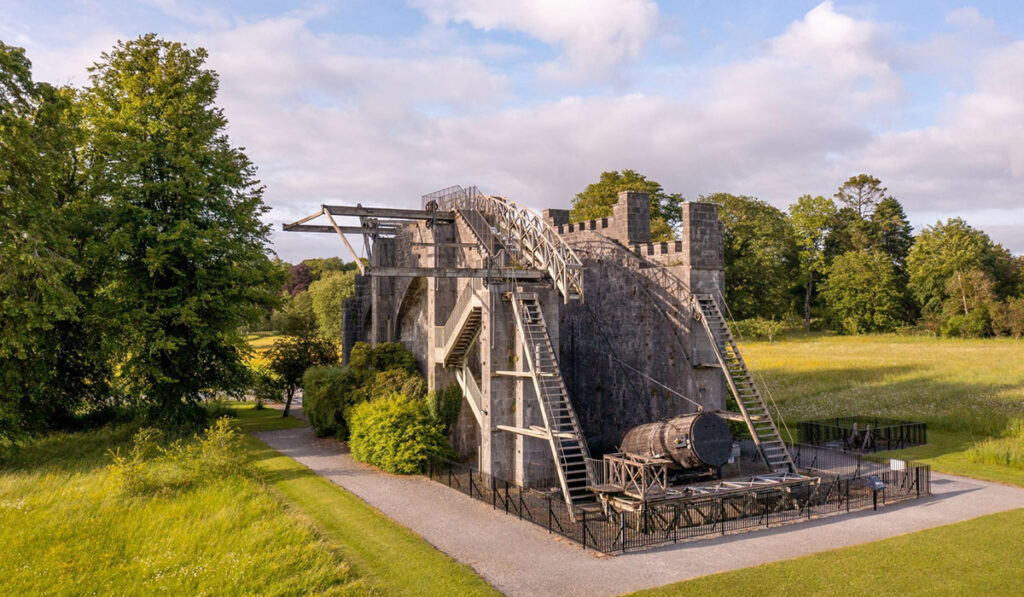
The observatory is home to a cutting-edge radio telescope funded by Trinity’s €1.4 million grant from Science Foundation Ireland.
This joins Leviathan, otherwise known as the Great Telescope, which was built at Birr Castle back in 1845 and remained the largest telescope in the world for 70 years.
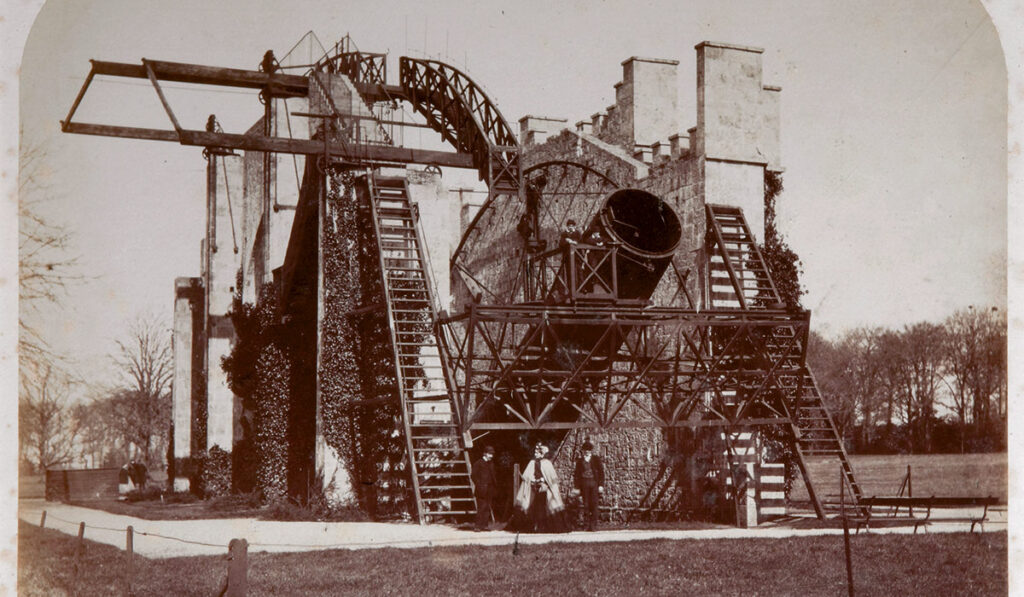
While year-long memberships are on offer, visitors can also book tickets to explore various parts of the site. Special astronomy events are in the works for later in the year, but are yet to be confirmed.
General admission, which is priced at €12 for adults and €7 for children, allows visitors to witness the Leviathan, the Formal Gardens and more, while a pre-booked guided castle tour is also available for €22.
Armagh Observatory
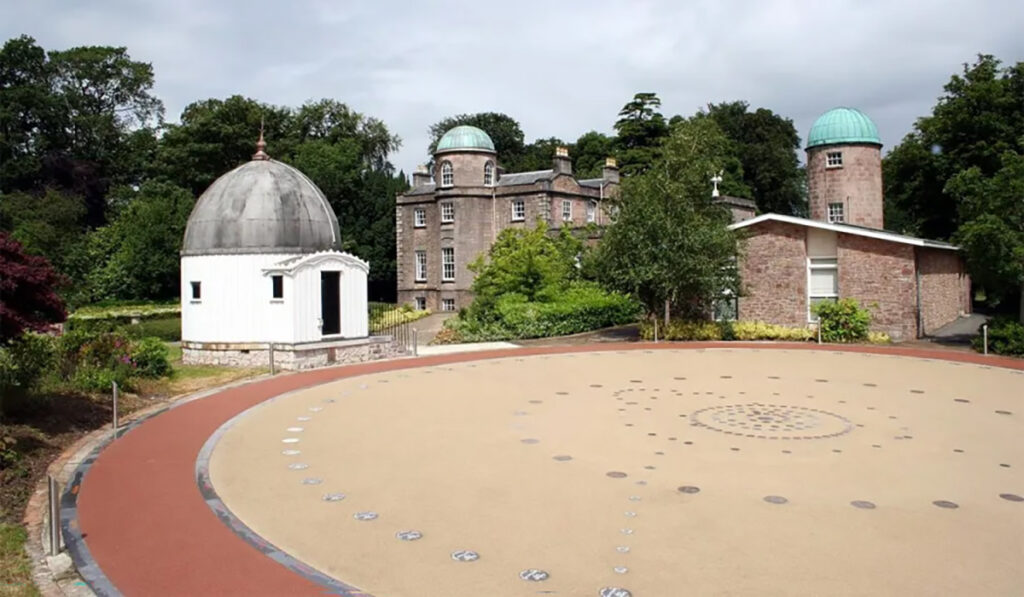
Armagh Observatory, a beautiful Georgian building surrounded by 20 acres of green space, features a number of historic telescopes.
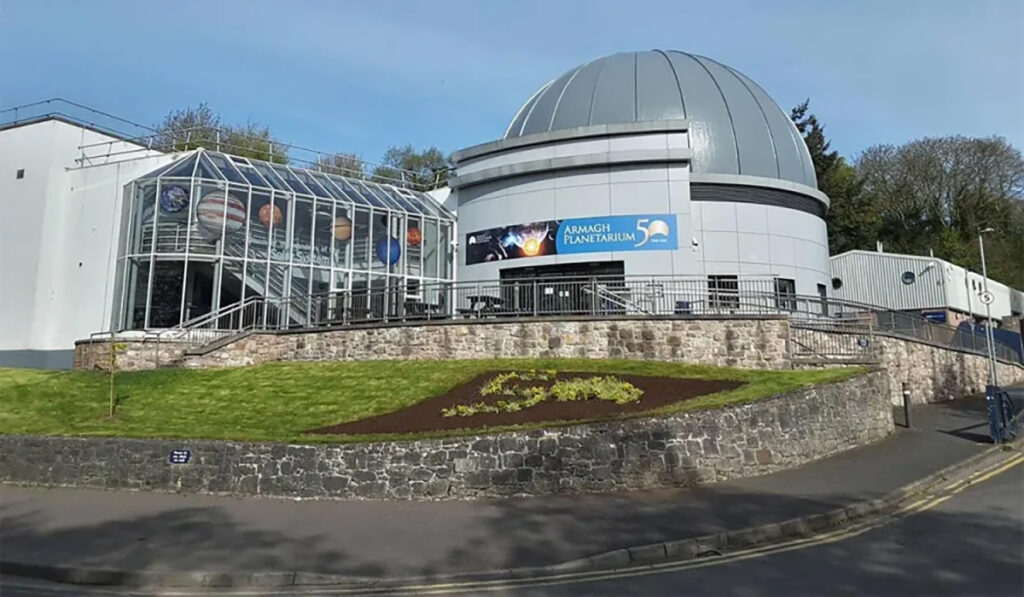
It was opened in 1790 by Archbishop Robinson and still operates as a research facility to this day, while the accompanying planetarium has been running since 1968.
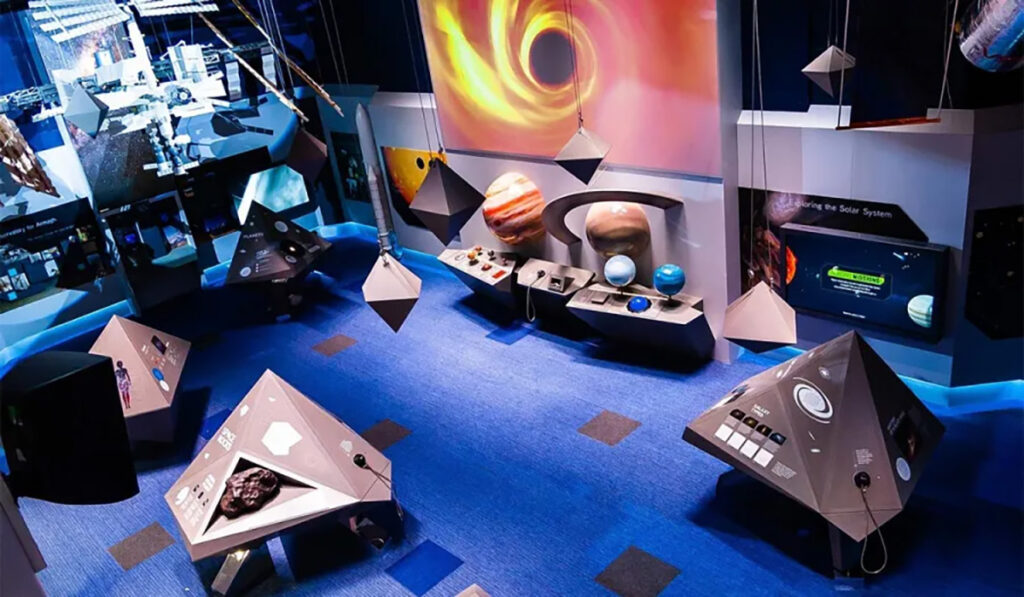
The site’s main attraction is a 360-degree digital theatre, which presents €6.95 immersive dome shows that cater for people of all ages.
However, there are also special events held on the grounds all year round, ranging from tours of legendary telescopes, €17, to paint and sip adult nights, €40.
A recent introduction at the planetarium is Accessible Sundays, which are held on days when the number of dome show visitors is reduced.
The sound levels in the building are reduced, with sensory bags and equipment made available.
Outside of these events, the quietest times to visit the planetarium are 2 to 5 pm on a weekday or 4 to 5 pm on a weekend.
Dunsink Observatory in Dublin
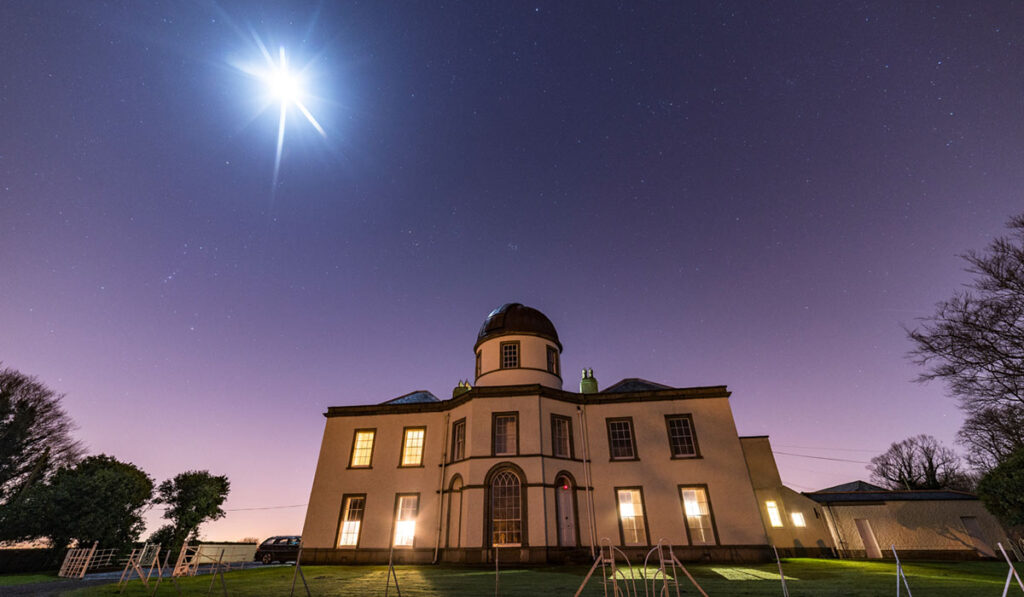
Dunsink Observatory is situated just over eight kilometres northwest of Dublin city centre, resting between the Royal Canal, the Navan Road and the M50.
While it is just a 10-minute drive from Dublin Airport, it is strongly recommended to arrive by car or bike, as travelling by bus or train leaves a three-kilometre walk up Dunsink Lane.
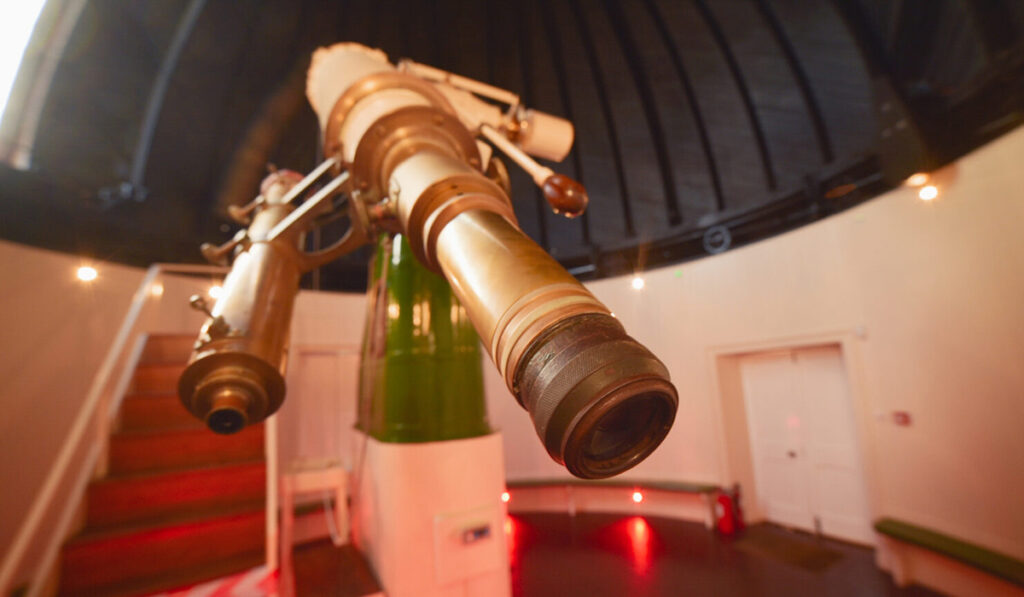
The site has been a centre for astronomical research and public engagement in Ireland since its foundation in 1785, doubling as the home of many well-known Irish scientists, including mathematician and physicist William Rowan Hamilton.
As a working research institute, the observatory is open to the public for select events throughout 2026.
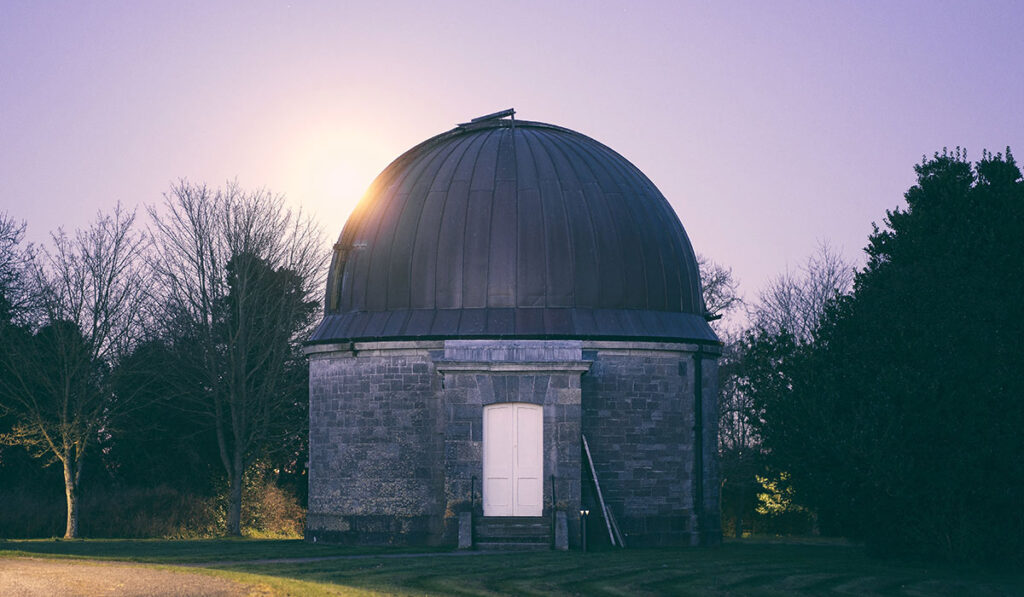
Dunsink offers public visitor nights, which include night-long talks, conversations, demonstrations and stargazing if the weather permits.
Visitors can meet the scientists at the Dublin Institute of Advanced Studies, with the site also providing activities for children, including a historic trail and activity sheets.
Blackrock Castle Observatory in Cork
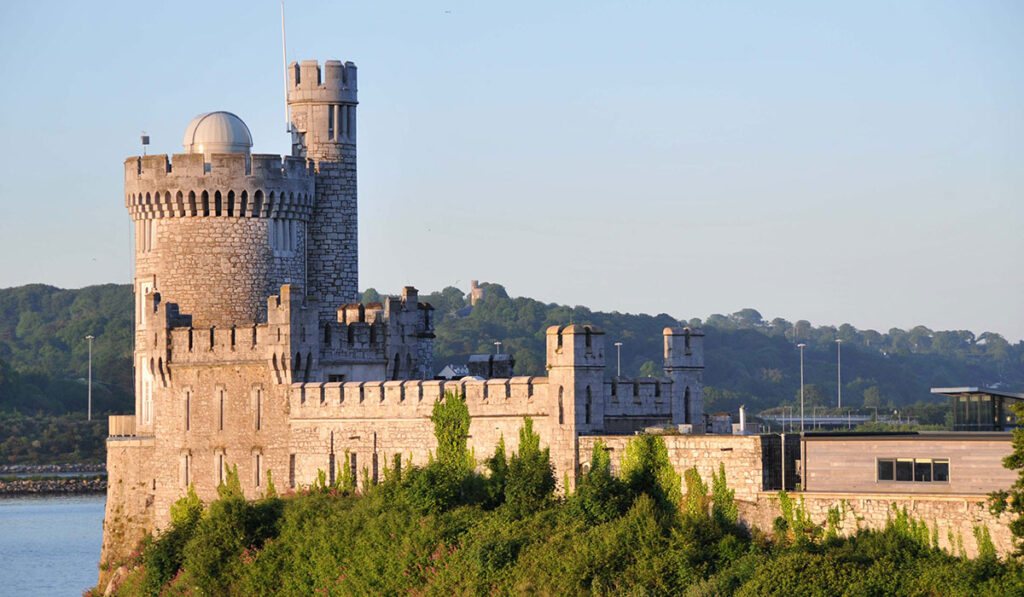
The 16th-century Blackrock Castle in Cork is home to a space science centre and observatory, which operates in collaboration with Munster Technological University and Cork City Council.
The ancient site prides itself on ‘taking a journey through time’, where it offers an array of astronomical and historical events for visitors.
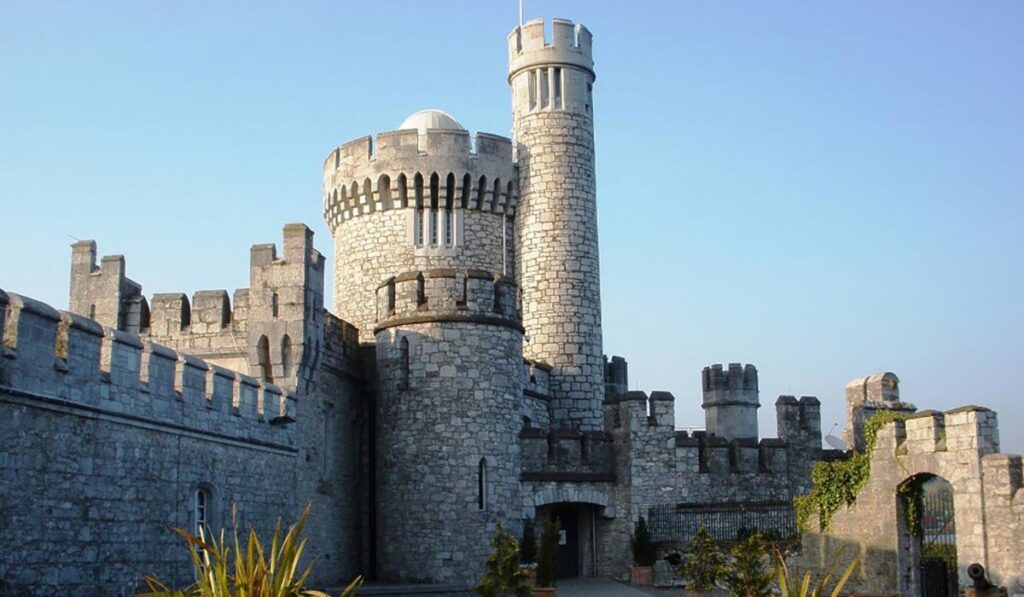
A resident astronomer is on hand to walk visitors through an interactive guided tour in the site’s planetarium dome, with no two shows ever being the same.
Admission gains access to the observatory’s science centre, with a self-guided castle tour also available to explore 400 years of history.
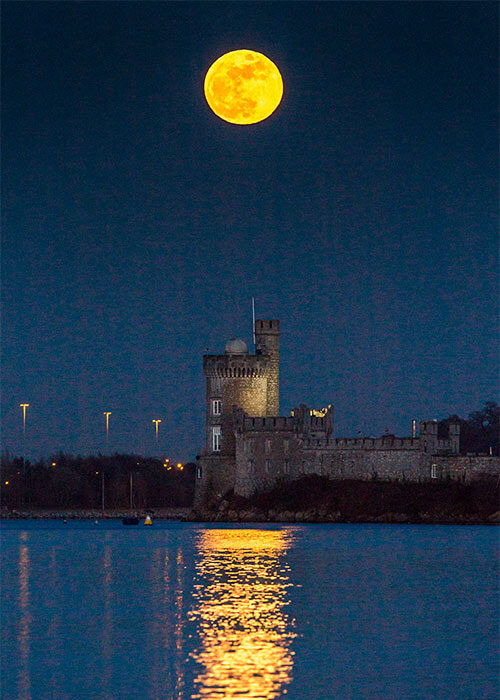
The organisation recommends The River Lee Hotel, The Metropole Hotel and The Montenotte Hotel for visitors to stay in during their visit.
Meanwhile, the observatory can be reached via a number of cycle paths, with bicycle parking adjoining an overflow car park just outside of the site.