Award-winning architect Robert Bourke walks us through the essential need-to-knows when designing your dream home.
The key thing to bear in mind is to somehow maintain a balance between the impulse to be wildly creative, while also being able to marry it with everyday functionality.
“Successful home design is about blending creativity with comfort and functionality,” explained Robert.
“It is not about following trends but rather creating the right flow between living areas, optimising natural light and thinking sustainably for the future.
"A well-designed home is one that supports how you and your family want to live, while adapting with your changing needs.”
1. Increase Natural Light
No matter what the orientation of a house, there is usually a creative way to bring in natural light.
Clever design techniques such as open-plan layouts or strategic window placement can minimise interior walls and allow light to reach further into the home.
If wall space is limited, skylights and roof windows can be an ideal way to enhance lighting from above.
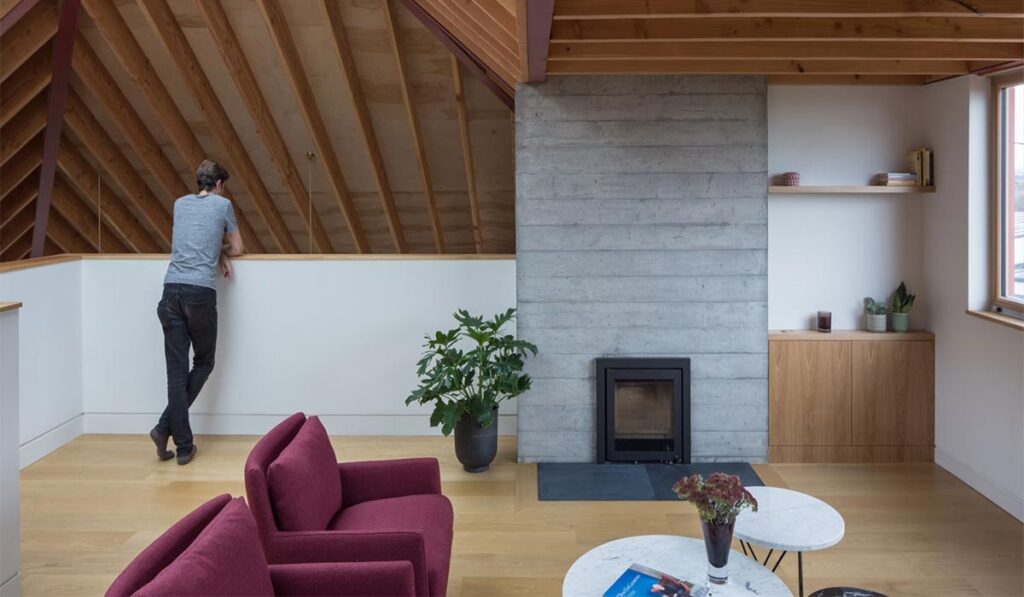
In a new build project in Dalkey, we placed a large rooflight at the apex of the roof to cast a diffused light across the main living spaces.
This also had the benefit of providing complete privacy.
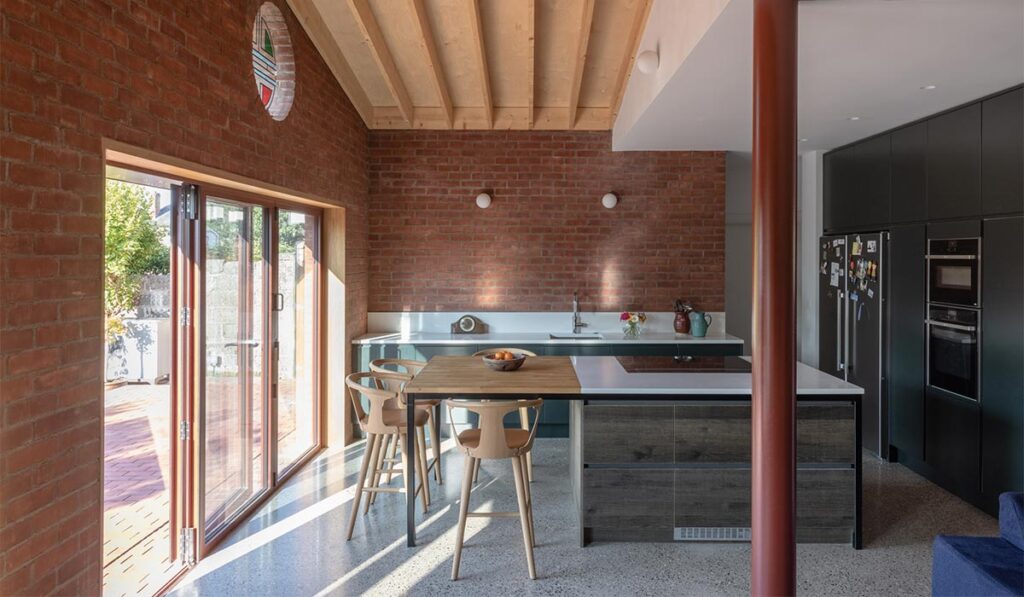
Another project involved the extension of a 1930s house in Terenure.
The north-west orientation meant that morning and afternoon light was limited. To help resolve this, we integrated a high-level, circular window to bring in additional light.
The owner commissioned a glass company to fabricate a bespoke stained-glass panel that was inserted into the brickwork opening.
In addition to providing invaluable light, it casts an interesting beam across the room as the sun moves throughout the day.
2. Create Flow
A good layout should guide people subtly from space to space.
Start by thinking about how you actually live and the spaces or activities that matter most to you. Planning for movement between living areas is one of the key tasks of an architect.
A spatial device we often use is to provide additional ways of getting from one primary living space to another.
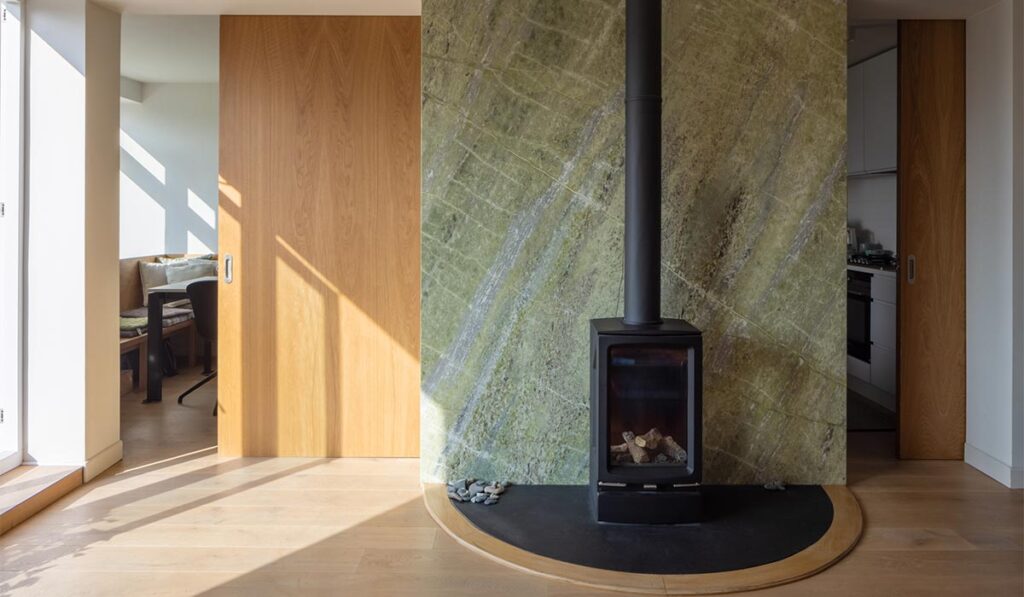
In a compact apartment project in Dalkey, we provided two openings between the living room and kitchen.
This not only improved flow but it also created a more spacious feel.
It became a key feature of the project, whereby oak-veneered doors slide neatly into pockets behind a screen clad in Connemara marble.
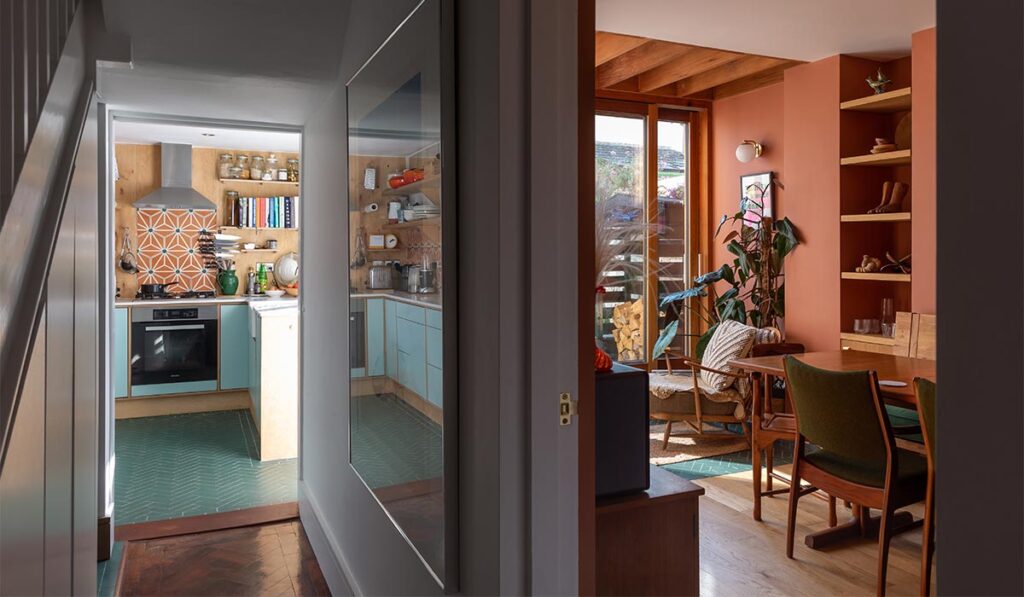
We recently completed an all-timber micro-extension in Balbriggan.
By adding just three square metres of additional space to the rear, the old door to the garden now serves as a new connection between the kitchen and living spaces.
A new sliding cedar door now forms a more dramatic entry point to the garden.
Again, by working carefully with the connection of rooms, functionality is improved and spaces are made to feel more generous.
3. Maximise Existing Space
A well-planned space will take account of the shape of the house in the case of an existing building or the footprint of a site, when building from scratch.
Whether your home is large or small, use the space you have as the driver, and plan within that, rather than following a wish list.
An efficient layout will make for a more integrated design, save you money and reduce your environmental impact.
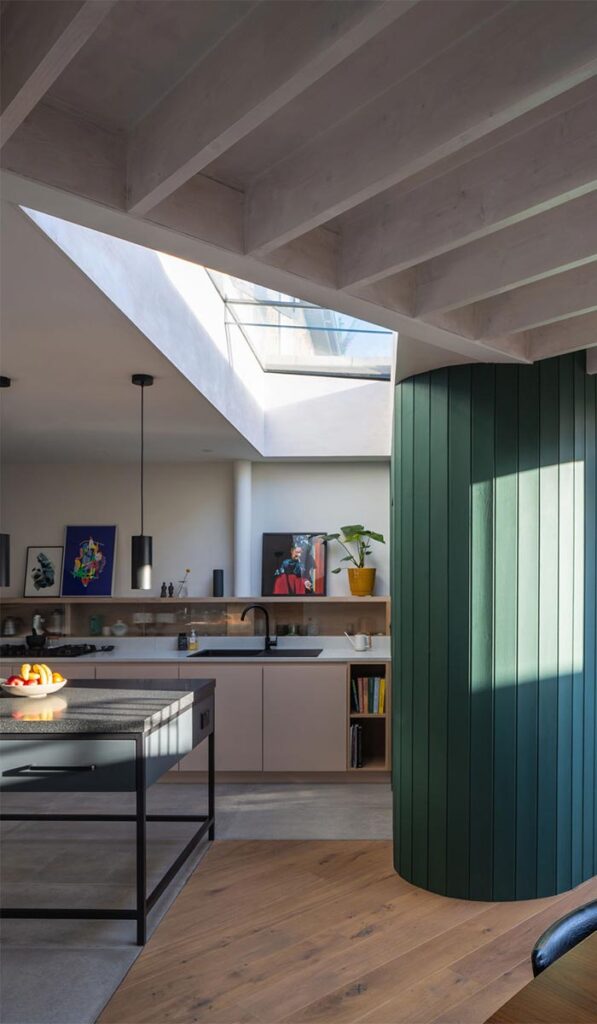
A project we completed in The Tenters area in Dublin 8 was on a very awkward, triangular site.
As part of an extension to the side, we incorporated a utility room/guest WC and bike store to absorb the angles and ‘straighten out’ the main living areas.
4. Consider Sustainable Materials
Given the increasing necessity for high thermal performance and better ventilation, the materials and systems you choose are critical.
Although pricier than plastic-based products, we always recommend using breathable, bio-based insulation materials such as sheep’s wool or wood fibre board for a healthier home and lower environmental impact.
For improved air quality and to avoid mould, consider, at the very least, a simple continuous extract ventilation system.
This is a huge step up from the standard ‘passive vents’, which are solely a hole in the wall. Always seek the advice of your architect on the suitability of the product for the specific purpose.
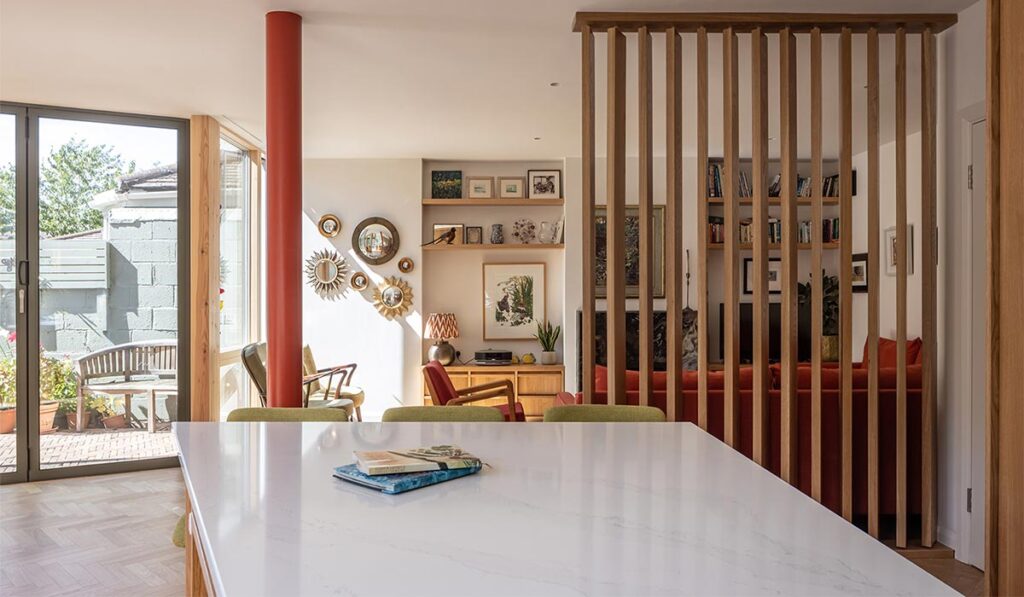
When considering windows, avoid the overuse of glass. In the Irish climate, air conditioning should never be required.
A good design embraces the quality of light over quantity.
5. Seek Balance
For urban dwellers, the need for privacy can often impact the overall design process.
Advanced glazing options, such as frosted or tinted glass, can offer solutions, while strategic landscaping can also be key.
An elegant façade will likely strike a careful balance between the placement of windows, the framing of views from within or the need to create privacy from without.
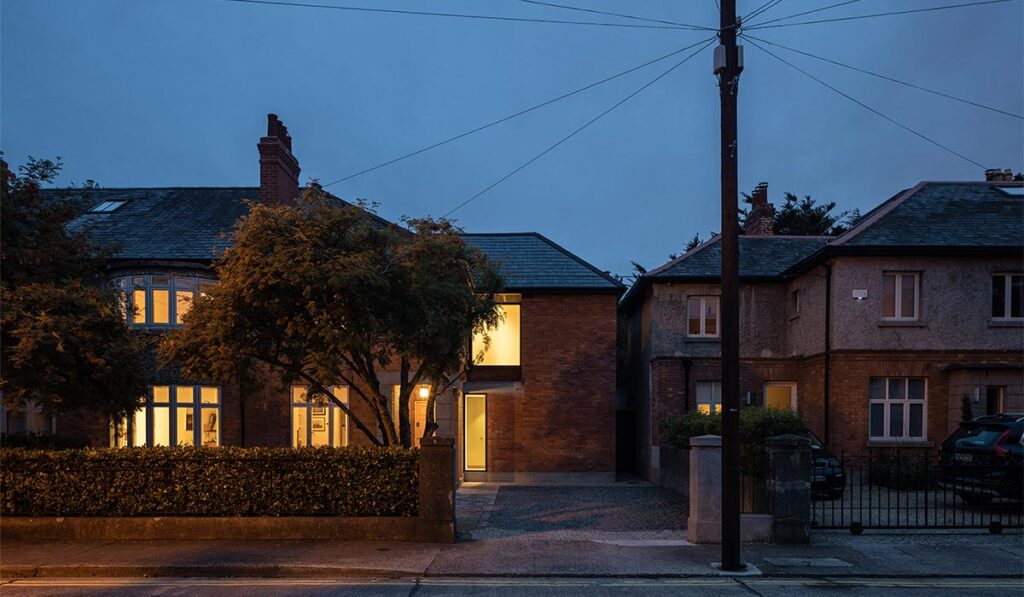
At one of our projects in Dublin 4, built by the iconic G&T Crampton in the 1930s, we designed a side extension to contain a master bedroom and ensuite bathroom.
A street-facing window on the first floor was frosted for privacy, but carefully arranged to balance with the windows of the existing house.