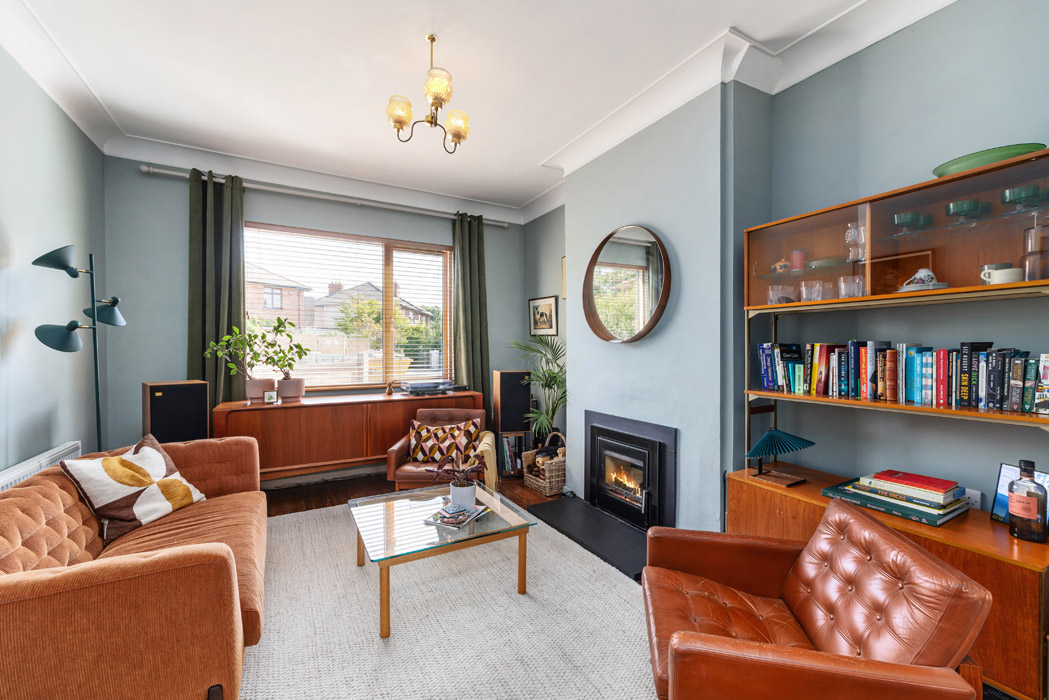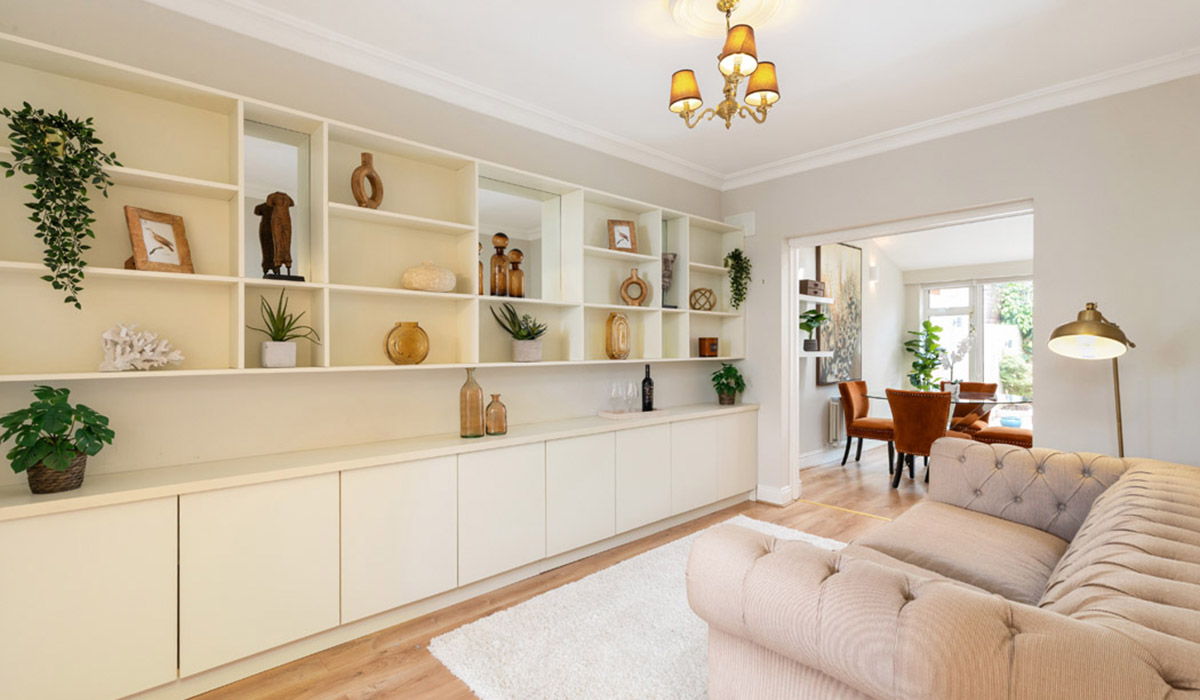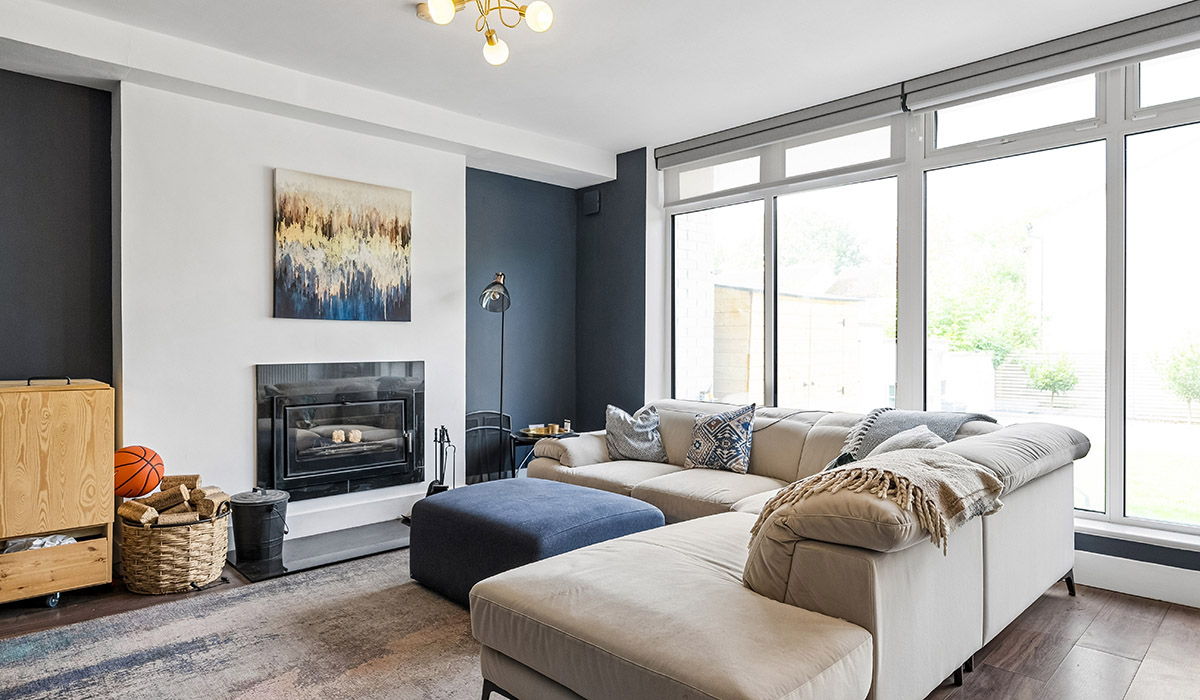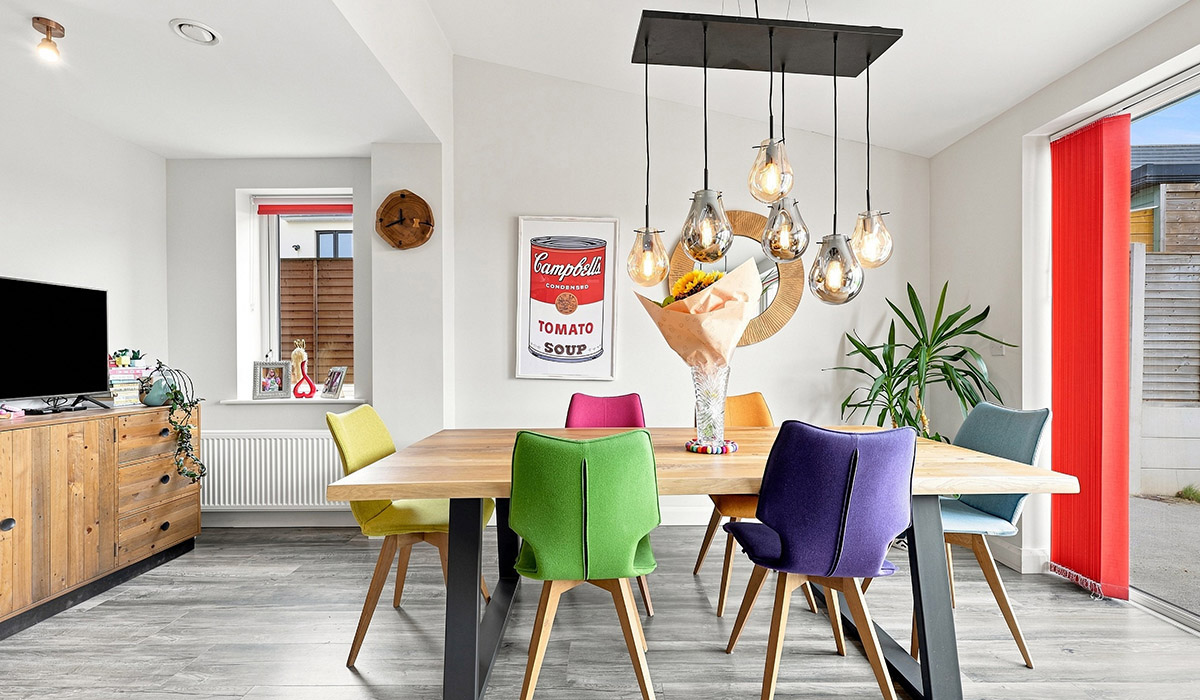

Dundrum Architect Joe Fallon has extensive experience with the key considerations prospective house builders need to consider before buying a site.
Mr Fallon, who recently authored Beyond the Back Garden, a book highlighting a series of stunning back garden extensions he has worked on, spoke to Home&Style.ie about some of the essential dos and don’ts of buying a site.

Local Need: You will need to show the local county council that you have been living locally for about 10 years. They will want to see where you work in the area or where your kids go to school in the area.
It is a fairly strict requirement, so it shouldn't be underestimated.
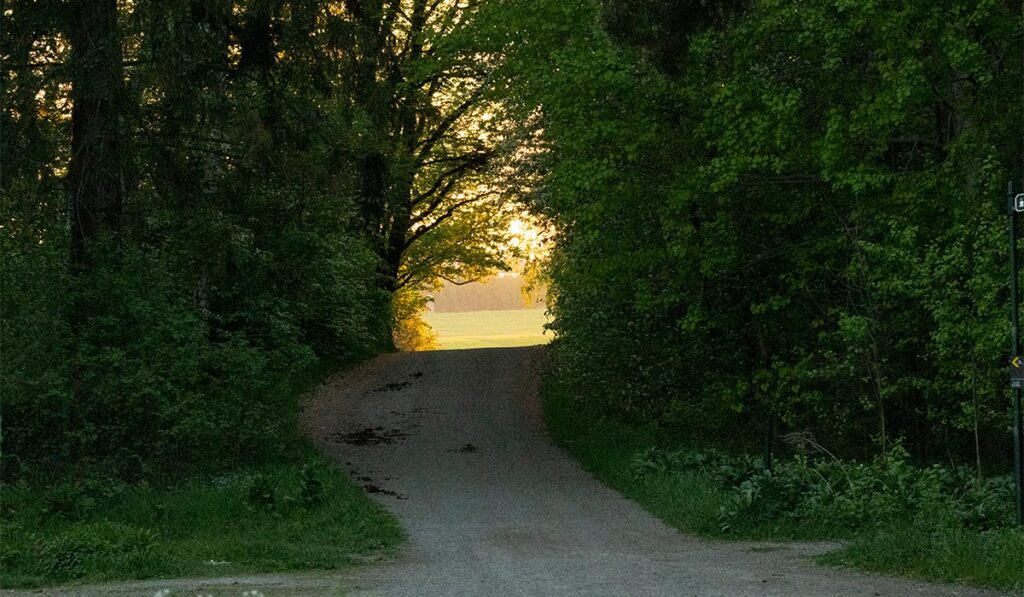
Access to the Site: There is no way you are going to get permission if the entrance to your site comes out onto a national road.
Another factor to consider is whether there is an issue over local right-of-ways because you don’t want the local farmer driving his cattle by your house at 5am.
One thing I would do is if I see locks on the gate of the site, is to speak to the neighbours on both sides to ask if there are any issues over access.
Sometimes the site might be being sold by the bank, so you will need to do your own due diligence.
Size of the site: You will need a good amount of land because you can’t put a 5,000 sq metre house on half an acre - there’s a sliding scale.
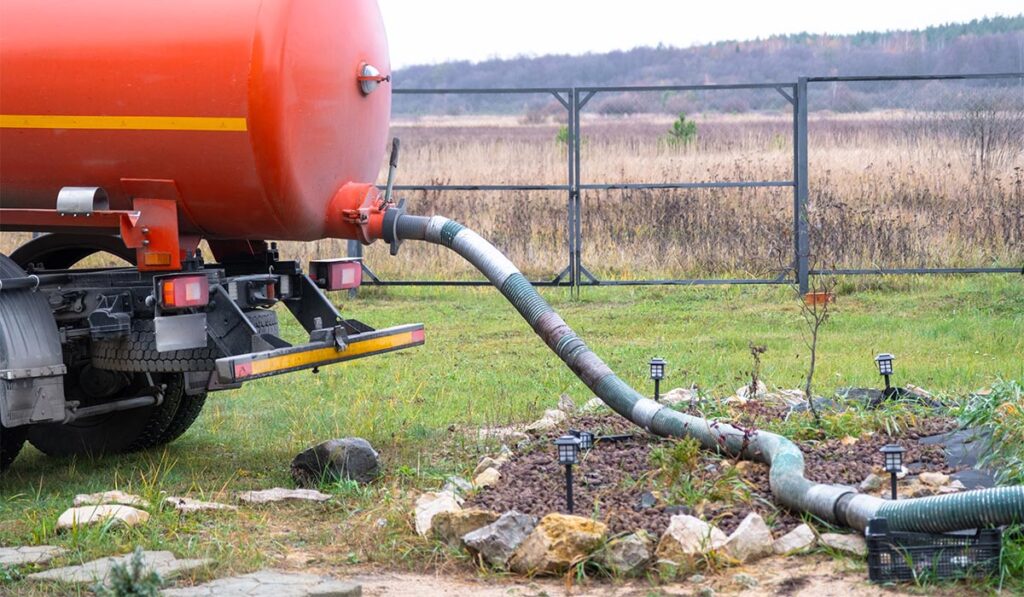
Typically, you will need three-quarters of an acre to an acre for your build, especially if you are installing a septic tank.
One of the key things that has to happen with a septic tank is a percolation test, where you might use a JCB to dig a hole and fill it with water to see how long it takes to dissipate.
If it drains away too slowly it fails, but it also fails if it drains away too quickly. If you spot reeds or rushes growing on the site, you might want to avoid it as there is a good chance it is going to be too boggy.
Services: There are two ways typically sites get their water, either from the mains or from a group water scheme.
(The Group Water Schemes' Programme was introduced in 1962 to provide capital grant aid to rural dwellers for the construction of water distribution systems to pipe water from local water sources such as lakes or boreholes into their homes and farms.
Communities set up voluntary co-operative structures known as Group Water Schemes to privately manage these water distribution systems, with current operating costs being funded through contributions from Group Scheme members and Central Government subsidies.
There are around 370 private group schemes serving over 190,000 people.)
You will also need to check if the site can easily be connected to the mains.
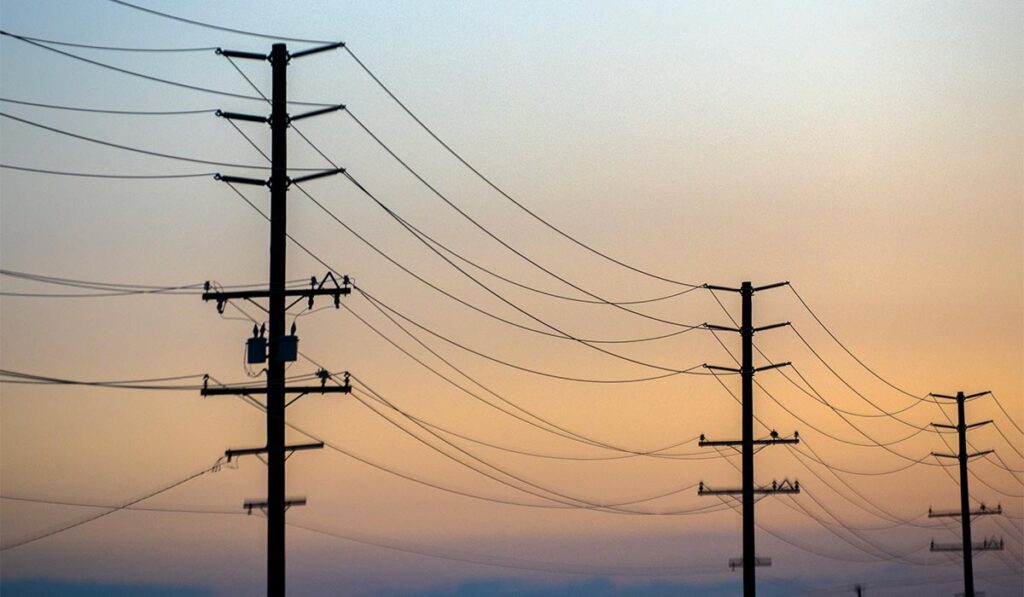
If you are up a mountain in south Kerry you could be charged by the ESB to put poles in to reach the site.

Choosing your architect: The most obvious thing to consider is whether they have experience in the area.
You can work with both an architect or architect technologist who will guide you through the process.
You can take a dip your toe in the water approach by applying for outline planning permission.
You don’t need to own the site to apply for this type of permission. You need to get an Ordnance Survey map, a soil test and put an X on the map.
The advantage of this approach is that it is only likely to cost between €2,000 and €2,500.
However, if you’re feeling more confident, you can go for full planning permission, which will require a full set of drawings.
But the cost of a full planning application can run into the tens of thousands of euro.
Approval is often subject to conditions, which may require you to modify your original proposal before construction can begin.
Full permission typically lasts for five years, meaning the development must be completed within this timeframe.