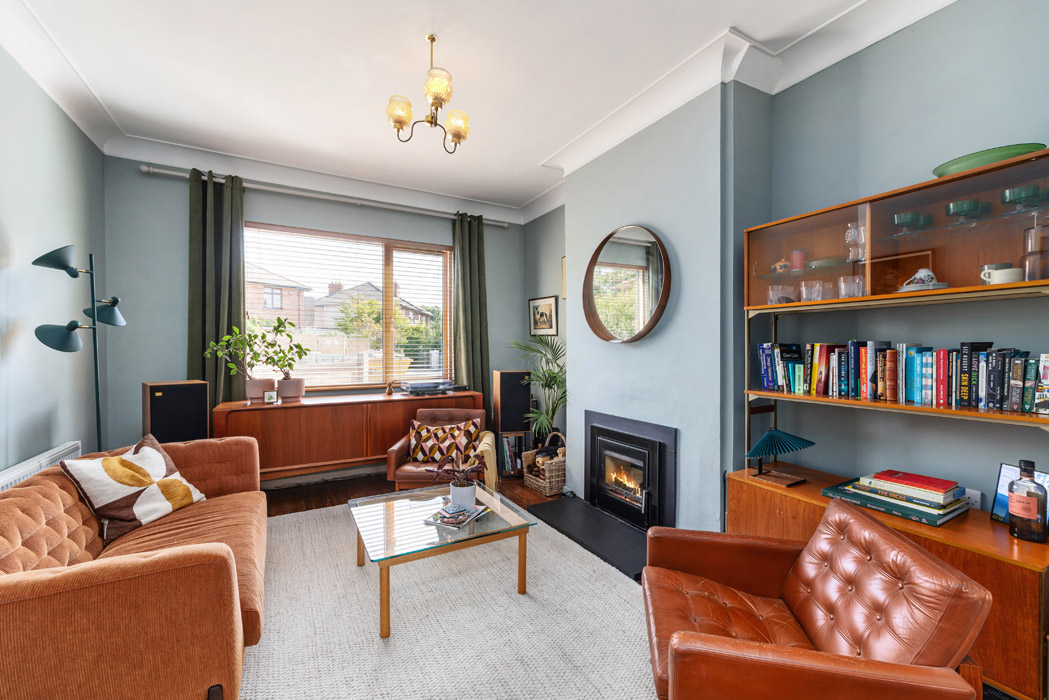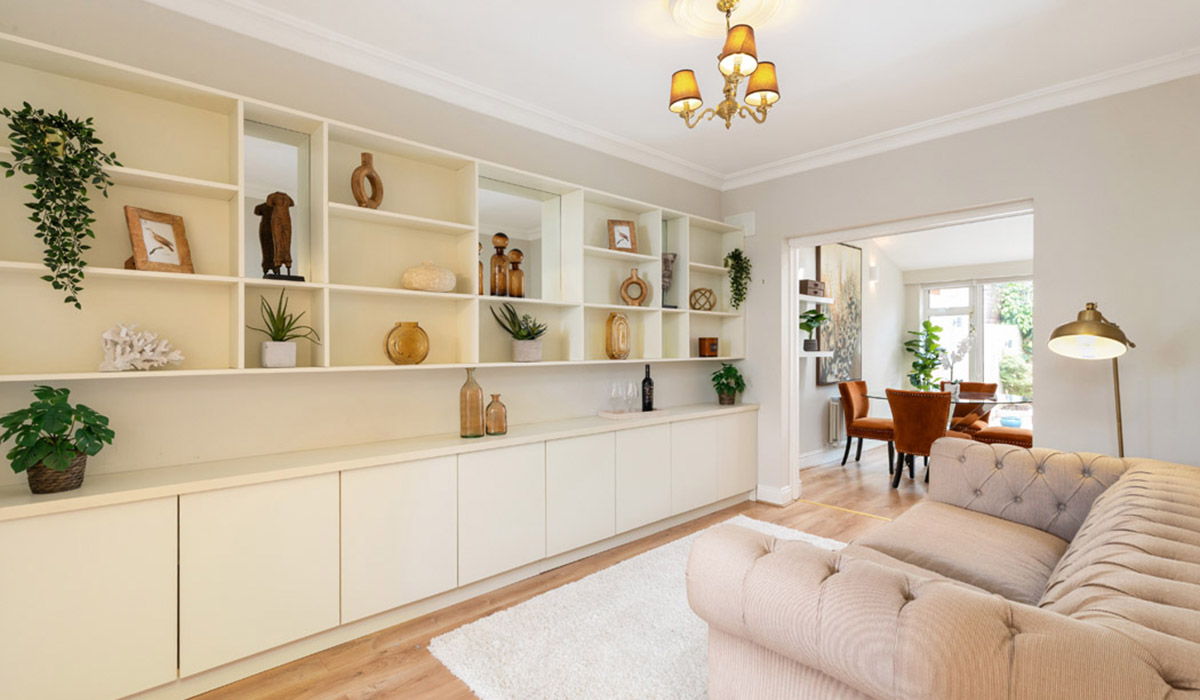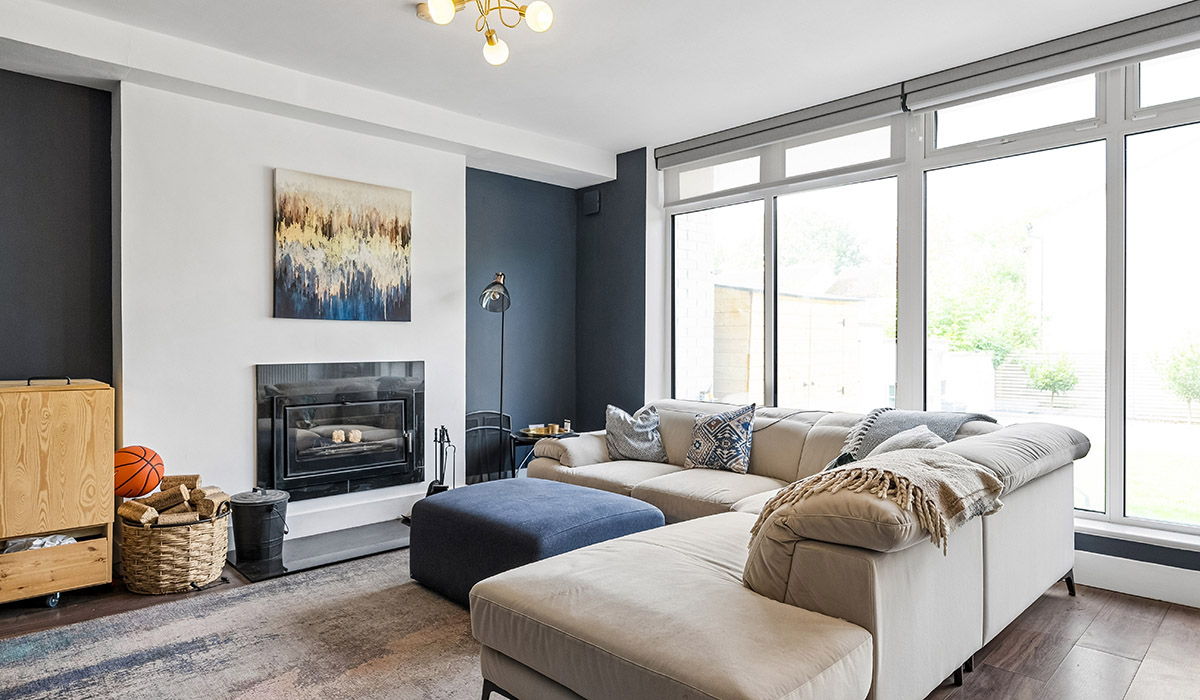
Eye on the prize: By digging down to add a second floor, Rachel Carmody Design has created an award-winning family home from a dilapidated cottage.
Pics: Peter Molloy
We use tech for everything these days, but sometimes you need a good old-fashioned eye for detail to execute and deliver a beautifully designed home.
The property in question was in need of rehabilitation. But it was in a great location.

The derelict, one-bedroom cottage in Portobello is one of Dublin 8’s most desirable neighbourhoods.
When architect Rachel Carmody was brought on board by an Australian Swedish family to turn a one-bedroom derelict cottage there into a three-bedroom family home, she had her work cut out for her.
But seeing potential is part of any successful architect’s toolbox.
And Carmody is a rising star who is making a name for her practice with her creative solutions.
In a previous project, she turned what was a very standard 1970s bungalow in a great location into a sleek pavilion, gently pivoting its aspect, so that it faced towards the River Shannon, which ran alongside the property.
The Dublin 8 abode has been a rewarding endeavour.
The family has a light-filled three-bedroom house in the heart of the action, and Carmody has won this year’s residential architecture prize at the IDI Awards, announced last night.

“The original house was a derelict one-bedroom home,” she told the IDI Awards judging panel.
“The brief asked us to create a three-bedroom family dwelling within the same footprint, and to remain below the existing ridge line.”
To achieve this, they had to dig down to form a new lower level, which allowed her to introduce a first floor without increasing the height.

Light then became the challenge. As a mid-terrace, the house was enclosed on both sides, and with the floor now set over a metre lower, she needed to find a way to bring it in.
Eight rooflights now draw daylight deep into the plan, and every room, except the study, receives natural light.

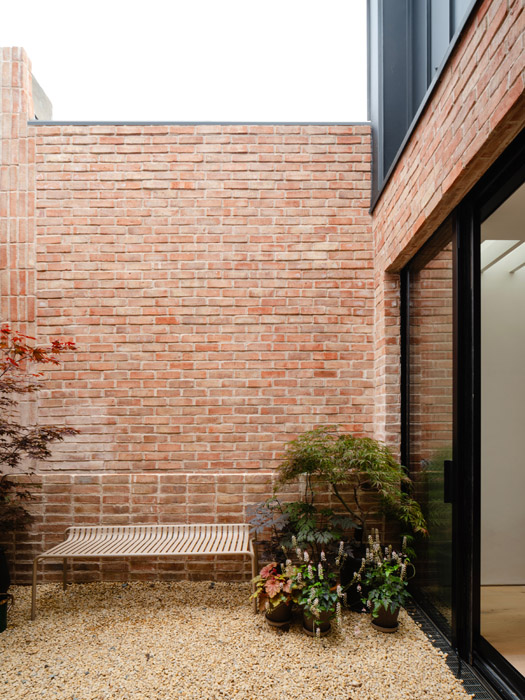
The study, however, opens onto the courtyard through a wide pivoting door, borrowing light and outlook.
Here, the absence of daylight is embraced, creating a calm, timber-clad retreat.
The Portobello property was a modest one-bedroom single-storey house when purchased in 2022. It had one sash window to the front.
While it is still relatively compact at 110 sqm, it is now laid out over ten distinct rooms and spaces and feels bright and more generous than its footprint suggests.
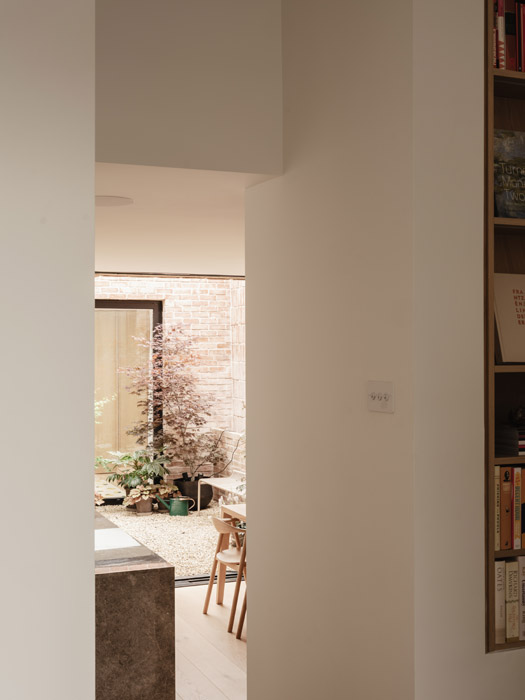
There are several reasons for this. From the front sash window, there’s a clear line of sight through to the back gate and laneway to the rear of the house.
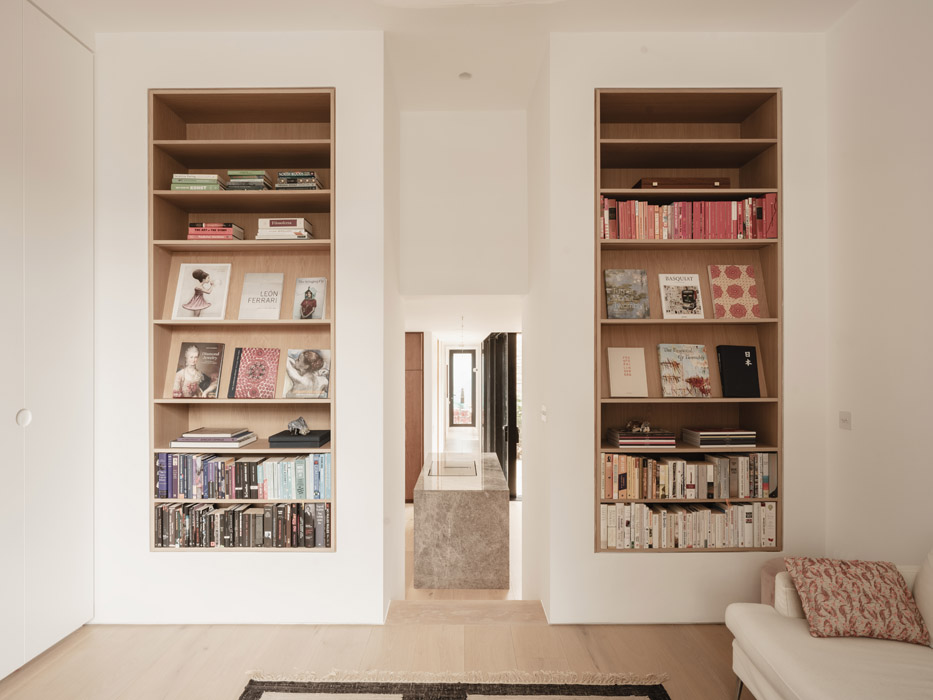
Material choices were deliberately restrained using texture to create variation, from the brick bonds in the courtyard to the fluted bathroom tiles and timber in solid, fluted, and slatted forms.
These shifts are subtle yet enrich the atmosphere.

In the kitchen, Tundra Grey marble countertops and Scandinavian-inspired paint tones enhance light.
Eoin Bracken of Dermot Bracken Bespoke Luxury Joinery in Co. Offaly made the kitchen.
Its countertops are clutter-free thanks to their housing within units that double as a tea station and a bar, when the mood hits.
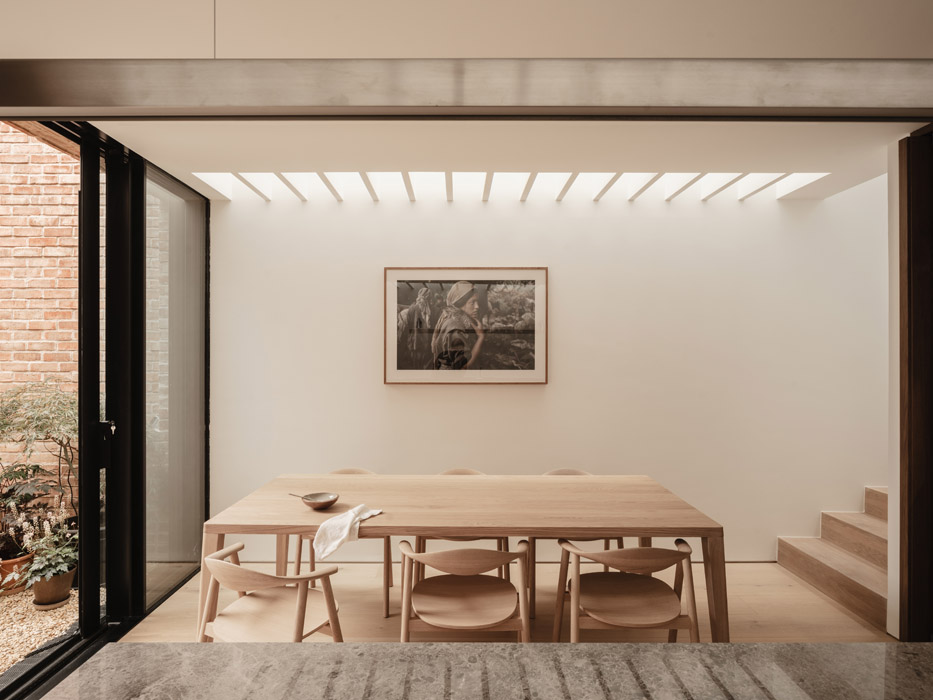
Clad in tundra grey marble, the kitchen island anchors the space.
There are no stools surrounding it. Instead, when they sit down to eat, they dine around a Nolia table, brought from Sweden.
Over it is one of the eight rooflights that bathe the area in diffuse light. There’s another over the stairs.
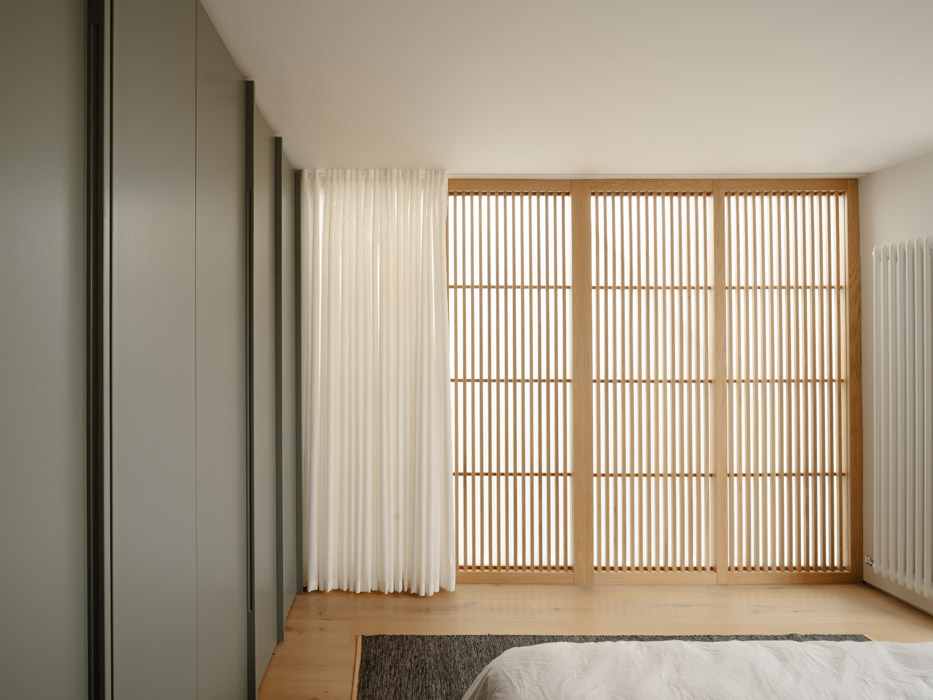
In the principal bedroom, the bespoke wardrobes are painted in Farrow & Ball’s Pigeon, and there is natural limestone in the wet room ensuite.

The high-end finish throughout was executed by Ger Griffin on Griffen Construction Services. Her colleague Kate Browne project-managed the job.
"It was very much a team effort.
"The clients were exceptional, too. They care so much about design. We were lucky to get to collaborate with them," she says.
“When designed with care, Greenville Terrace shows that compact, central homes can support family life,” she says.
“While private outdoor space is limited, the house is embedded in the city’s fabric, with immediate access to parks, playgrounds, and cultural amenities—transforming the city itself into an extended garden.”
How does she feel about the win?
“I cannot believe it. I was up late last night with my six-month-old son, Kane and asked Chat GPT who was the least likely to win the award, and it said me.”
Rachel Carmody Design has won the residential architecture prize at the 2025 IDI Awards.