
Heads up, Dublin homebuyers. Gastro gentrification is how you spot an area on the up. It means house prices are about to go from medium-rare to well done. Here are the most piquant signs of an area’s simmering social capital.
Cockapoos and labradoodles; high-end baby buggies; construction hoardings outside what would once have been described as modest dwellings; trendy brunch spots; ashtanga studios and cargo bikes – overcooked tropes beloved of social commentators declaiming gentrification in action.
A subtler tell might be what a neighbourhood is eating. When hipster food brands start turning up in the local café or convenience shop, it is often a sign that house prices are going from medium rare to well done.
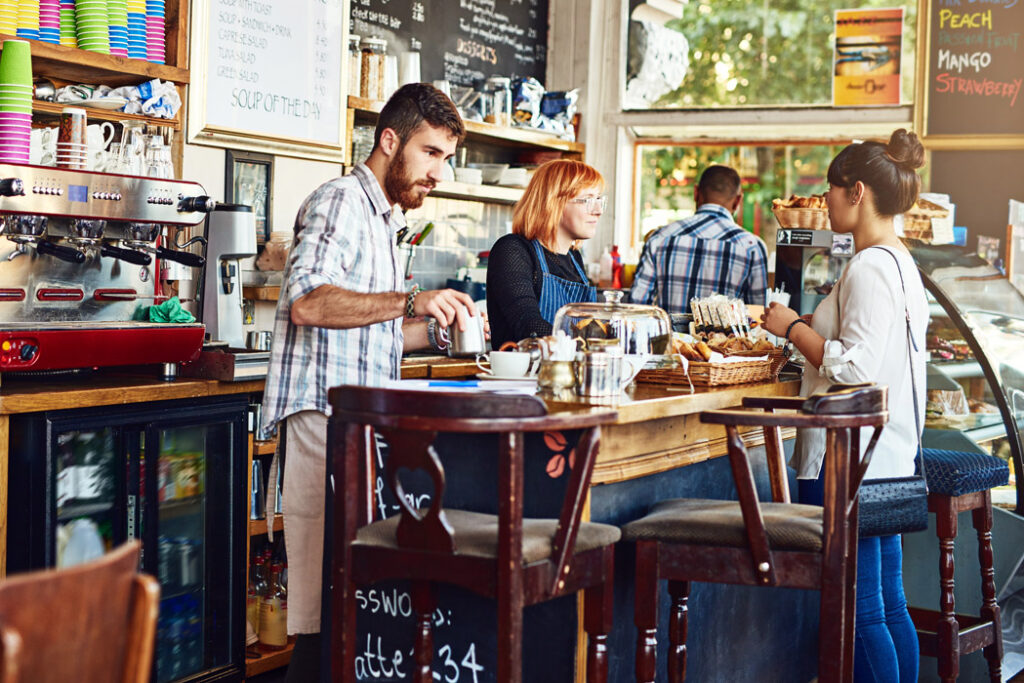
There is a serious side to this. In 2018, the American sociologist Joshua Sbicca described food gentrification as ‘the shift of a neighbourhood’s food landscape toward upscale tastes, raising living costs and displacing long-term, lower-income residents’.
Food writer and author Ali Dunworth, however, sees the jar on a different shelf.
“Buying local products is fighting against gentrification in a way,” she says.
“If you buy cheap, mass-produced, imported food, it’s not doing any good for your local economy. But if you can trace it back to something made down the road in Dublin, you’re putting money straight back in. You’re keeping people living in Dublin and keeping people in jobs.”

Nor does she accept that these products are overpriced; she says: “People don’t mind spending four euro on a can of Monster. I know the people who make these jars of relish and pickle you can get for less than the price of a pint, and you know where that money is going.
"You’re doing a bit of good as well as having something delicious.”
What irks her is a markup without provenance: “something you can buy in Lidl, Aldi or Tesco with a huge markup on it. But if you pick up the label and it says made down the road, it’s helping your locality.”
So, what are these brands? Here is a guide to the most piquant signs of an area’s simmering social capital, jar by hand-filled jar.
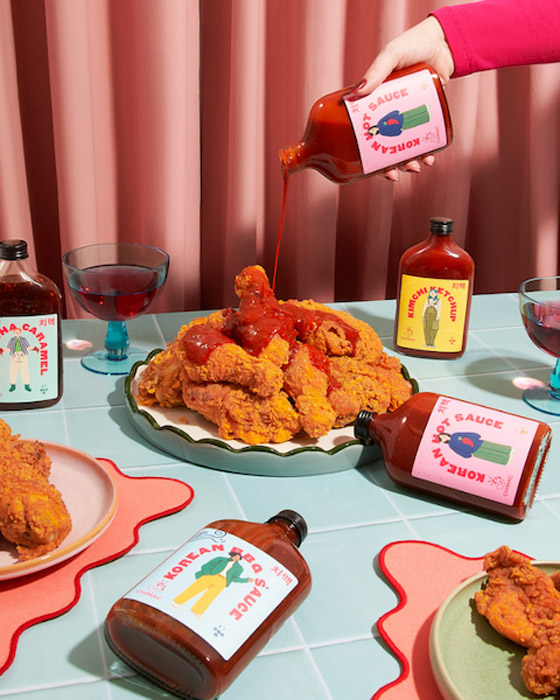
Chimac Sauces
Chimac is Korean shorthand for fried chicken and beer, and Garret Fitzgerald and Sofie Rooney’s Dublin chicken joint has spawned a range of sauces made in the city.
The Korean Hot Sauce is built on gochujang, and the Sriracha Caramel is every bit as dangerous as it sounds. There’s even a Kimchi Ketchup.
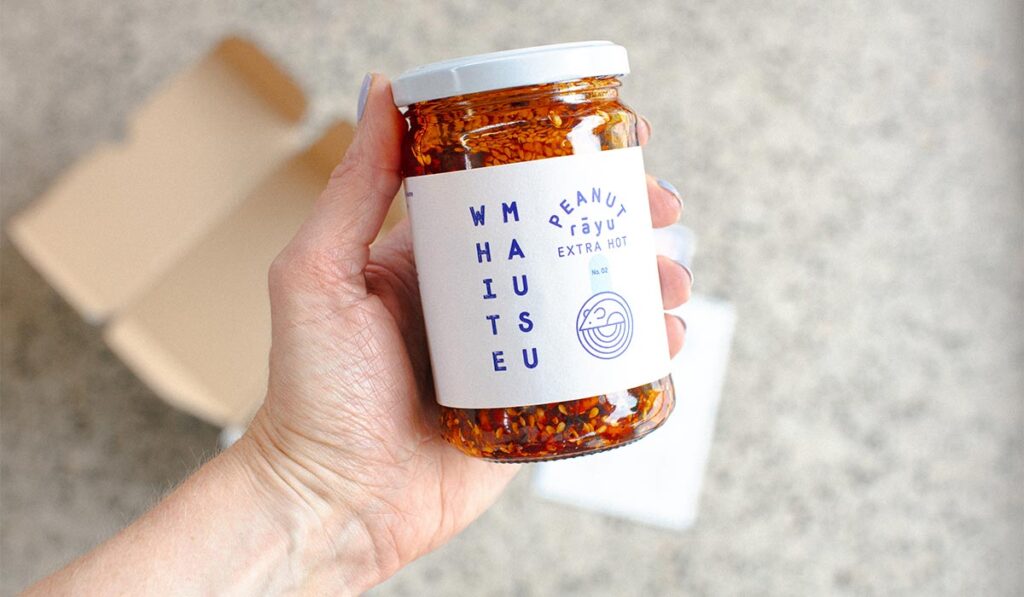
White Mausu Relish
When this award-winning rayu appears on the shelf, it probably means you won’t get a gaff for peanuts anymore.
Chef Katie Sanderson’s peanut-based relish is a tongue-torching, addictive Irish success story, now stocked in Selfridges in the UK. Dollop it on boiled rice for an easy snack or even spread it on toast.
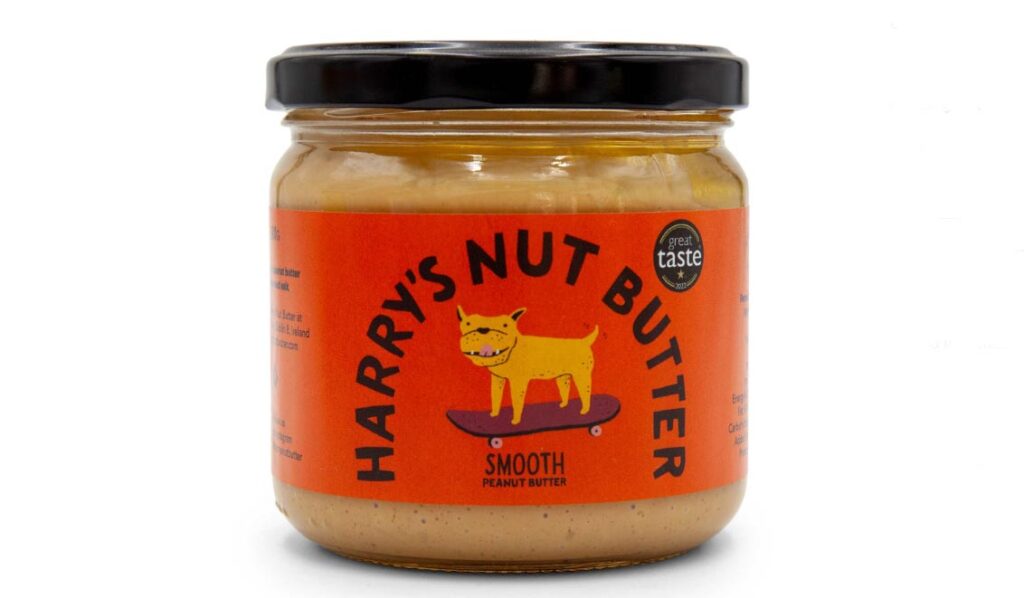
Harry’s Nut Butter
Fifteen years ago, you’d have been hard-pressed to get a decent coffee in North Strand, Dublin 3.
Now you can get a jar of Harry’s in its cafés. Born as the house spread at the Fumbally Café in Dublin 8, it’s peanut butter plus: slightly sweet, kind of salty, a little spicy.
The hazelnut and cacao version is for those who like their chocolate spread with notions.
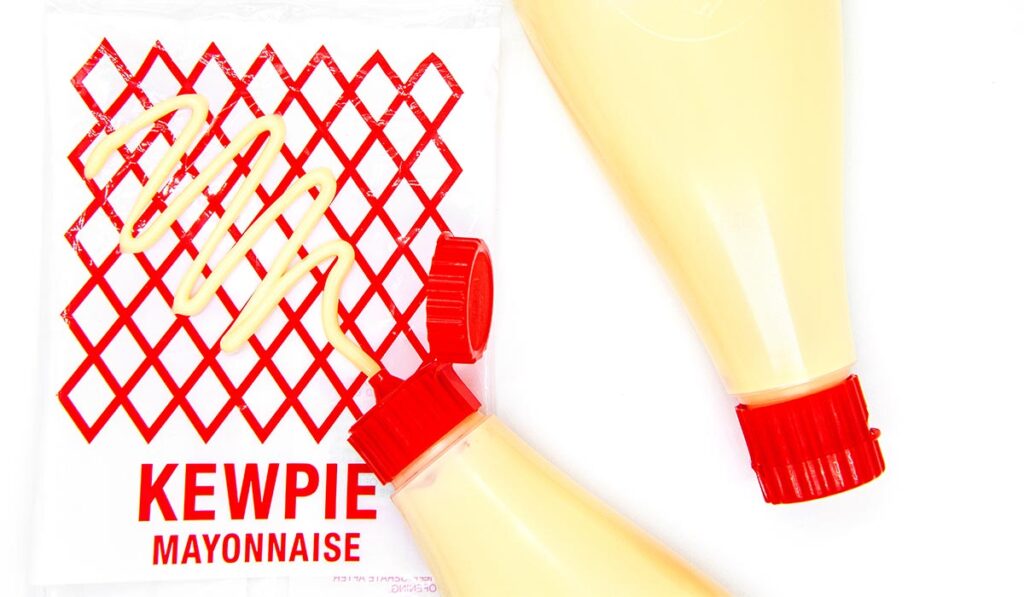
Kewpie Mayonnaise
The impossibly trendy Japanese mayo, in the squeezy bottle with the baby on the label, often sells for way more than it should.
Spot it in your local convenience shop and your neighbourhood’s getting notions. Truth be told, it’s not unlike the Chef salad cream of your youth.
condiments
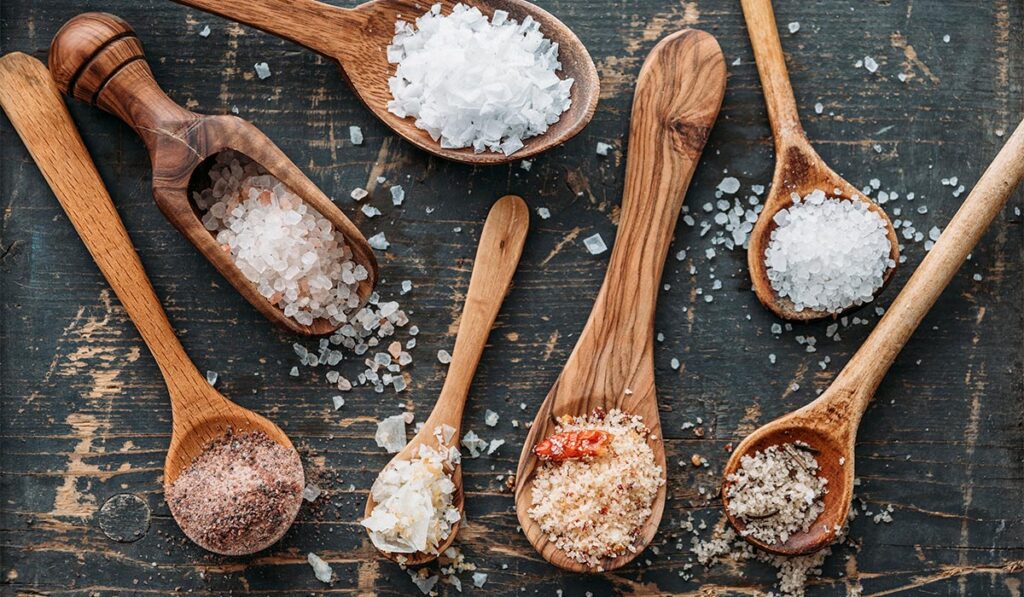
Sea Salt
As the salt of the earth lose their grip on former working-class neighbourhoods, the artisan sea salt crowd moves in.
Seasoned foodies will let nothing else near their dry-aged ribeyes. Only Achill Island, Maldon or West of Dingle will do.
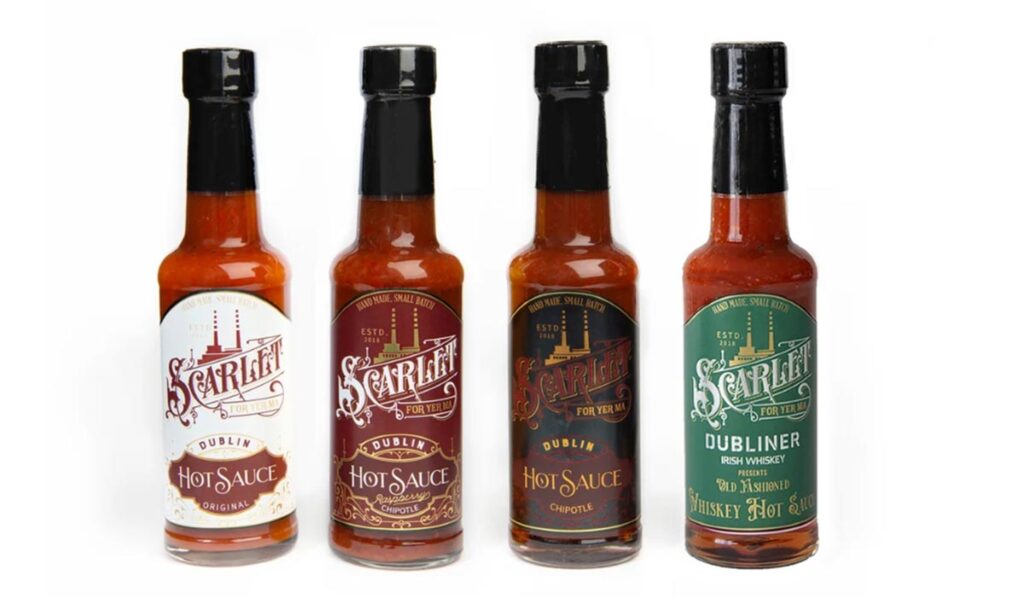
Scarlet for Yer Ma
Launched in Dublin in 2018, with a name only a Dub could have dreamed up, this is hot sauce for people who like their eggs with a bit of attitude – the performative yup-bro of piquant sauces.
Spot a bottle beside the till, and your neighbourhood is heating up nicely. It’s well tasty… bro.
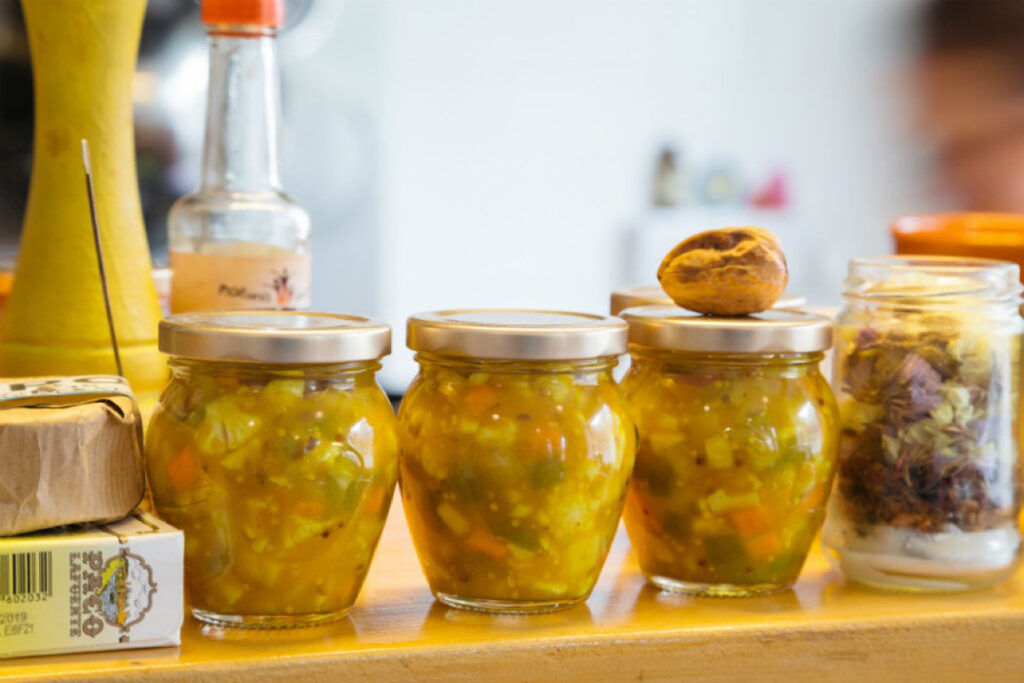
Assassination Custard Piccalilli
Gwen McGrath’s cult pickles, made for the tiny but world-famous restaurant she runs with her husband Ken Doherty, are as rare as hen’s teeth – though you might find them at Hen’s Teeth in the Tenters.
If your local shop stocks them, your neighbours are more up to date than a 262 electric Range Rover.
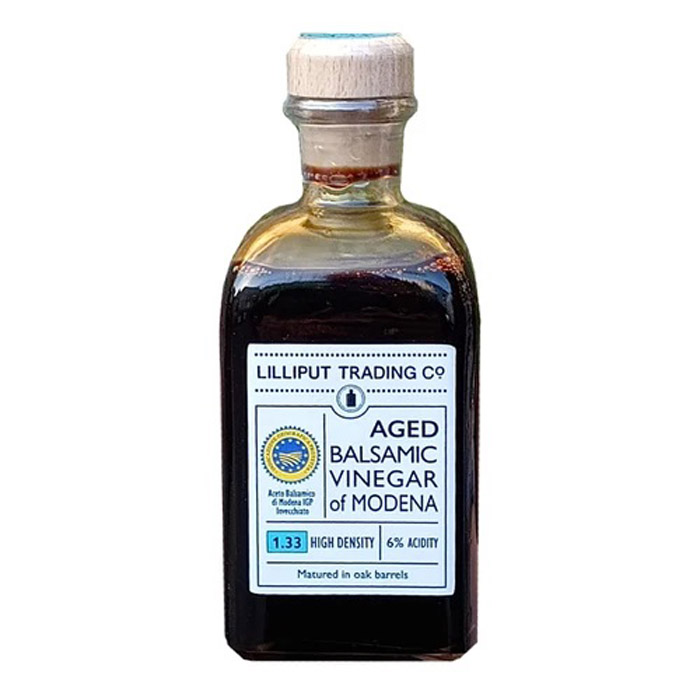
Lilliput Balsamic Vinegar
In an ideal world, this would be piped into every kitchen. The aged balsamic of Modena comes from Lilliput, the artisan grocer that has fed Stoneybatter’s better-heeled residents since 2007, so its arrival on your shelves means the D7 effect is spreading.
Drizzle it over Parmesan or a ripe tomato. Some of us would put it on cornflakes.
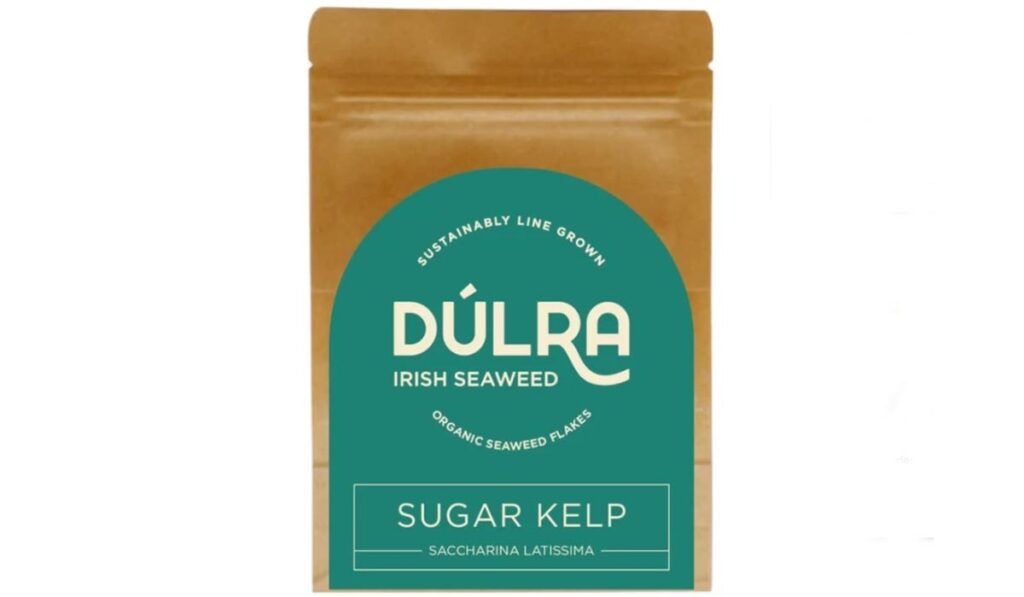
Dúlra Sugar Kelp
Seaweed was once something you stepped around on Dollymount Strand.
Now it’s a pantry staple. Grown by the Irwin family in Blacksod Bay, Co Mayo, sugar kelp is the gateway seaweed: crumble it over salads and eggs or use it in place of salt. Seaweed next to the Tayto? The umami bunch has arrived.
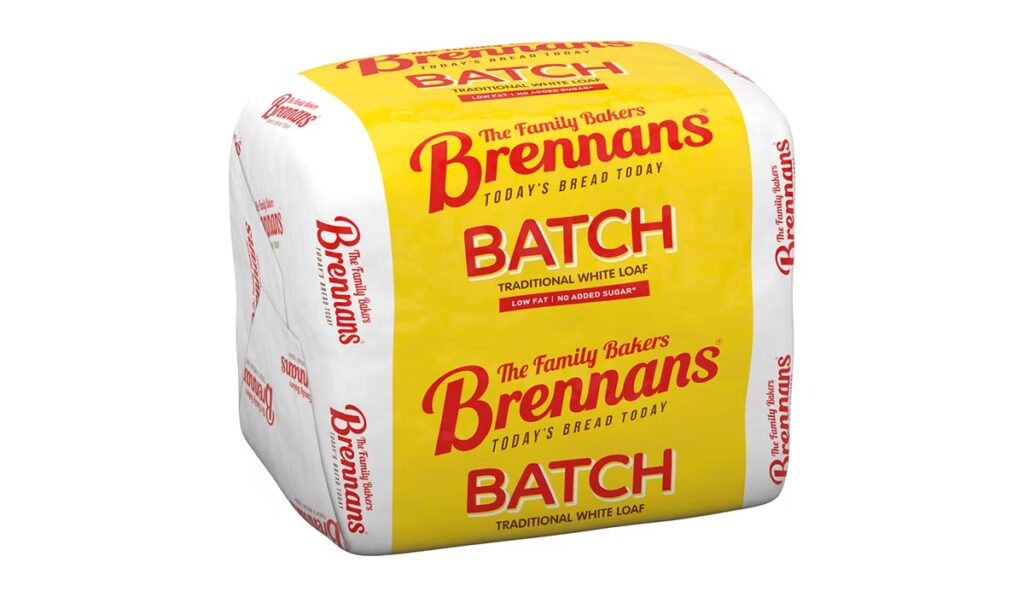
Brennans Sliced Batch Loaf
No, seriously. The surest sign gentrification is complete is when the circle closes.
When the Brennans batch, staple of a million school lunchboxes, turns up in your local fine-food shop, it’s no longer just bread. It’s nostalgia, and nostalgia sells.
Toast it, butter it thickly,y and top it with White Mausu. There goes the neighbourhood in a single slice.