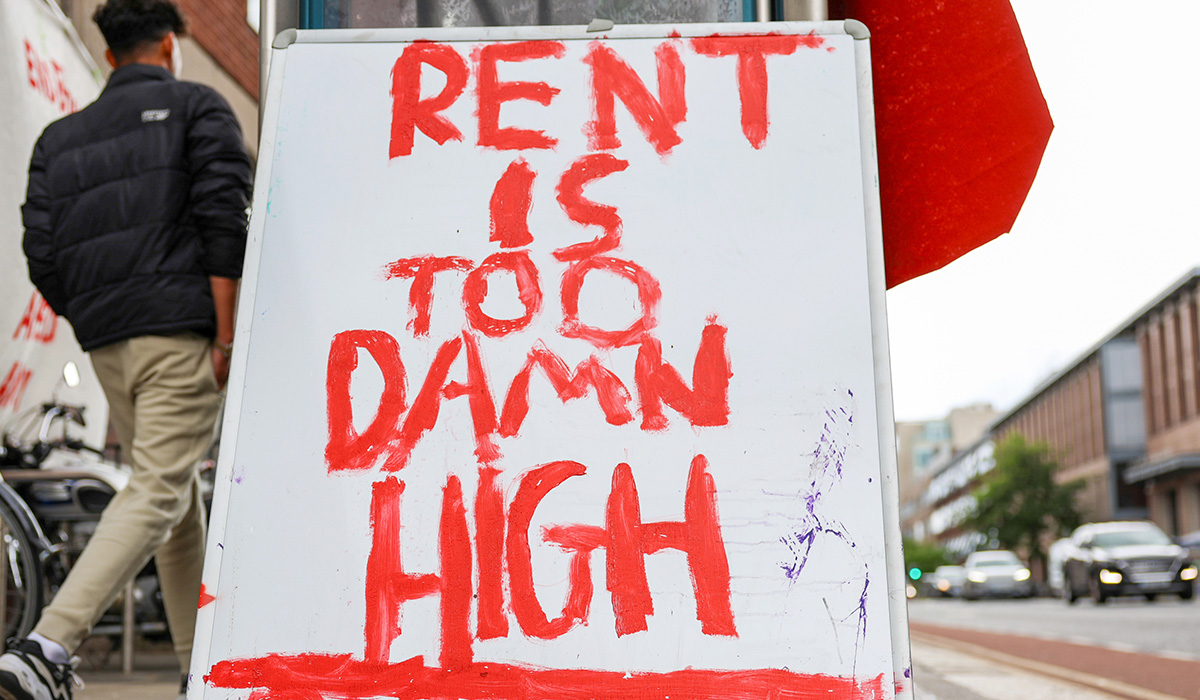
Renting in Ireland needs to be addressed. People still don’t understand just how bleak it can feel to be in your mid-20s with little sign of improvement on the horizon.
As a 24-year-old from Dublin who is actively apartment hunting in and around the city, I am currently seeing and experiencing many of the common issues firsthand.
It is a demoralising process, with high prices and low availability of stock.
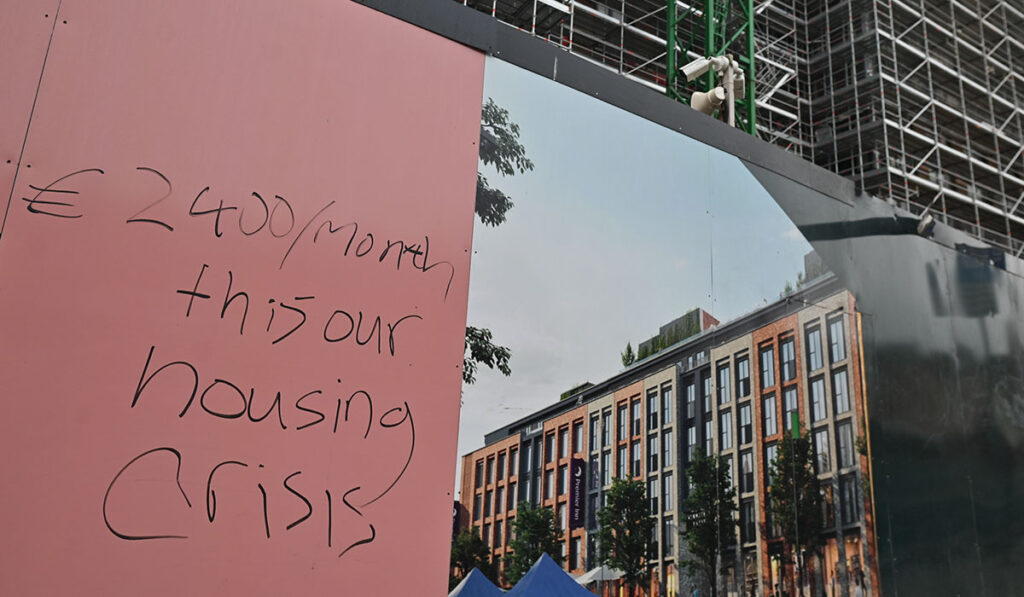
Daft.ie’s latest rental report notes that the average monthly rent for a two-bedroom apartment in Dublin reached €2,551 in the second quarter of 2026, leaving market rents 25 per cent above their pre-Covid level and 63 per cent above their Celtic Tiger peak.
According to a 2025 CSO report, the average 24 to 25-year-old in Ireland has a take-home income of around €2,232 per month. This reflects my own situation. It means that I must fork out 57 per cent of my net income each month to let a place.
This figure does not include bills, which on average are another €270 monthly. Four weekly grocery shops also cost me around €250 in total. This means that after paying for the bare essentials, I am left with around €436 – or 19 per cent of my take-home income.
So, going to see Oasis next summer would virtually wipe out a whole monthly payslip.
It’s the same with the Fontaines DC nights in Slane: the price of the tickets, getting out there, and food and drink on the day would basically leave me with a monthly income of around €230.
If I were born 20 years earlier, CSO data suggests that my monthly take-home income would be roughly the same, but I’d likely be paying around €575 a month on rent, €80 on bills, and €200 on groceries – leaving me with around €1,145, or 57 per cent, of disposable income rather than €436.
I can’t even dwell on the rising costs too long, as one of the more immediate concerns is the fact that I have to vacate my home come October.
Daft reported that on August 1st, just 1,123 homes were actively available to rent in Dublin, 18 per cent fewer than on the same date a year earlier and the lowest August total since 2022.
Availability is down 30 per cent from its pre-pandemic level. This has been made abundantly clear to me while trying to find a two-bedroom apartment to rent in Dublin city.
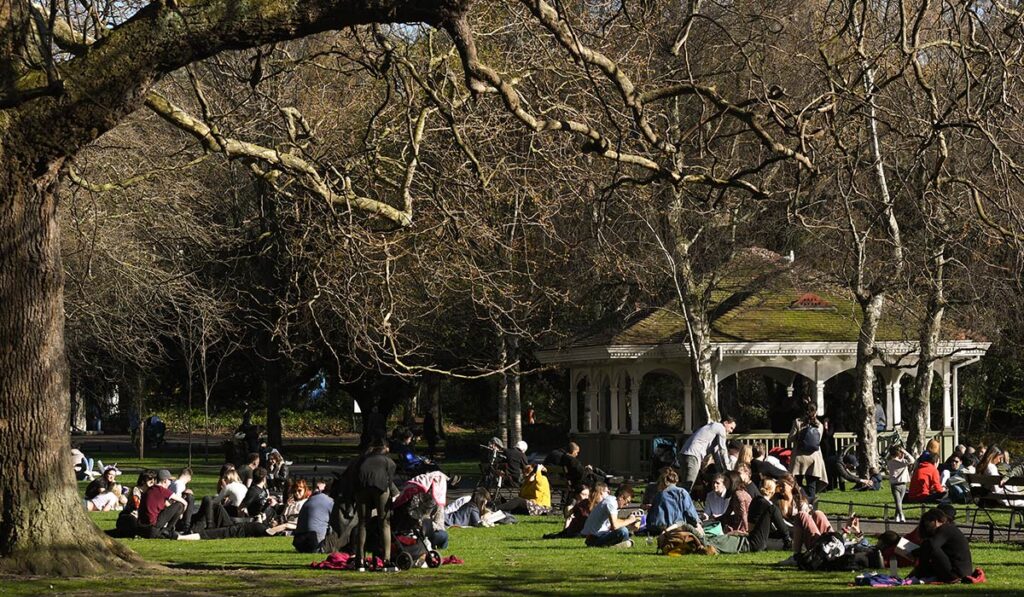
I am in the minority of my peers. The CSO's Growing Up in Ireland (GUI) survey stated that 69.9 per cent of 25-year-olds were still living with parents.
While briefly moving back home is an option, I am one of four adult siblings, and the space is not designed for us to still be there.
I estimate I spend an hour a day on the portals, refreshing the search parameters to see the newest listings on the market.
Even when I extend the price range to go above half my take-home income, there is a shockingly low number of available apartments in the city, within a reasonable public transport commute - that is, less than an hour each way.
Every listing that fits the bill appears to have been viewed by thousands of other people who all have the same problem, making it feel like a lottery to land a unit. This is reflected in how few responses I get to the many enquiries I have sent out.
"CSO data suggests that my monthly take-home income would be roughly the same, but I’d likely be paying around €575 a month on rent, €80 on bills, and €200 on groceries"
Over the past month, I have sent out about 60 enquiries for two-bed flats and received two responses inviting me to a viewing. This suggests I can view just 3 per cent of the apartments I enquire about.
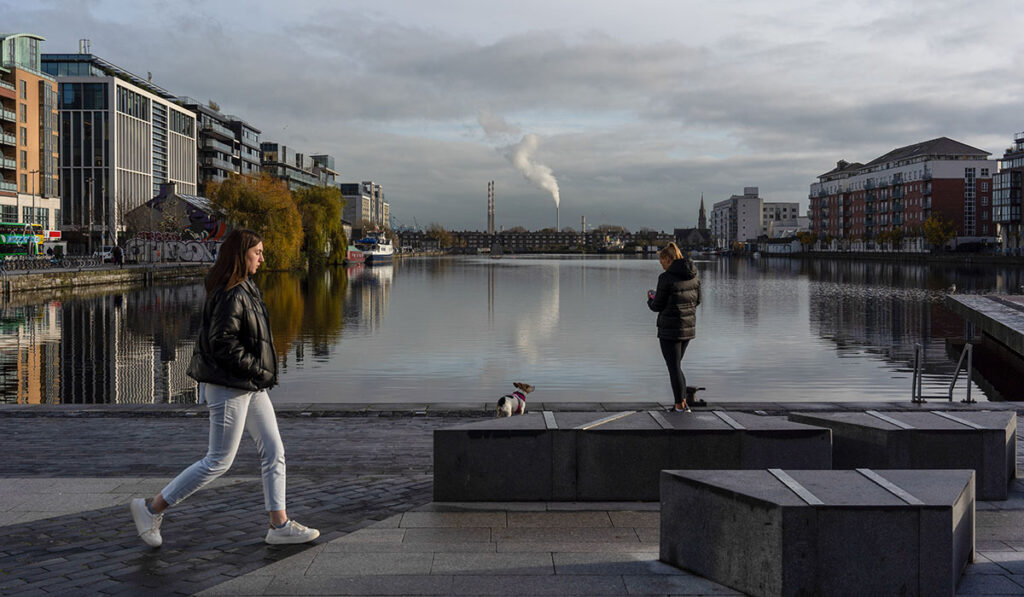
I have heard many similar stories, with those moving to the capital from outside Dublin suffering the worst.
Take Kate Stafford, a 24-year-old who recently moved up from Wexford. It took months of searching to find a very small one-bed that she shares with her partner.
“We were looking for a flat in Dublin city centre for about four months. In that time, we only managed to get two viewings,” she explains.
“We were on Daft, all those kinds of places, every single day, putting in our details for any flats that we could find, and some of these flats were like studios where the bed was literally beside the oven and the sink. It was disgraceful.
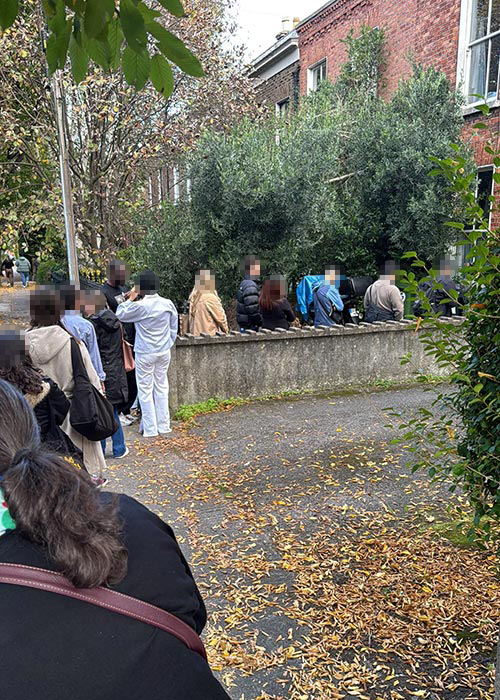
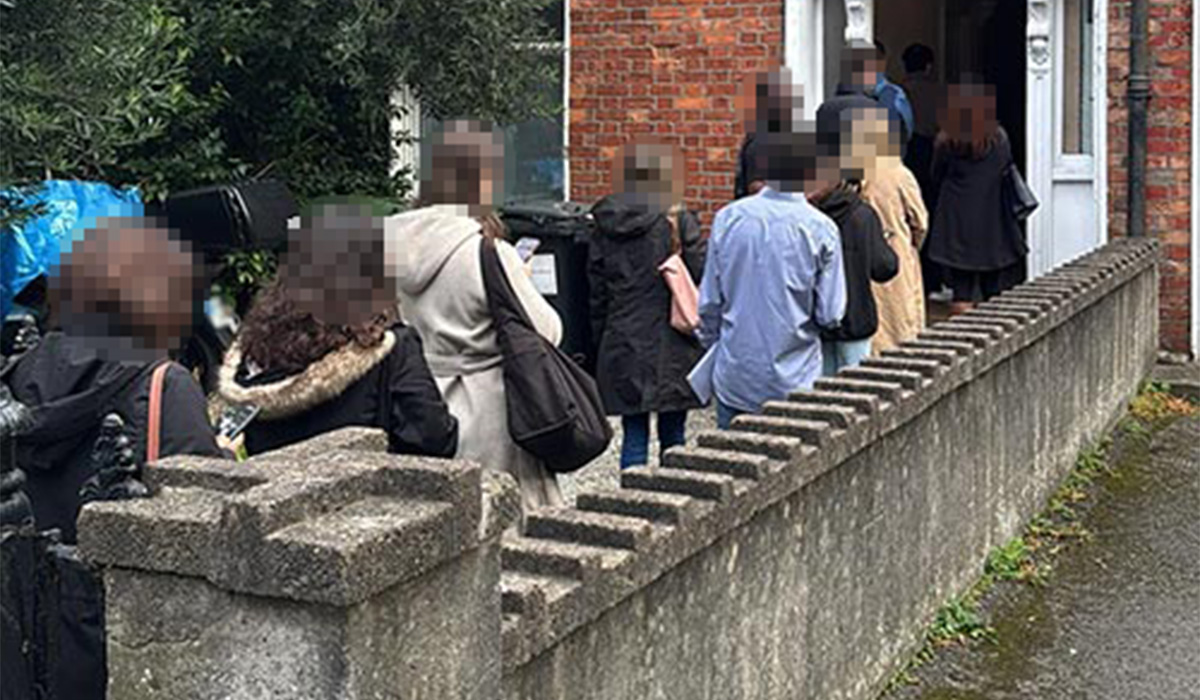
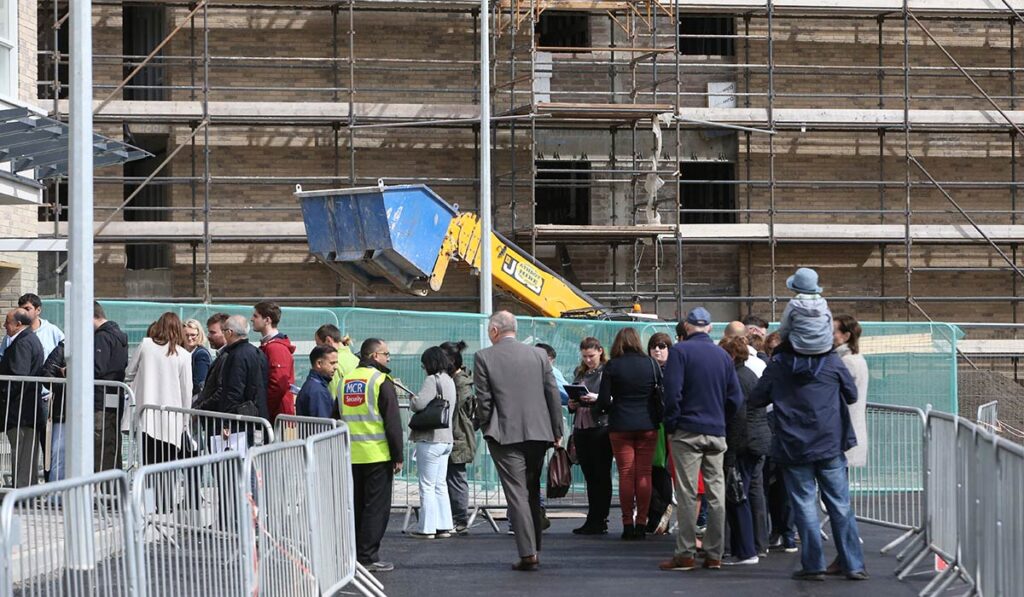
“In those two viewings there were literally queues outside the door, queues of people down the street. There were some people there with their kids, like small children in prams, to view a one-bedroom studio essentially. It was horrendous.”
While Kate and her partner feel lucky to have found a place, they had to settle.
“In the end, we got picked for a flat in the Phibsborough area, which was ideal, but the rent was nearly two grand per month, so we are living off nothing at the minute, just to be able to get by to pay our rent.
"We just have a one-bed, really small kitchen and a tiny bathroom. So yeah, the living situation is not great, but we’re lucky to have anywhere at all.”
Meanwhile, the market for rooms in a shared house is also under pressure, with rates increasing by 1.4 per cent in Dublin between March and June.
Daft stated that average monthly rent for a double room in a house was €922 in the second quarter of 2026.
Room rents are now 32 per cent above their pre-pandemic level and 72 per cent above their Celtic Tiger peak.
Supply has also deteriorated sharply, with only 933 rooms actively available to rent in Dublin on August 1st, according to Daft.
This was down 26 per cent from a year earlier and the lowest August total since 2022.
Unsurprisingly, this has pushed many younger people away from the city centre and into longer commute times.
Grace Harte, a 26-year-old from Leitrim, currently lives in a house share in Rathfarnham and has been battling the Dublin rental market since moving up as a student five years ago.
Grace explains that as a student, she paid €5,000 for approximately six months’ rent. This increased to €8,000 the following year.
“Since moving out of student accommodation, she's one of the lucky ones to find a room at what is now considered a reasonable price.
"Living in South Dublin within walking distance to the Luas Green Line, I expected my rent to be at least €800, but I managed to find a place for less than that, simply through knowing people," she explains.
“It is also the first place I have rented that is actually warm throughout the year and not infested with mould.
“It has become the norm, almost, for people to accept a place that is damp and cold for the sake of having a roof over their heads; I can speak from experience,” she continues.
“The desperation that comes with finding somewhere to live – not only in Dublin, but all over the country – has become part of the process.
She knows of friends who have shown up to view a shoebox apartment at 7 am on a Saturday morning to be met by another 50 or 60 people who are there for the same reason, to see a space that "you couldn’t swing a cat in it,” as she puts it.
As for me, the hunt for a place to rent goes on. It's starting to feel more and more hopeless. Countless people are suffering from similar and worse problems.
The Irish government needs to factor renters into the upcoming Budget because if things don’t change soon, I might join the one-in-eight Irish 25-year-olds the CSO reported to have emigrated in its GUI survey.