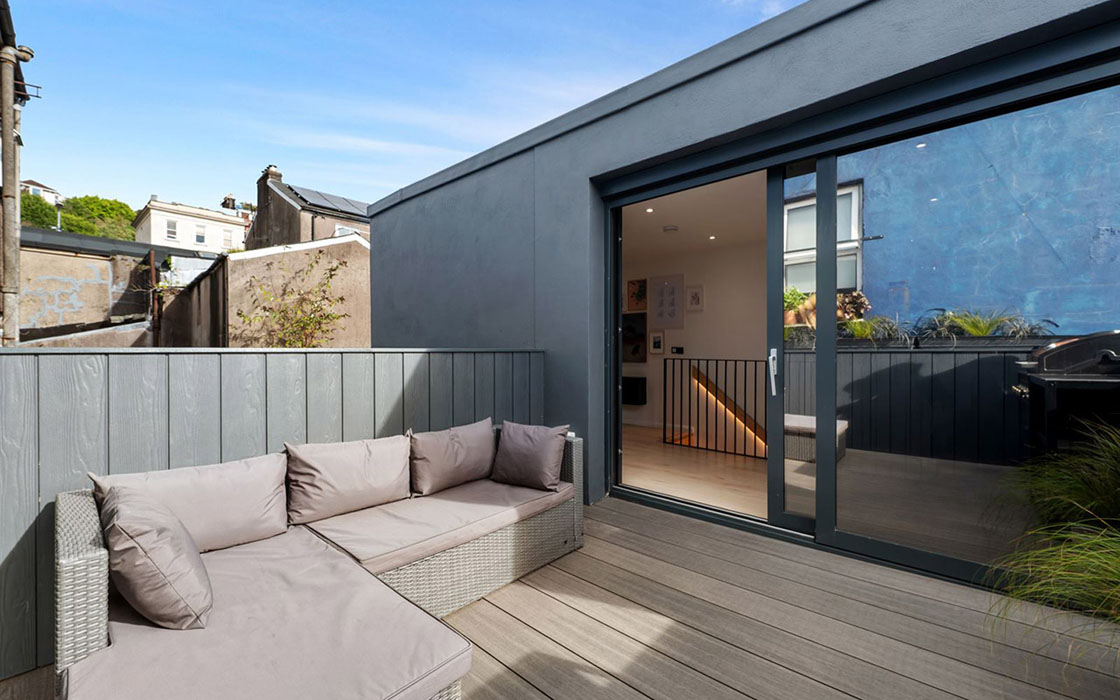
With a backstory that includes an art heist by The General and a mural by a relative of a Renaissance painter, this turn-key Georgian townhouse was renovated with family life and entertainment in mind.
If the walls of number 26 Fitzwilliam Street Upper could talk, they’d tell a few yarns about past inhabitants of this six-bedroom Georgian townhouse.
Built in the 1820s, it has remained in residential use throughout its storied past, offering a touchpoint to the past, but the renovation and current layout is anything but preserved in aspic.
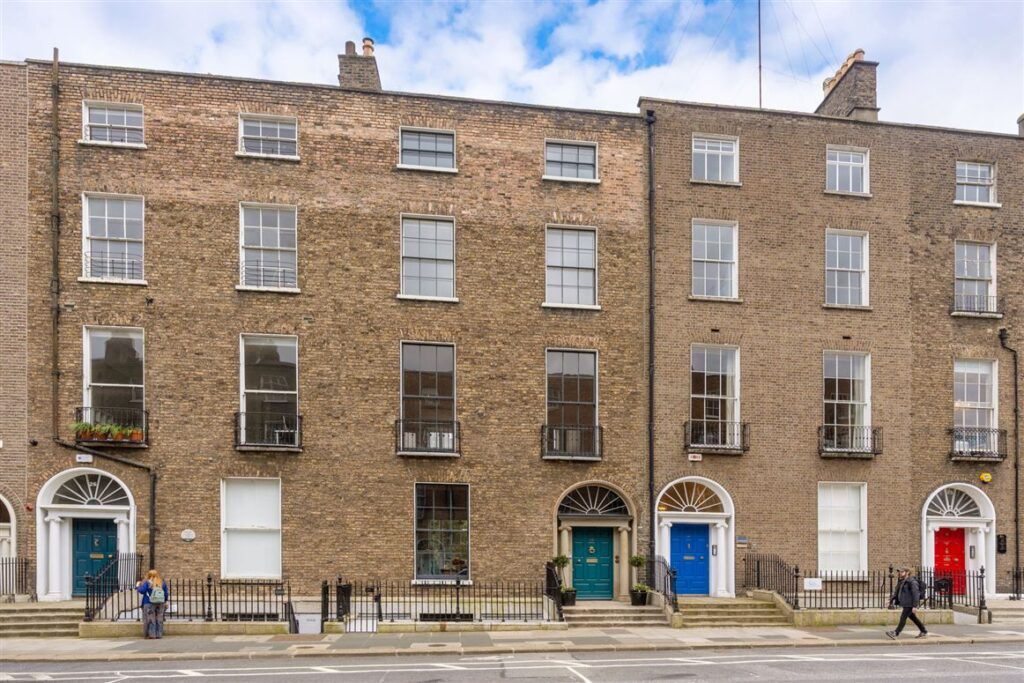
Address: 25 Fitzwilliam Street Upper, Dublin 2, D02 K235
Asking price: €2.75 million
Agent: Sherry FitzGerald Ballsbridge
Set across four floors and extending to 555 square metres, the three-storey over-basement residence has been extensively renovated and upgraded to bring it ever so discreetly into the 21st century by its previous owner.
Conservation architect John McCarthy oversaw all the works.
It is this marriage of historic and contemporary that will appeal to prime buyers.
The fact that it is also a storied home offers its next residents some tales to tell around the dinner table.
And there is a choice of not one, but two dining rooms in which to recount these yarns, if you factor in the rooms as they are laid out by selling agents Sherry FitzGerald, Ballsbridge.
Set in the heart of Dublin's Georgian Quarter, it has multi-pane timber sash windows across its five floors.
Past residents include multiple legal eagles and one former Attorney General, John Gordon.
The next owners of the property were James Augustine Murnaghan and his wife, Alice Davy (Murnaghan).
They moved in around 1922 and were connoisseurs of fine art and antiques, amassing a collection that encompassed over 1,200 pictures by 1973 when the Supreme Court judge Murnaghan, who had also been chairman of the National Gallery of Ireland, died.
Mrs Murnaghan continued to reside in the building surrounded by the works.
In December 1988, the late Martin Cahill, The General, and members of his gang broke into the property.
He reportedly served tea to the owner, the 94-year-old Mrs Murnaghan and her housekeeper, both of whom he held overnight while his accomplices cut about 80 paintings out of their frames. Some of the artworks were recovered in the ensuing years.
Mrs Murnaghan remained in residence until she died in 1999. It was the next owner and the current proprietors who have discreetly contemporarised the property.
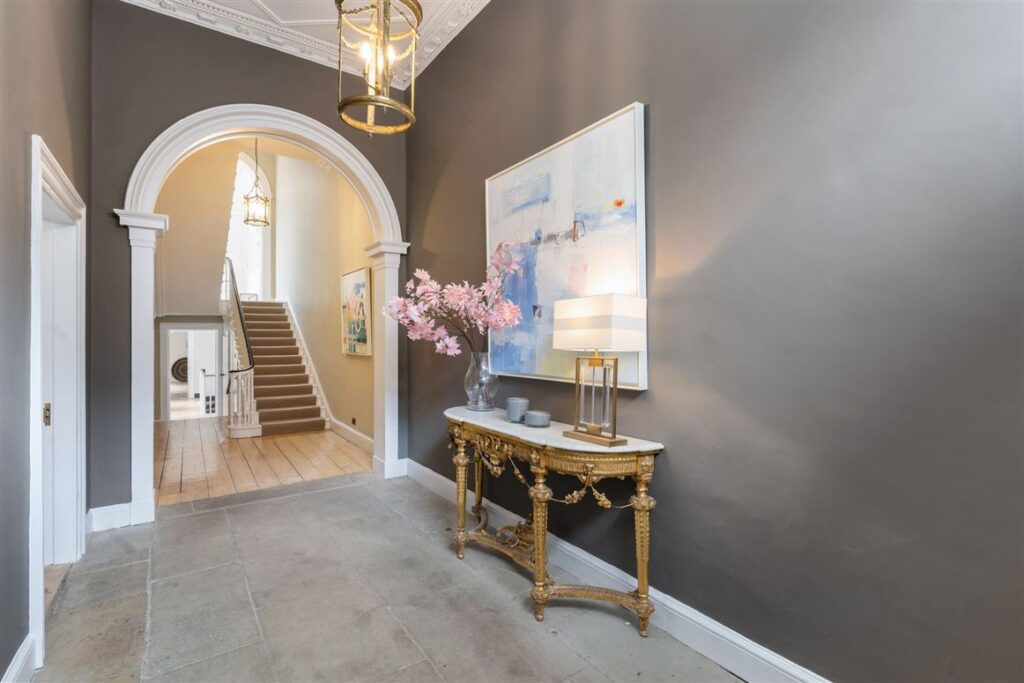
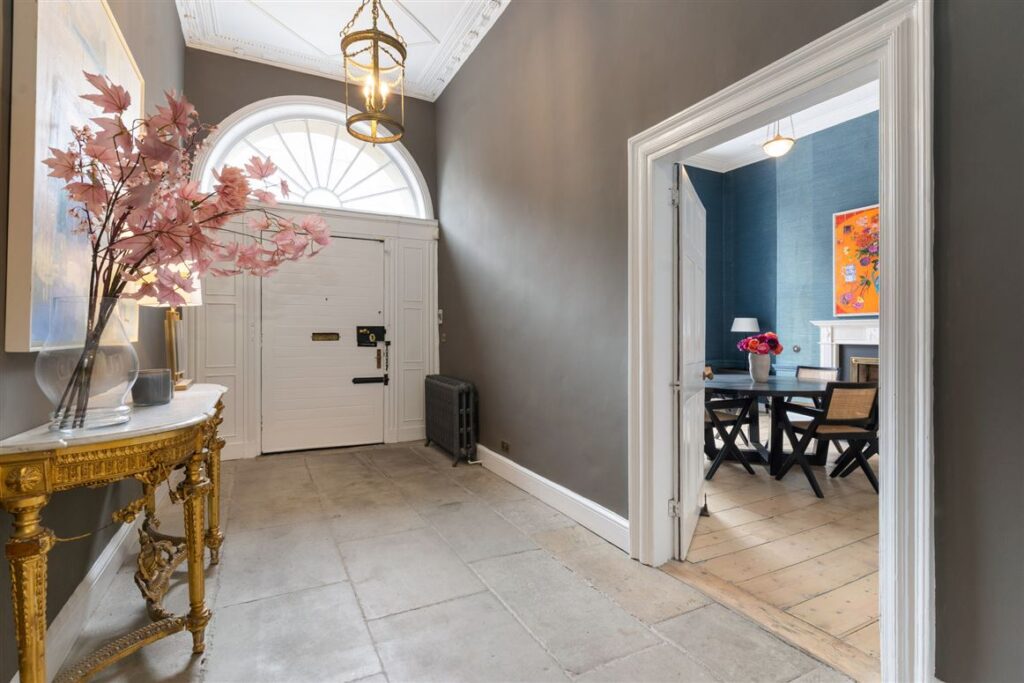
The fanlight front door of this impressive home opens into a spacious hall with a tiled floor.
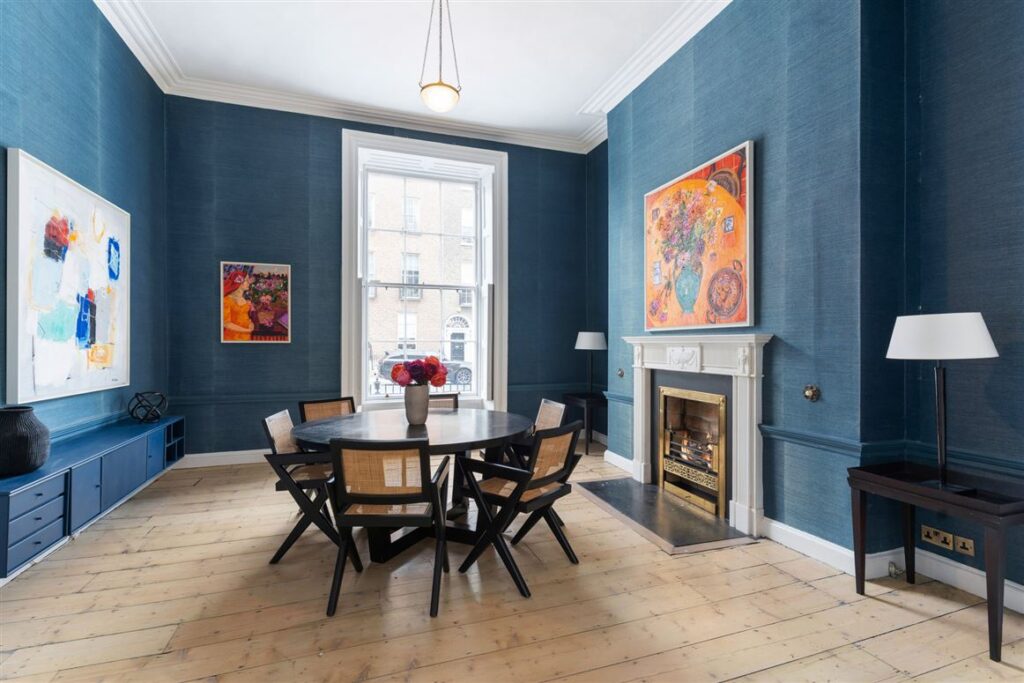
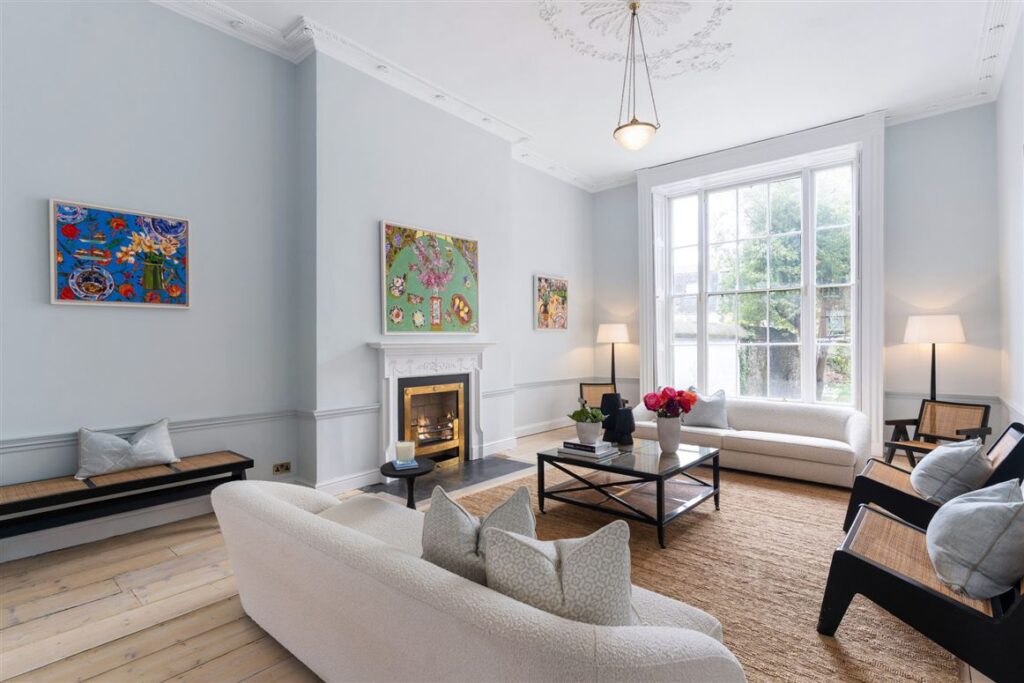
The interconnecting reception rooms here are laid out with a formal dining room at the front, painted a deep teal blue, that looks great at night, and a large lounge overlooking the back, painted a pale French grey.
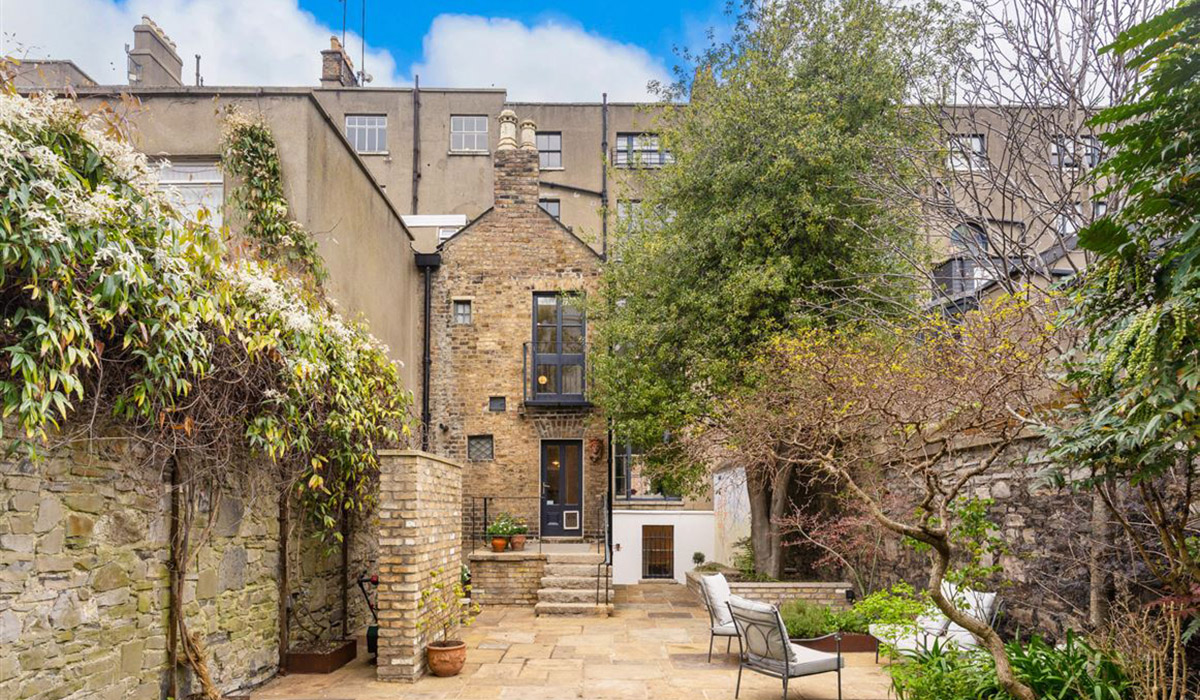
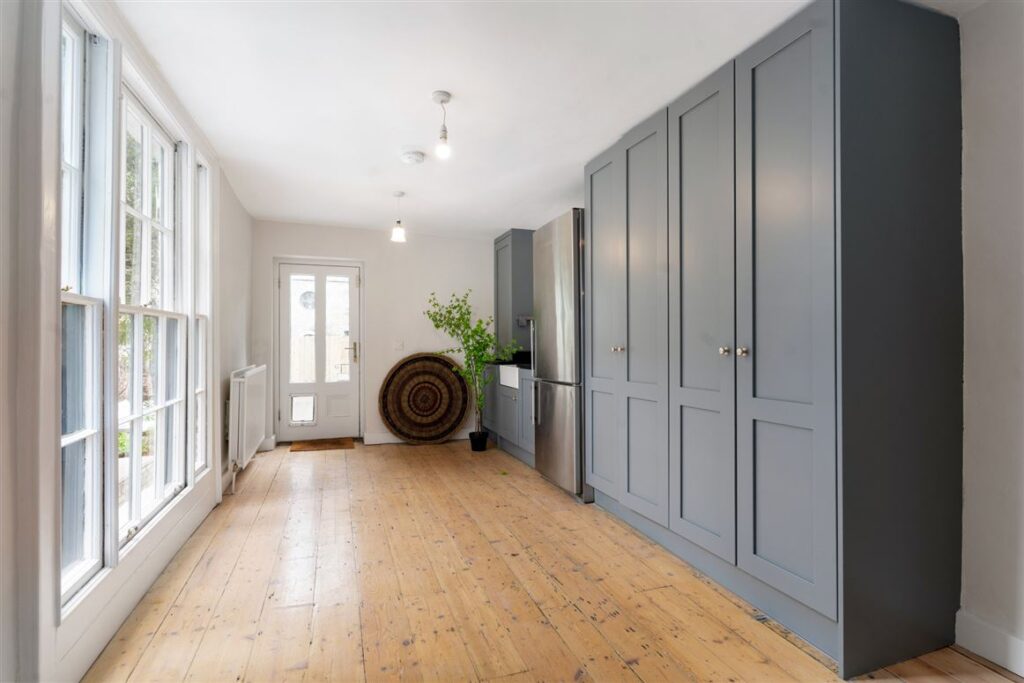
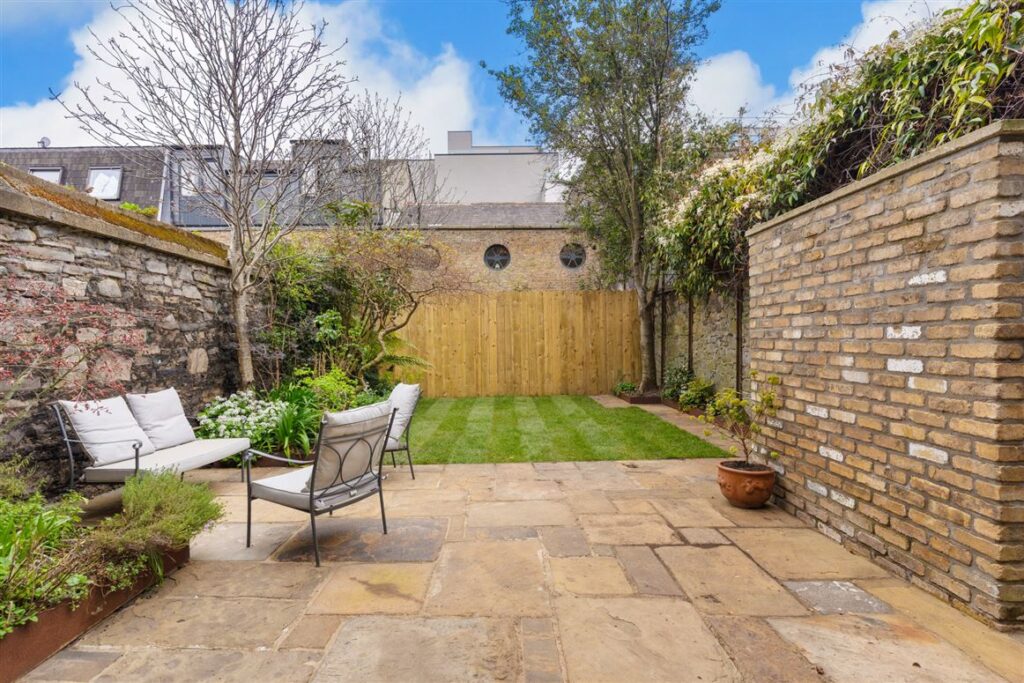
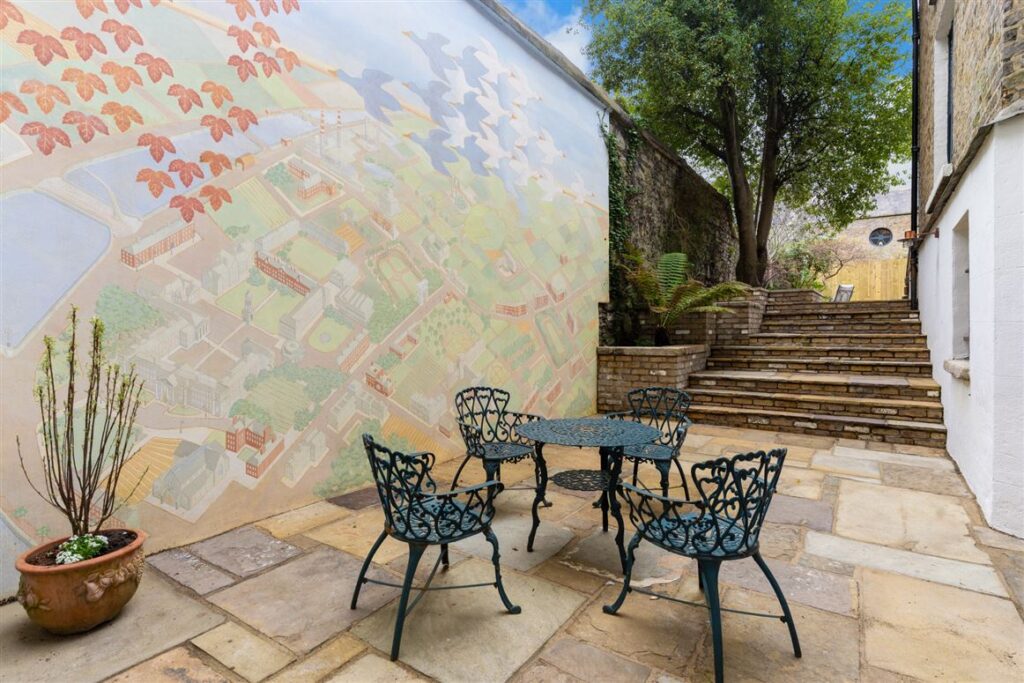
There’s a butler’s kitchen, complete with Belfast sink, in the return where a door opens out to the garden, which is laid out in lawn and has sandstone paving and boarders and steps down to a sunken courtyard.
This is a private oasis of outdoor space in the heart of the capital.
This set-up means you could entertain clients without ever having to disturb family life taking place on the floors above. It gives you an entire floor on which to entertain.
The polished floorboards throughout have been washed in a Scandinavian chic white matte oil that brings out their texture.
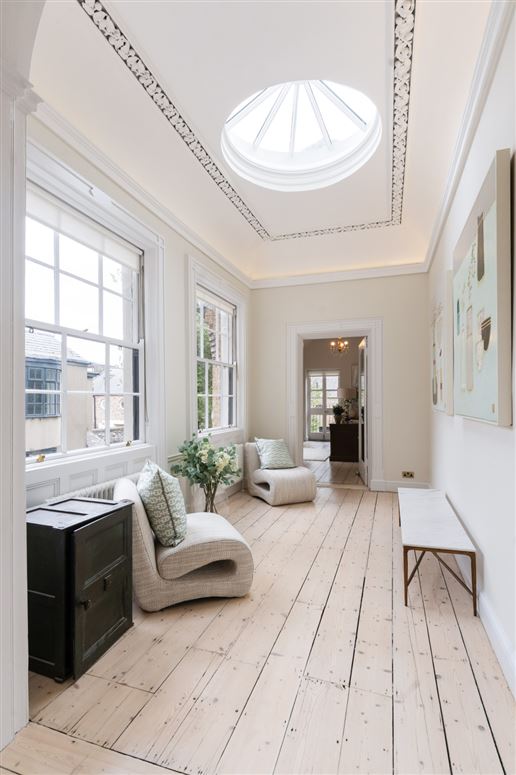
On the return is a light-filled reading room, with a domed rooflight overhead.
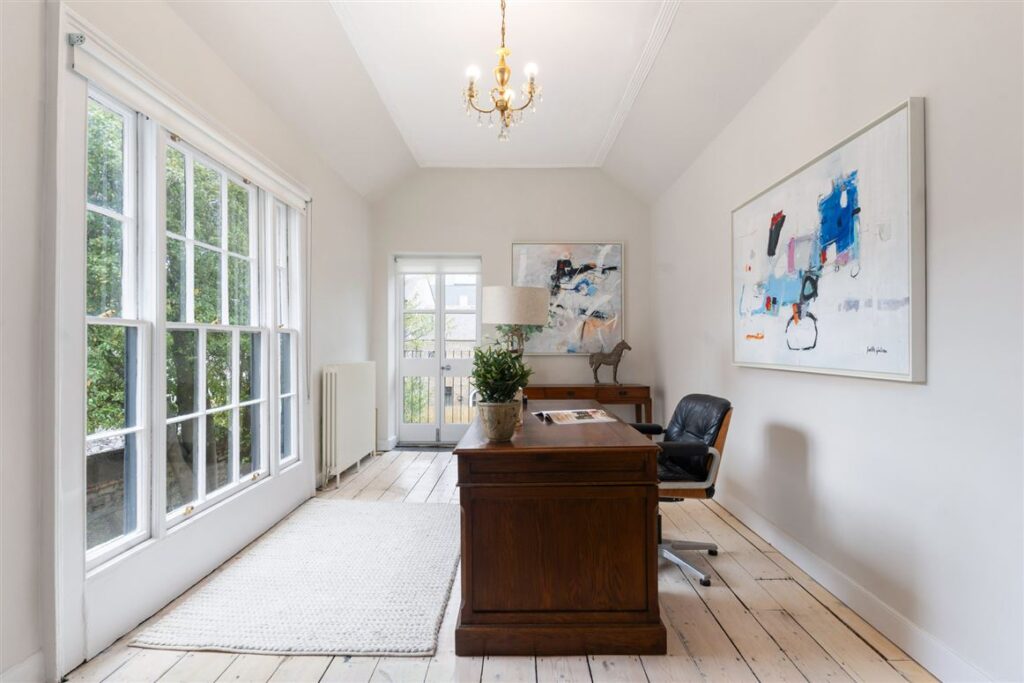
It leads through to a dual aspect study, where double doors open out to a Juliet-style balcony that overlooks the garden.
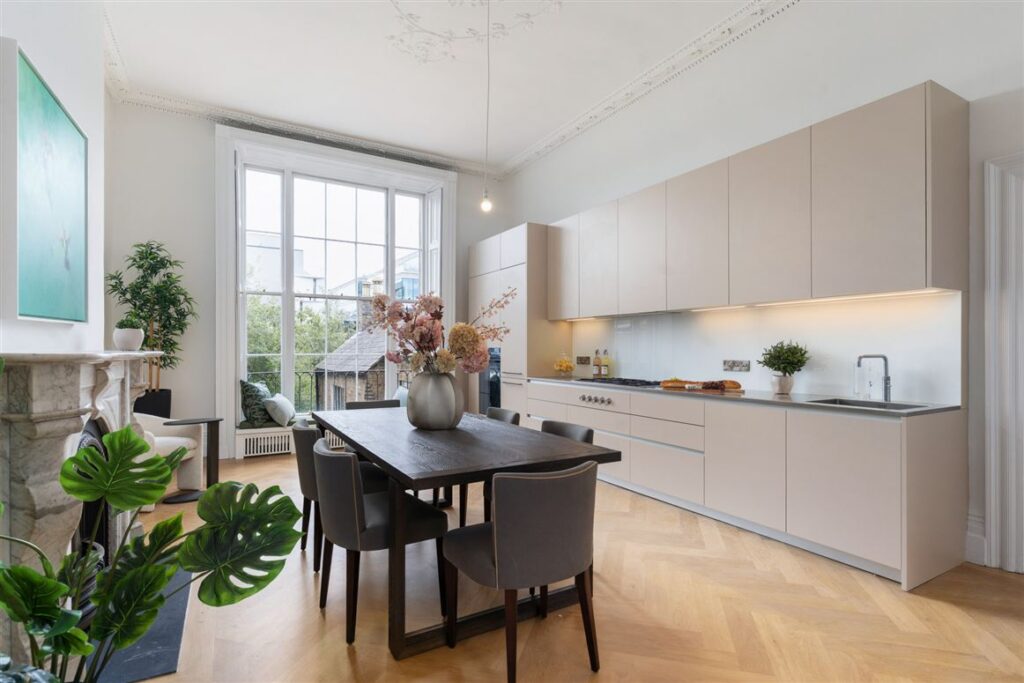
The rooms on the piano nobile, or first floor, are the real scene-stealers.
The kitchen and capriciously spacious drawing room are located at this level, dispensing with the very old Irish notion of keeping the good rooms for special occasions.
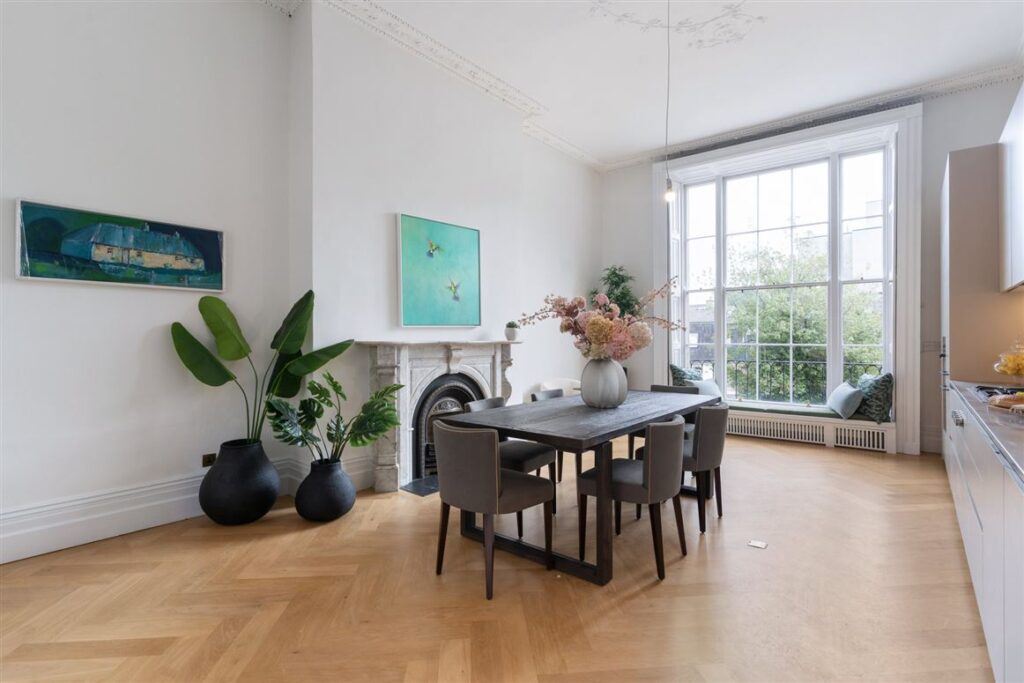
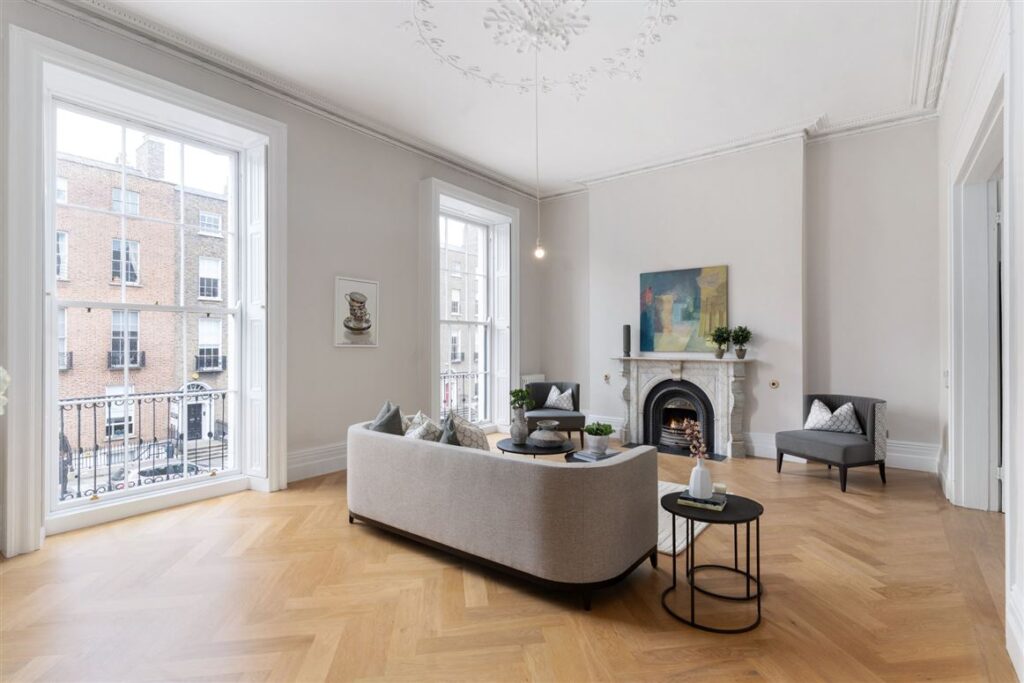
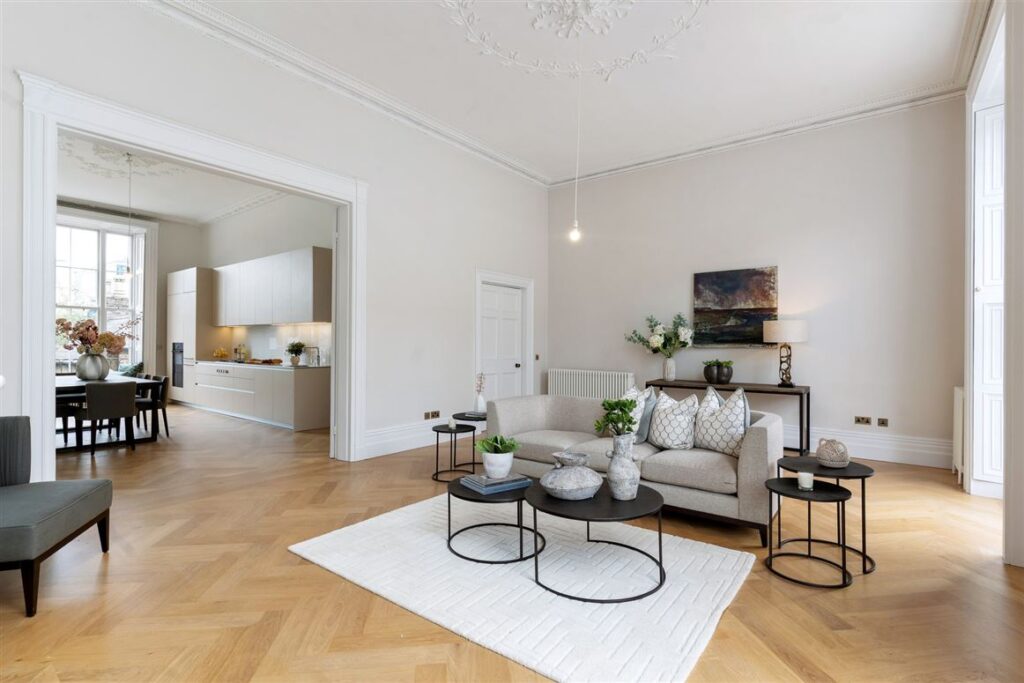
Running the width of the house, the drawing room has a pale parquet floor and minimal furniture, allowing its chimney piece, ceiling cornices and delicate plasterwork to do a lot of the talking.
Interconnecting doors lead through to the eat-in kitchen.
It features contemporary-designed units, Gaggenau appliances, with a window seat built into the south-facing fenestration.
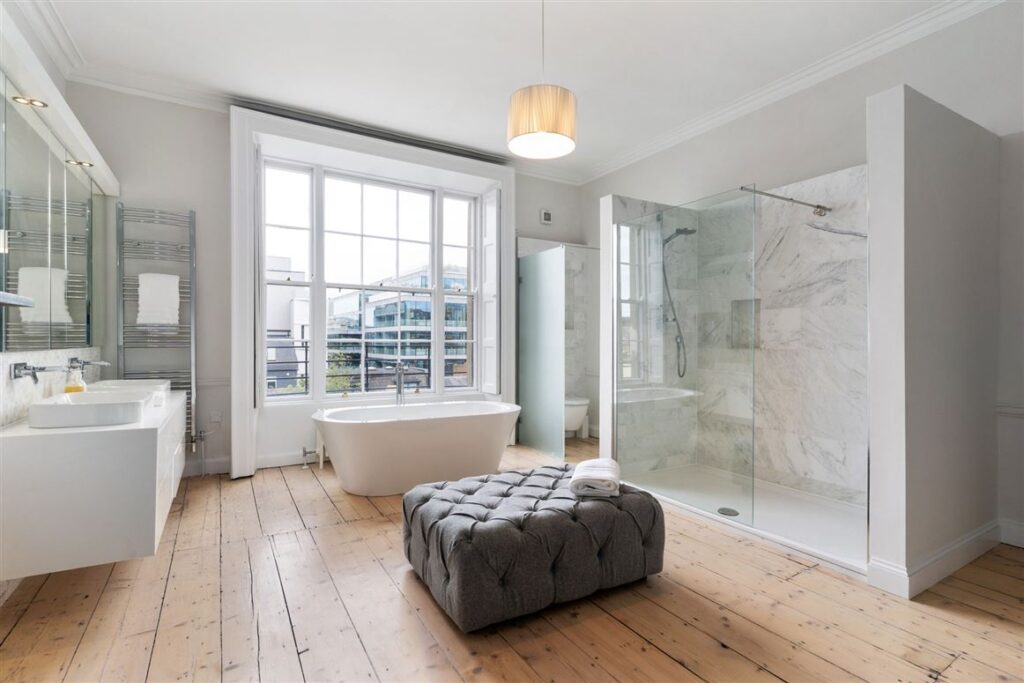
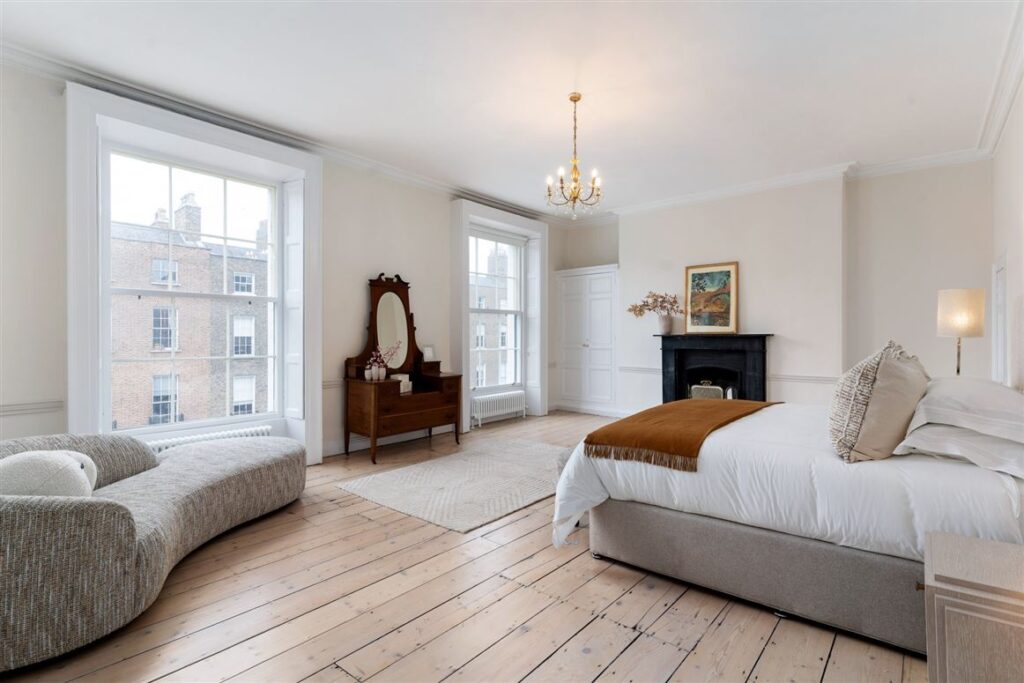
The principal bedroom, an exceptionally balanced bedroom, is at the front, with the bathroom separate.
Luxuriously large with a shower stall big enough for two and a separate bath, having this space separate from the sleeping quarters is extravagant and also practical.
It means you don’t wake your partner if you have to get up and take calls from other parts of the world at ungodly o'clock.
These rooms occupy all of the second floor.
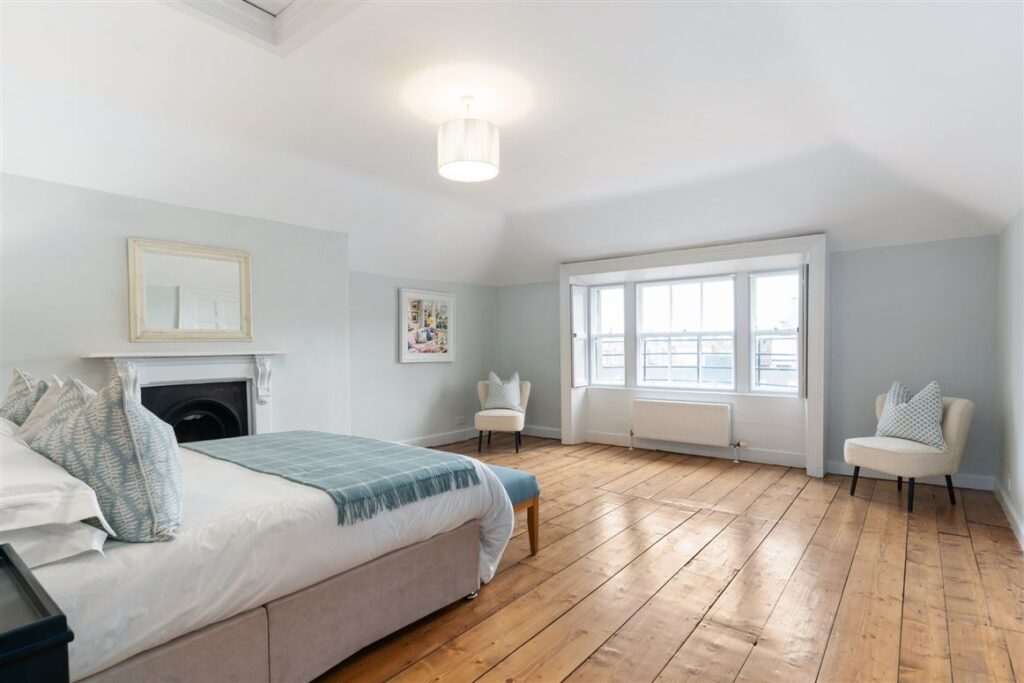
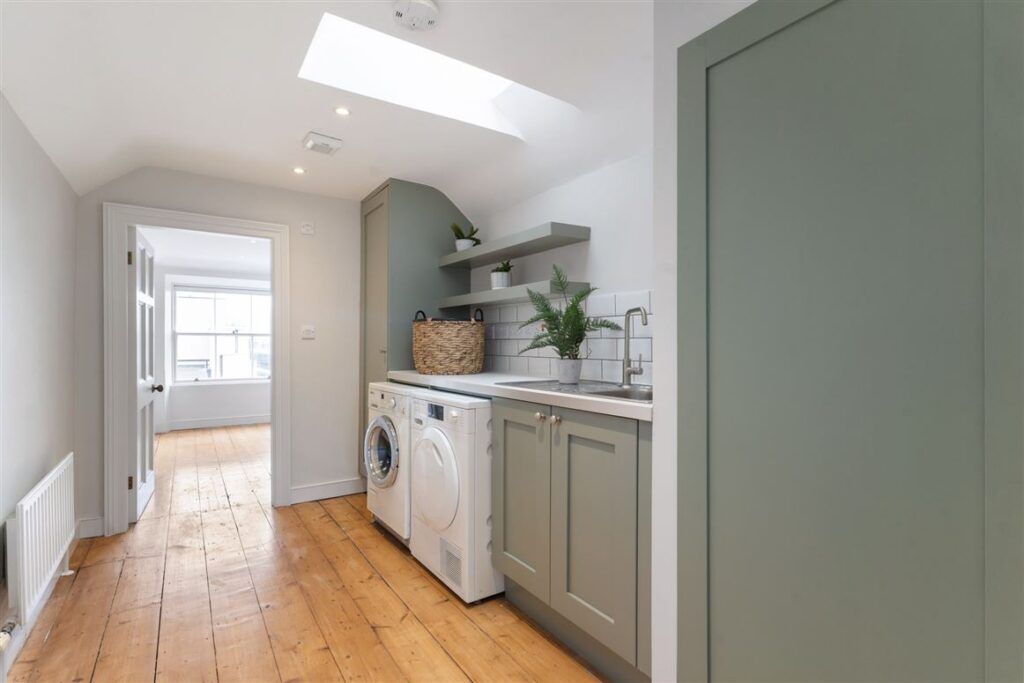
There are three good-sized bedrooms on the third floor, which would have originally been the servants’ quarters, along with laundry and shower rooms.
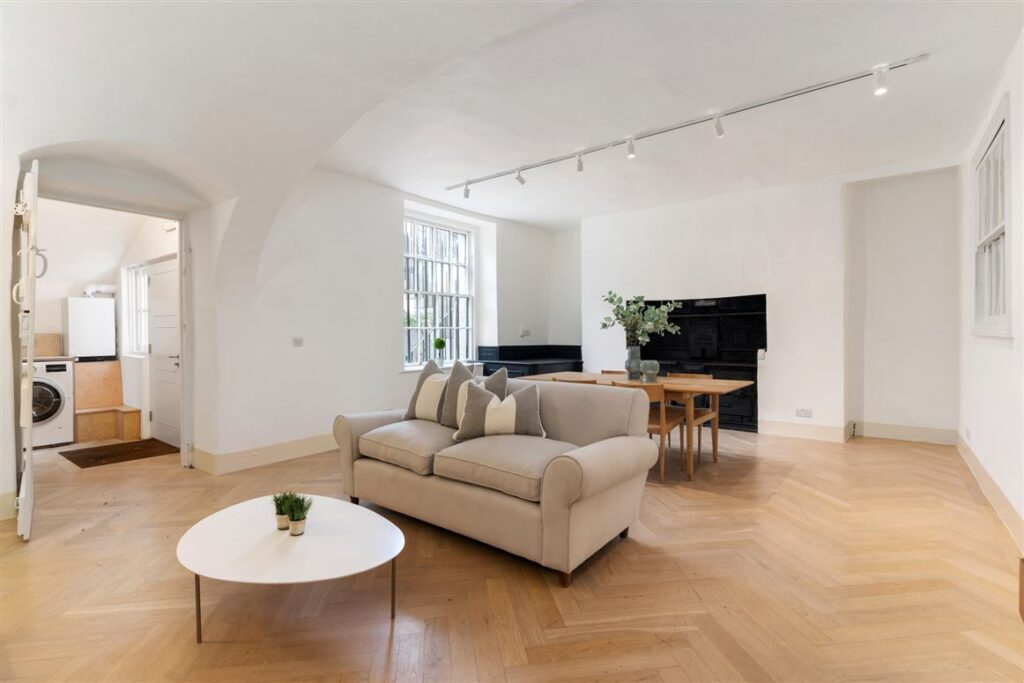
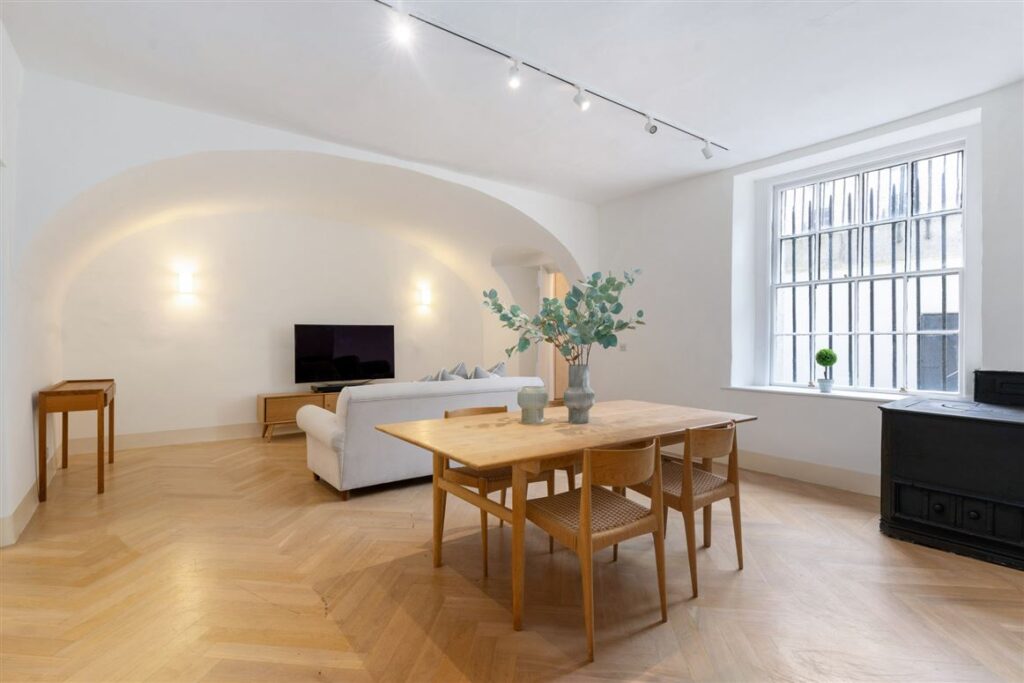
At the basement level, there are two bedrooms along with a kitchen, a wine cellar and a dining cum living room. This floor could be a separate unit or an apartment for family members.
It has its own entrance down a set of steps from the street.
This level opens out to the sunken courtyard, where there is a mural of Dublin painted by Lucretia Moroni, a descendant of Giovanni Battista Moroni, one of the great painters of the Italian Renaissance, whose work hangs in the National Gallery of Ireland.
This is a property that a family can live, work and entertain in, that offers contemporary living within a heritage house.
That combination is rare.
If in any doubt, just try tendering to have the same calibre of work done in the current climate and see what figures you are quoted.
The house last sold in 2015 for €3 million, according to the property price register. This included a mews.
Agents Sherry FitzGerald Ballsbridge are seeking €2.75 million for the townhouse, which is BER-exempt.
The mews is not included in this sale.