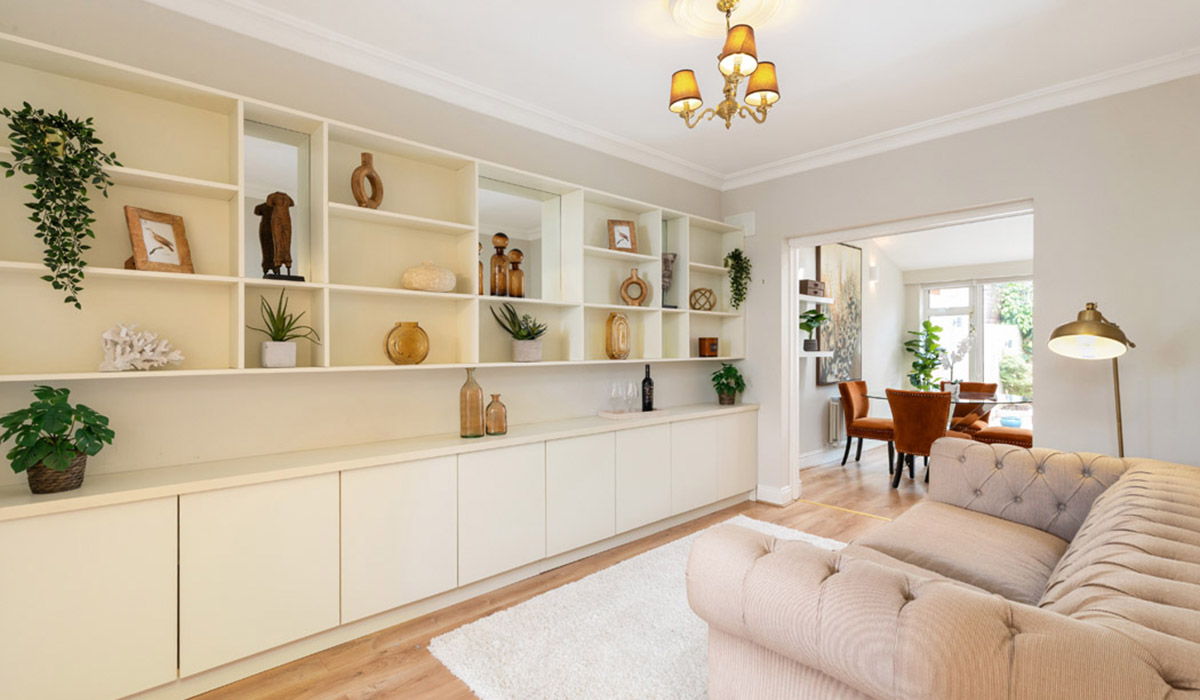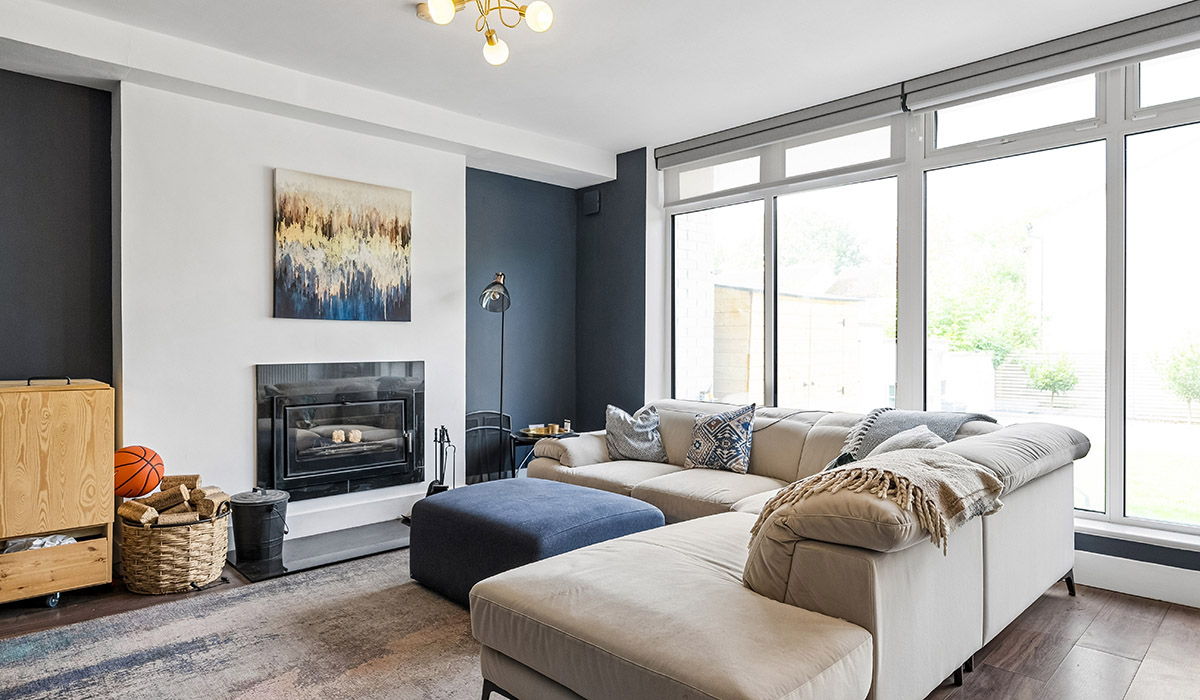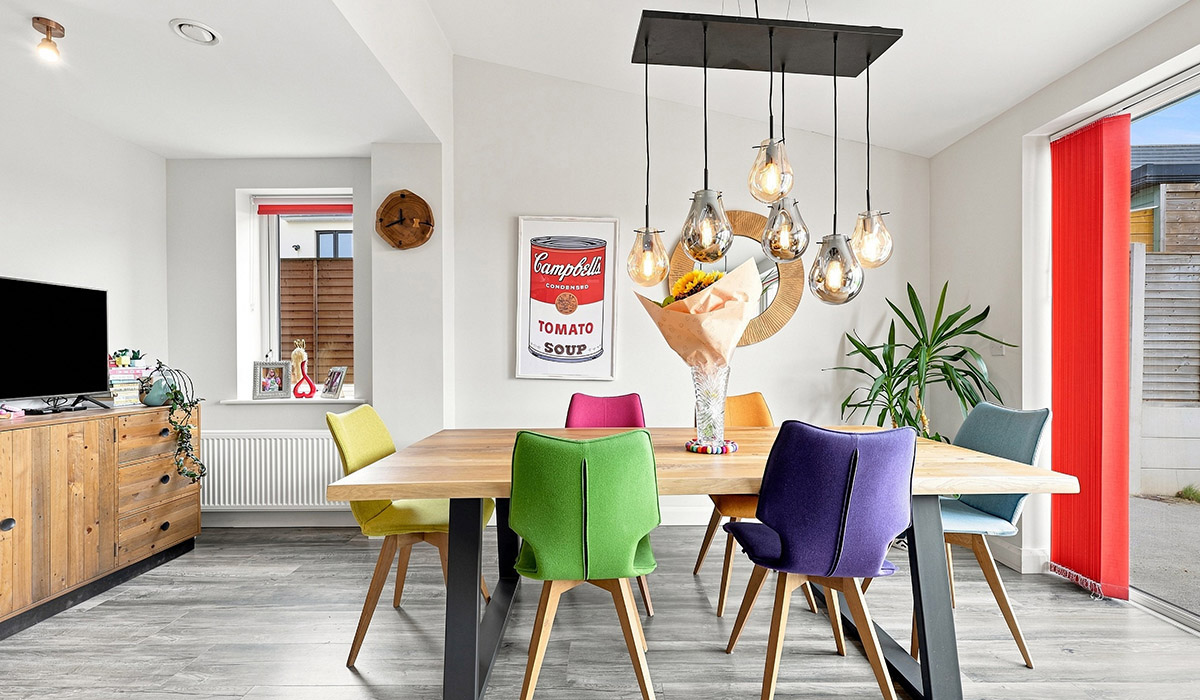
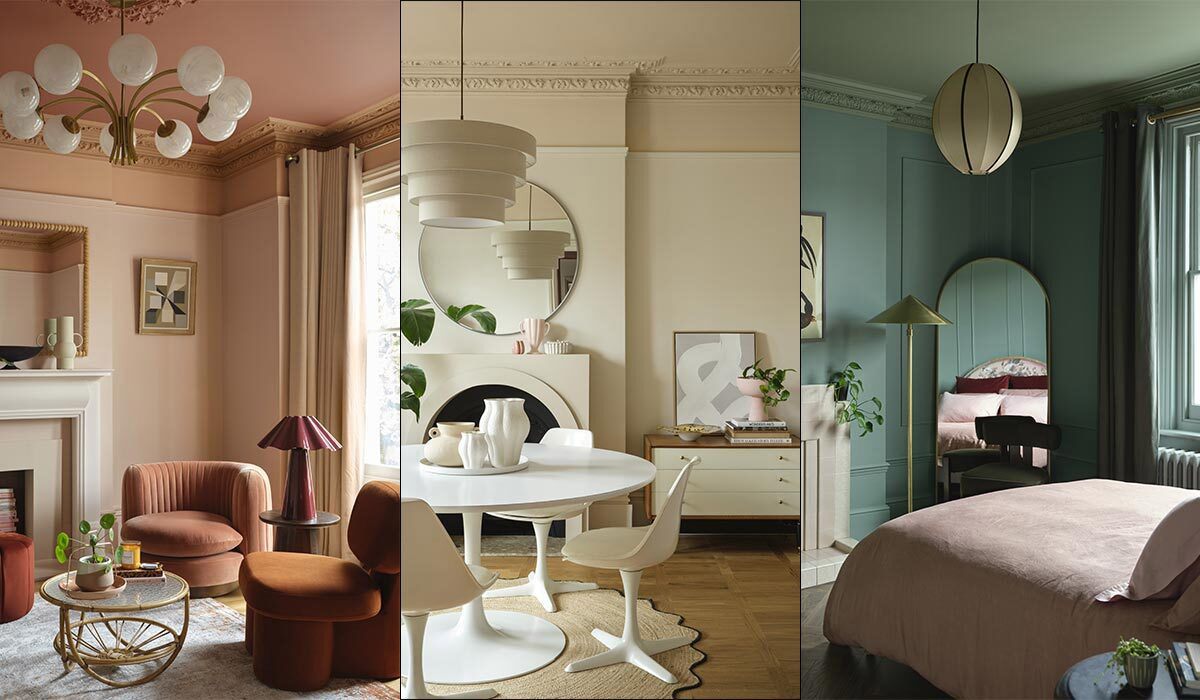
Colour capping is the way to rework the look of a room and create a sense of crowning glory that puts the ceiling centre stage.
With a stretch in the evenings, the additional light, while very welcome, does shine on paintwork that may just be looking a bit drab.
While trends now move faster than the time it takes to scroll through them, let alone execute them in real life, one that has staying power is colour capping.
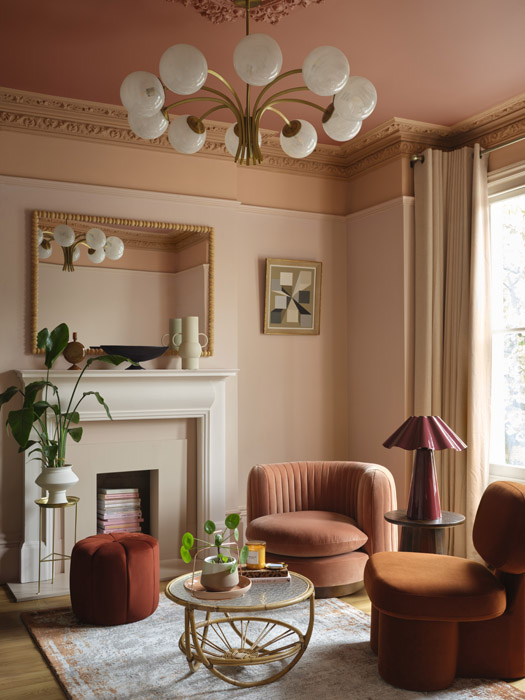
It is relatively easy to execute, adds immediate impact, and, with some prep-work, could reimagine a room in a weekend.
In essence, it’s about painting the ceiling in a different colour to the walls to draw attention to it. This may just be a tonal shade darker, known as colour scaling or could be a contrasting colour to the walls and woodwork, partial colour drenching.
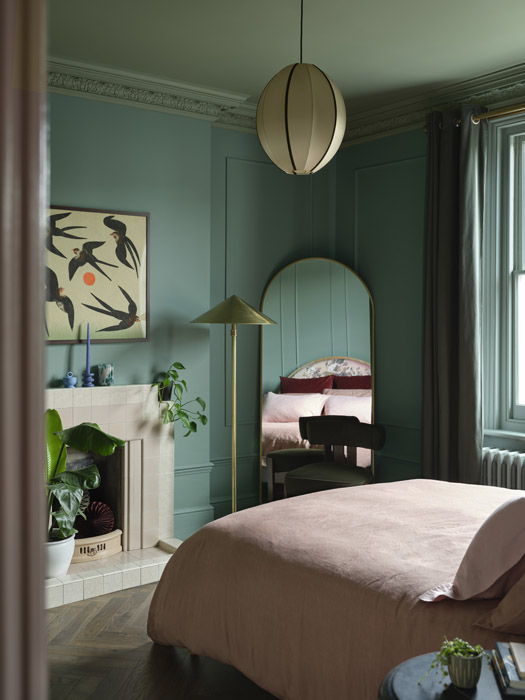
It is simple, effective and works really well in period properties, where you may have loftier ceiling heights and features such as dado or picture rails and possible waisncotting or more recently installed panelling to use these as natural punctuation points to stagger the depth of the paint tone at each interval.
It enriches the look and makes it appear more put-together. So, if you fancy a change, one that can be done over a weekend, consider one of these combinations below.
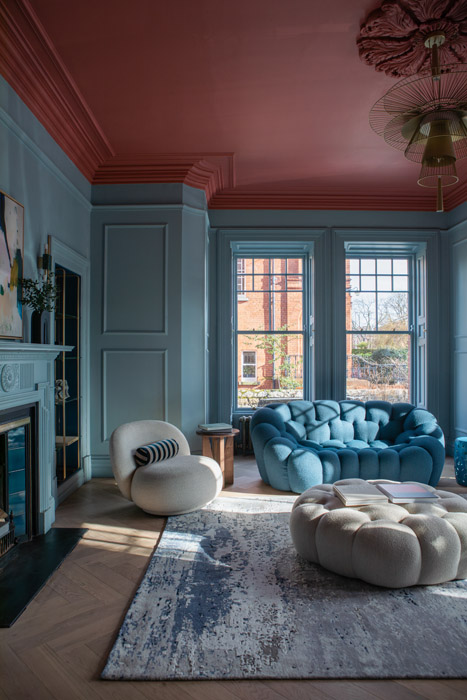
Rich contrast
Pic: Ruth Maria
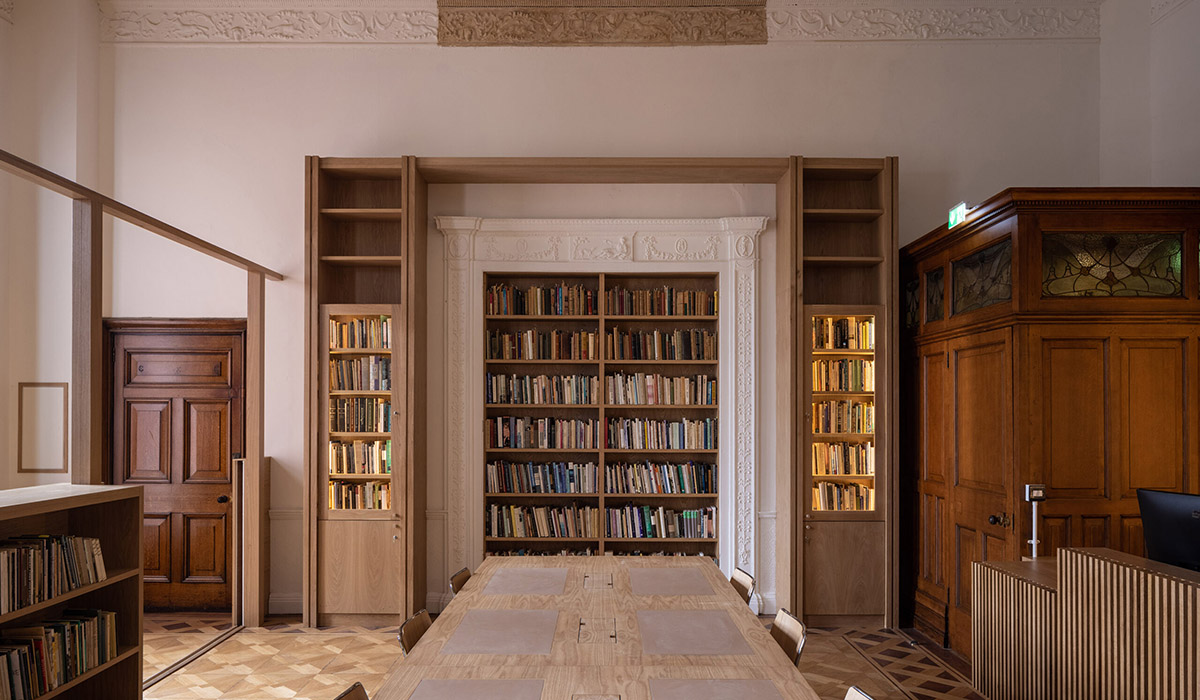
Dublin interior design studio Think Contemporary’s period property reimagining turns the usual way of working contrast on its head. It’s dark up top with the ceiling painted in Dulux Heritage Red Ochre while the walls wear a standard Dulux colour, an on-trend ice blue. If you’re going to a paint shop, the correct reference for it is 83BG 55/097, according to Joanne Kelly, one half of the style duo.
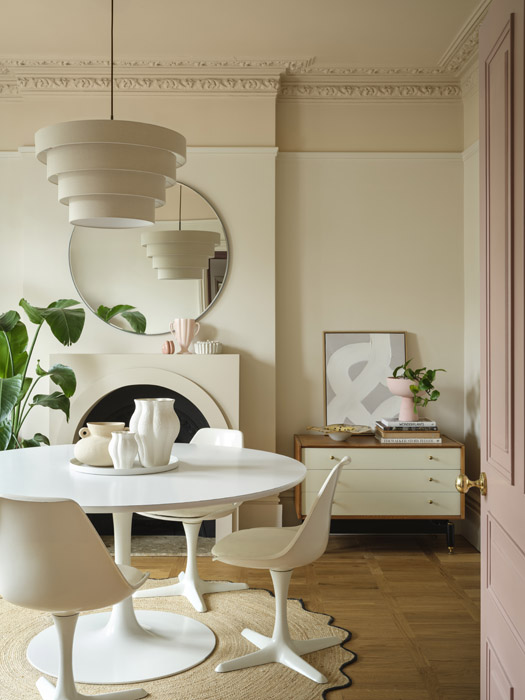
Pastel power play in an eat-in kitchen.
A very simple way to create this look is to use a suite of tonal shades to create the effect, starting with the palest version of the colour on the wall,s deepening the tone as you reach either a picture rail or coving. American paint company Benjamin Moore showcases various pastels in the lead image, but in line with a return to neutrals and as a way to test the waters at home to see how you feel about it, features Bone White on the walls, with Yellow Squash overhead. The American company uses gallons, pints and sells its product in the US customary measurement system in gallons, quarts and pints, which is different to the British imperial system. Prices start from about €25 for a quart, about 0.94 litres, from Cork-based The Paint Store.
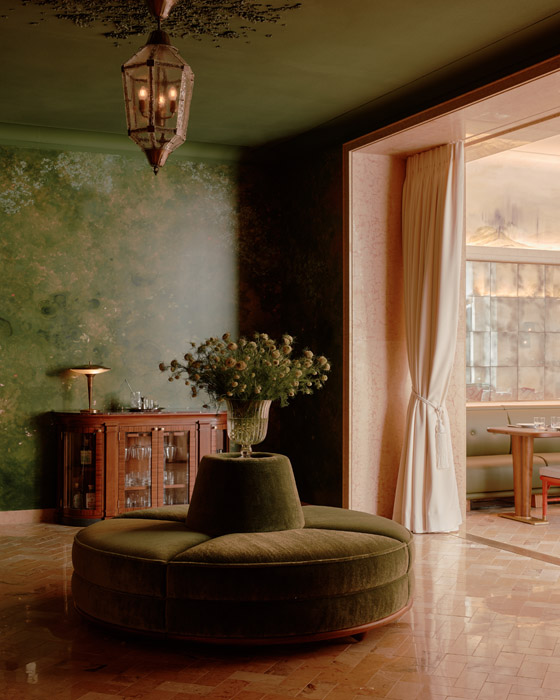
Serene greens sitting area
Pic credit: William Jess Laird
London-based Kenmare design talent Bryan O’Sullivan Studio’s work on Westmoreland, the first café within The Frick Collection museum in New York, saw the firm make the 2026 Elle Decoration A-List. Above the moss green mohair upholstered borne settee, where a Murano glass pendant in the manner of Archimede Seguso and custom decorative plaster rose draws the eye up to the deep sepia-green colour crowning the ceiling and cornicing. Try Farrow & Ball’s Dibber, a new down-to-earth shade launched last year. In its dead flat matt emulsion, it costs €105 for 2.5 litres.
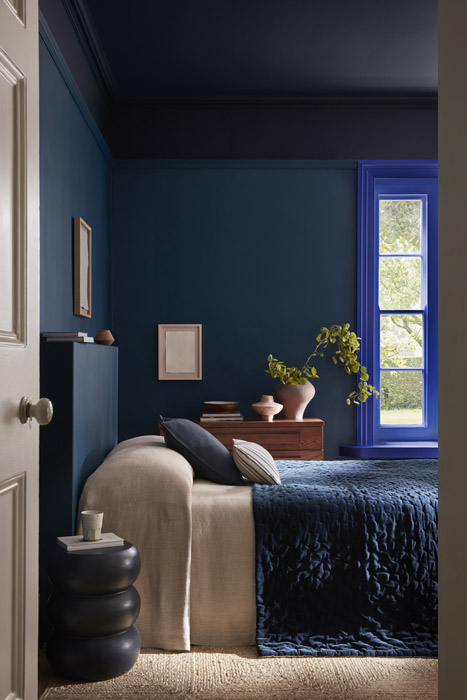
Moody blues in the bedroom
This double drench effect here in a bedroom envelopes the sleeping space in midnight blues by Little Greene. Royal Navy coats the walls with Dock blue above the dado rail and on the ceiling, and a chink of light around the window. Smalt, a Yves Klein blue, frames the window surround. A litre of absolute matt emulsion costs €38.
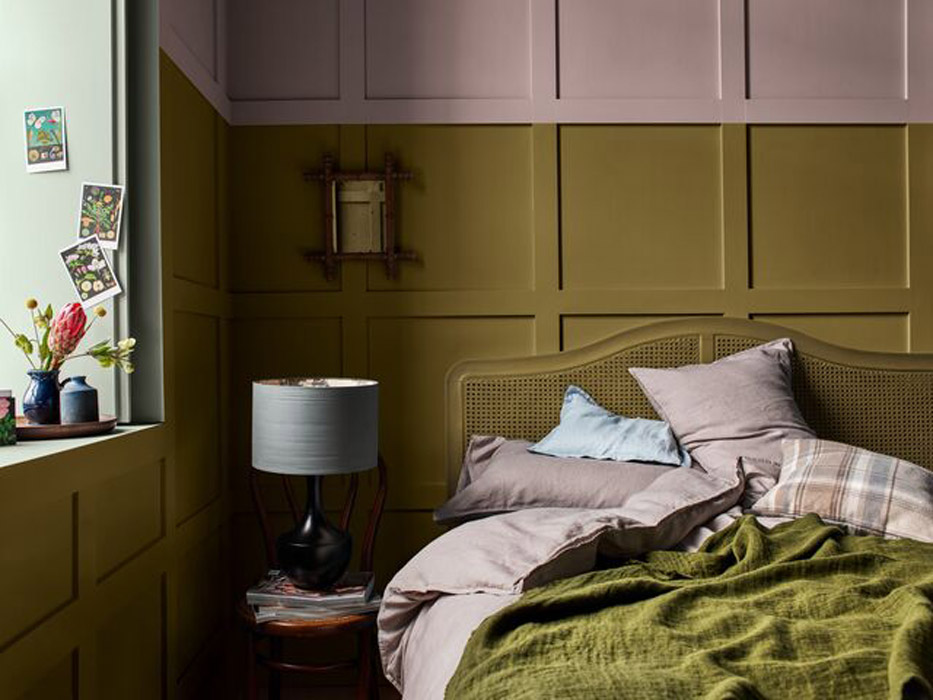
Layer colour onto texture
Yellow greens are the shades that are trending as colour temperatures recalibrate. In this Dulux set-up, the colours are blocked out using full-height shaker-style panelling to add dramatic effect and texture to the wall. But while the panelling runs all the way to the ceiling, the colour delineation is set at picture rail, also called dado rail level. A soft marshmallow pink, Dulux Archive Papers, covers the ceiling and the walls down to the point where a dado rail would have been in a more typical period room and then the soft pastel is contrasted with the chartreuse green, Dulux Burnished Brass, both €36.50 for a 2.5 litre tin in vinyl matt emulsion. The panelling is made using MDF battens to create a grid of squares or rectangles across the wall